
Eco-Friendly Landscaping Practices Explained
By Elena Whitmore / Sep 19
Did you know that the health of a tree is predominantly determined by its root system? Understanding tree roots is not just a matter of curiosity; it's essential for maintaining vibrant landscapes. At Rooted Edge, we prioritize root health to ensure trees can thrive even in challenging environments. Let's dive into the key insights that can transform how you care for trees.
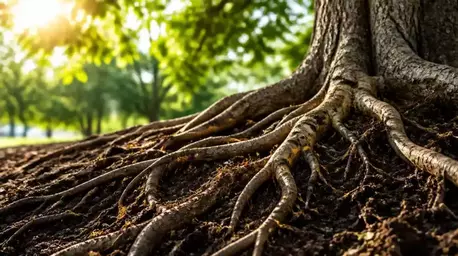
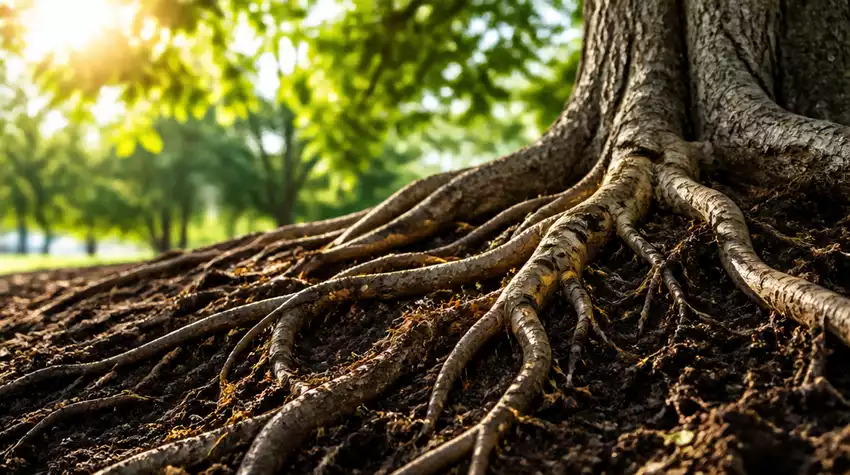
Tree roots play a crucial role in the health and stability of trees. Below is a visual representation of different types of roots and their functions, helping to clarify their importance in tree care.
These primary roots grow straight down into the ground, anchoring the tree and accessing deeper water sources.
These roots spread horizontally, allowing the tree to absorb nutrients and water from a wider area.
These smaller roots absorb water and nutrients, typically growing near the soil surface.
Fungi that form symbiotic relationships with roots, enhancing nutrient uptake for improved tree health.
Understanding tree root systems is essential for anyone looking to maintain healthy trees in their landscape. At Rooted Edge, I often emphasize the significance of roots as they directly impact the overall health and stability of trees. By delving into how roots function, we can improve our care strategies and create thriving outdoor environments. For comprehensive tree care solutions, consider exploring our tree maintenance services.
Tree root systems are more than just underground structures; they are complex networks that support trees in various ways. To grasp how to care for them better, it's crucial to know about the different types of roots and their roles. Each tree species has a unique root system, and understanding this variance can aid in tailored care.
Tree roots can be categorized into several types, each serving distinct functions. The main types include:
By recognizing these structures, you can appreciate how they interact with the soil and the ecosystem, leading to healthier trees!
The anatomy of tree roots plays a vital role in their function. Roots consist of various parts, including:
Understanding these components helps us recognize how to nurture and protect them effectively. For more insights into how roots impact various structures, check out our article on tree roots effects on patios.
Feeder roots are critical for a tree's survival. They are responsible for absorbing water and essential nutrients. Without these roots, trees can struggle to thrive, especially in challenging environmental conditions. For instance, healthy feeder roots can:
At Rooted Edge, I always remind clients that a well-cared-for root system lays the foundation for vibrant, resilient trees.
Understanding how tree roots grow can significantly influence our care practices. Roots develop in response to various factors, including water availability and soil conditions. By diving into these principles, we can support healthy root growth and ensure our trees reach their full potential.
Roots exhibit distinct growth patterns, and being aware of these can help in planning landscaping and care. Trees often develop:
By understanding these patterns, we can avoid damaging them during landscaping activities!
The type of soil plays a significant role in how roots develop. Different soils can affect root spread, depth, and overall health. For example:
Choosing the right plant for the soil type can lead to thriving trees that harmoniously fit into the landscape.
Various factors influence how deep roots grow. Adequate moisture, nutrient availability, and soil structure all contribute to root depth. It's important to monitor these conditions to ensure:
Incorporating these considerations into care strategies can lead to healthier trees and a more robust landscape.
While trees are resilient, they face numerous threats that can compromise root health. Recognizing these risks is essential for effective care. At Rooted Edge, I often see how urban environments can create unique challenges that affect our trees.
Identifying root damage early can prevent further issues. Common symptoms of stressed roots include:
If you notice these signs, it may be time to assess the root system and implement care strategies. For further reading on this topic, explore our guide on signs your tree is declining.
Urbanization poses significant threats to tree roots. Paving and construction activities can lead to:
Addressing these challenges requires careful planning and consideration to protect our trees.
Root diseases can wreak havoc on tree health. Fungi, bacteria, and nematodes can attack roots, leading to decay and decline. Environmental stressors like drought or poor soil quality also contribute to root problems. To combat these issues, proactive measures include:
By staying vigilant, we can safeguard our trees against these threats and ensure their longevity.
Now that we understand tree root systems and their challenges, let’s explore effective care strategies. Prioritizing root health is essential for thriving trees and landscapes. With the right approach, we can enhance our trees' vitality and resilience.
Proper watering is vital for root health. Deep watering allows roots to grow deeper and access moisture, enabling trees to withstand drought better. Consider these techniques:
By adopting these practices, you contribute to stronger, healthier root systems!
In addition to deep watering, consider hydration techniques that support root health. These can include:
These strategies will enhance root hydration and promote robust growth.
Mulching serves multiple purposes in root care. It protects roots from extreme temperatures, retains moisture, and suppresses weeds. To mulch effectively, follow these tips:
When applied correctly, mulch can be a game-changer for tree root health! Discover more about mulching trees and its key benefits for healthy landscapes.
Fertilization can significantly enhance root health by ensuring trees receive essential nutrients. Consider these effective techniques:
By adopting a strategic fertilization plan, you can support robust root systems and vibrant trees.
Soil compaction can be detrimental to root growth. To prevent this issue, consider these best practices:
By implementing these strategies, you can maintain healthier soil conditions for your tree roots.
Aeration plays a crucial role in maintaining healthy roots. It allows air, water, and nutrients to penetrate the soil. To ensure optimal aeration:
Attention to aeration will enhance root health and tree vitality!
As seasons change, so do the needs of tree roots. Tailoring care strategies according to seasonal and climate variations is essential for optimal growth. At Rooted Edge, I advocate for a proactive approach to seasonal care.
Different soil types require unique care approaches. Here’s how to adjust care based on soil composition:
Understanding your soil type is key to effective root care!
Establishing a seasonal care schedule helps ensure trees receive consistent attention. Here’s a suggested schedule:
Sticking to a schedule can lead to healthier trees throughout the year!
Visual aids can enhance our understanding of tree root systems. Diagrams and comparisons help clarify how roots function in relation to the overall tree structure. Utilizing these visuals can deepen our appreciation for the interconnectedness of roots and trees.
Root zone diagrams illustrate the relationship between a tree's canopy and its root system. The dripline, where rainwater drips off the leaves, is typically where the majority of roots extend. Recognizing this area can help us:
By visualizing root zones, we can cultivate healthier trees!
Comparing canopy spread to root systems highlights their symbiotic relationship. Generally, root systems match or exceed the canopy width, allowing for balanced growth. This understanding aids in:
Such comparisons emphasize the importance of providing adequate space for both roots and canopy!
Root mapping and observational techniques can reveal valuable insights into root health. Techniques include:
Implementing these techniques can provide a clearer picture of root health and inform care strategies.
As we explore tree root systems, questions often arise regarding their care. Addressing common concerns can empower homeowners and professionals alike. Here are some frequently asked questions:
Healthy tree roots are indicated by:
Recognizing these signs can assure us that our trees are thriving!
To safeguard roots during construction:
Planning ahead can minimize the impact on your trees!
Mycorrhizal fungi form beneficial partnerships with tree roots, leading to:
These fungi play a vital role in creating healthy, thriving root systems!
Did you know? Regularly checking the health of your tree roots can significantly improve their resilience against environmental stressors. Consider conducting an annual root inspection to assess soil conditions, moisture levels, and any signs of disease or damage. This proactive approach will help you implement timely care strategies and maintain vibrant trees!
Understanding tree root systems is fundamental for anyone who cares about the health of their trees. As I’ve learned over the years at Rooted Edge, a well-cared-for root system is like the backbone of a healthy tree. It supports not just the growth of the tree itself but also contributes to the overall beauty and sustainability of your outdoor space.
By grasping the intricacies of tree roots, you can make informed decisions that will positively impact your landscaping. Remember, each tree species has unique root characteristics, so tailoring your care approach to their specific needs is key. Here are some best practices to keep in mind:
As I reflect on my journey in arboriculture, it becomes clear that the roots of trees are often overlooked. However, they are essential in anchoring trees, absorbing water, and obtaining nutrients. At Rooted Edge, I emphasize that understanding root systems allows us to create landscapes that thrive sustainably.
When we prioritize root health, we can enjoy the many benefits trees provide, such as shade, beauty, and improved air quality. Here’s why it matters:
Now that you have a foundational understanding of tree root systems, it’s time to put this knowledge into action! At Rooted Edge, I believe that every homeowner can play a part in nurturing their trees. Start with small steps and gradually incorporate best practices into your routine.
Here’s how you can begin enhancing tree root care in your landscape:
Together, we can create thriving outdoor spaces that honor the beauty and importance of trees. Let’s embrace the journey of tree root care, ensuring our landscapes flourish for years to come! For more practical advice on maintaining healthy trees, consider our tips for sustainable tree care for homeowners.
Here is a quick recap of the important points discussed in the article:
By Elena Whitmore / Sep 19
By Elena Whitmore / Sep 12
By Elena Whitmore / Sep 03