Eco-Friendly Landscaping Practices Explained
By Elena Whitmore / Sep 19
Urban trees do more than beautify our cities; they are vital to our ecosystem and our well-being. Have you ever considered how a single tree can significantly enhance air quality, reduce noise, and even increase property values? Let’s delve into the essential lessons about urban tree health that every city dweller should know.
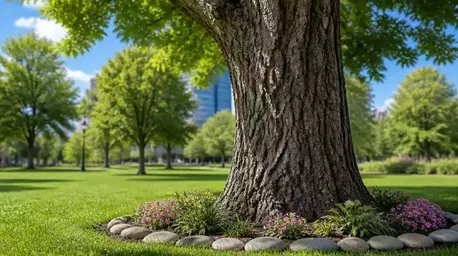
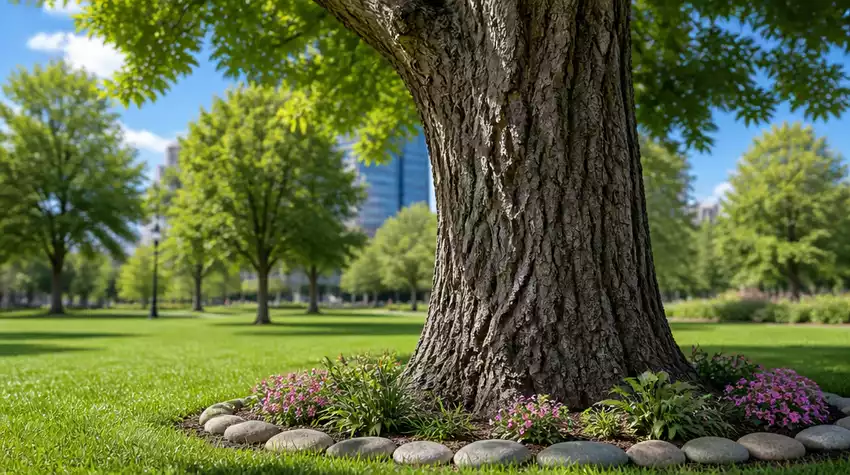
Urban trees play a vital role in enhancing environmental health and community well-being. Below are the key benefits illustrated in a visually engaging format. To learn more about how trees contribute to aesthetically pleasing and functional urban environments, explore our insights on designing landscapes with trees.
Trees filter harmful pollutants from the air, contributing to cleaner urban environments.
Providing shade, trees help lower urban temperatures, mitigating heat island effects.
Trees support diverse wildlife, contributing to urban biodiversity.
Well-maintained landscapes can significantly boost real estate prices.
Trees provide recreational spaces that promote relaxation and mental health.
Healthy trees improve urban ecosystems and support biodiversity.
Urban trees are more than just beautiful additions to our landscapes; they play a crucial role in the overall health of our environment. They provide shade, improve air quality, and support biodiversity. As an arborist, I’ve seen firsthand how trees can influence our urban spaces, making them not just functional, but also vibrant and inviting.
When we talk about urban tree health, we’re not just focusing on the trees themselves. Instead, we consider the intricate relationships between these trees, the soil they grow in, and the communities they serve. By understanding these connections, we can make informed decisions that enhance both tree vitality and urban livability. At Rooted Edge, we believe fostering this understanding is key to creating sustainable outdoor environments.
Urban trees serve many important functions that benefit our cities and their inhabitants. For starters, they help to clean the air by absorbing pollutants and releasing oxygen. This is vital in bustling cities where air quality can often be compromised. Trees also reduce noise pollution, creating a more peaceful atmosphere for residents.
In my experience, urban trees are essential in mitigating heat island effects, as they cool the environment through shade and evapotranspiration. This not only enhances the comfort of our outdoor spaces but also reduces energy costs for cooling buildings! To ensure your trees are effectively providing these benefits, regular tree maintenance services are crucial.
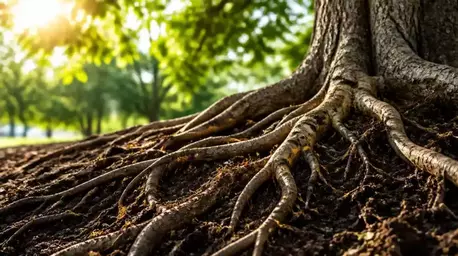
Maintaining tree health is crucial, especially in urban settings where trees face numerous stressors. Urban trees often contend with limited space for root growth, soil compaction, and pollution, which can all hinder their development. It’s essential to address these challenges to ensure the longevity and stability of our trees.
Moreover, healthy trees contribute significantly to the economic and social fabric of our communities. They enhance property values, offer recreational spaces, and promote mental well-being. By investing in tree care, we’re not just preserving nature; we're nurturing the very environment that enriches our lives.
At Rooted Edge, our commitment to promoting tree health goes hand-in-hand with our mission to create sustainable landscapes. The relationship between tree care and urban design is one I’m passionate about, and I look forward to sharing strategies that can help preserve this balance. For more specific guidance on how to care for trees in challenging urban conditions, consider our article on urban tree care tips.
Here's a brief recap of the key points discussed so far:
A: Urban trees filter harmful pollutants from the air by absorbing them through their leaves and bark, and they release oxygen, contributing to cleaner urban environments.
A: Healthy urban trees can significantly increase property values, reduce energy costs for cooling buildings through shade, and create appealing recreational spaces that boost local economies.
A: Urban trees face challenges such as limited space for root growth, soil compaction, pollution, inadequate watering, and increased susceptibility to pests and diseases.
A: Key best practices include proper soil care (addressing compaction, enhancing aeration), smart watering techniques to prevent drought stress, regular and correct pruning, and early monitoring for pests and diseases.
A: Communities can engage by joining local tree planting events, volunteering for tree care days, hosting educational workshops, connecting with local urban forestry organizations, and advocating for tree protection in development projects.
As we've explored the intricate world of urban tree care, it's essential to summarize the best practices that keep our trees healthy and thriving. With the right strategies in place, we can ensure that our urban landscapes flourish with vibrant greenery. By focusing on the key aspects of tree vitality, such as soil management, water practices, and pruning, we can foster healthy ecosystems right in our backyards.
Here are some key takeaways on maintaining urban tree vitality:
Now that we've covered the fundamentals of urban tree health, it's time to think about our next steps! Engaging in consistent care, regular monitoring, and community involvement is key to making a lasting impact. I personally believe that by embracing these practices, we can create not only beautiful landscapes but also sustainable environments.
To continue supporting urban tree health, consider these actionable next steps:
By taking these steps, we can help ensure that our trees not only survive but thrive in urban environments. Let's work together, as a community, to cultivate a greener future!
As passionate advocates for arboriculture and landscape design, it’s essential for us to connect with the broader urban forestry community. At Rooted Edge, I’ve seen firsthand how collaboration can make a difference in our efforts to create sustainable outdoor spaces. Together, we can tackle the challenges facing our urban trees and promote the health of our ecosystems. For detailed information on specific techniques, you may find our guide to sustainable tree care for homeowners particularly useful.
One of the most effective ways to support urban tree care is by participating in local initiatives. Community involvement not only strengthens our connection to nature but also raises awareness about tree health. Here are some ways to get involved:
Staying informed about urban tree health is vital for all tree enthusiasts. Fortunately, there are numerous resources available to broaden our understanding! I encourage you to explore:
Look for online courses, webinars, and local workshops focused on urban forestry. These educational opportunities can empower you with the knowledge needed to make informed decisions about tree care.
Many communities have initiatives that focus on tree health and sustainability. By participating in these programs, you can contribute to a collective effort to enhance our urban landscapes, ensuring that they remain vibrant and healthy for generations to come! For additional insights on tree health and its broader role in landscaping, consider reading our article on tree care's role in landscaping.
Here is a quick recap of the important points discussed in the article:
By Elena Whitmore / Sep 19
By Elena Whitmore / Sep 12
By Elena Whitmore / Sep 03