
Eco-Friendly Landscaping Practices Explained
By Elena Whitmore / Sep 19
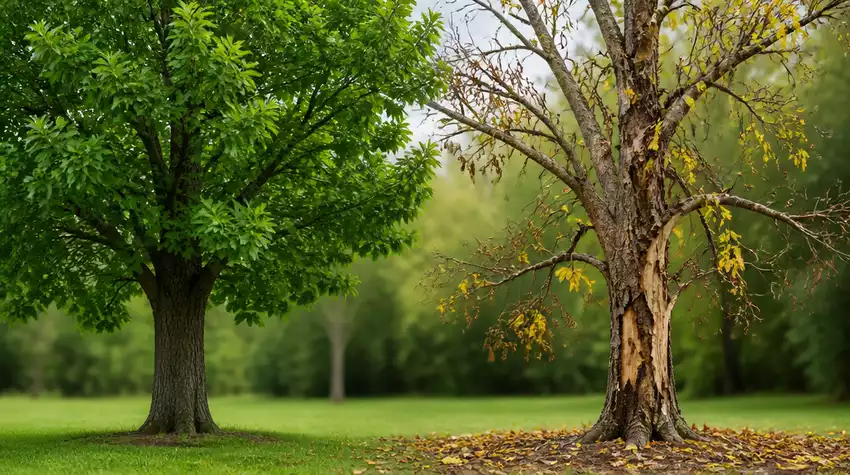
"Did you know that regular monitoring of your trees can significantly enhance their health and longevity?" Understanding the signs of tree stress and decline is essential for any homeowner or arborist. With a proactive approach, you can ensure your trees thrive in your landscape.
Identifying the signs of tree stress and decline is crucial for early intervention. Below are the key indicators that help assess tree health. For more detailed insights into effective tree care, consider exploring our tree maintenance services.
Observe for decreased leaf density, which indicates potential stress or decline.
Changes in leaf color can signify nutrient deficiencies or health issues.
Irregular growth can indicate underlying problems affecting the tree's health.
Check for any signs of damage that may compromise structural integrity.
When we talk about tree health, it's crucial to understand the concepts of tree stress and decline. These terms refer to the various factors that affect a tree's vitality, leading it to struggle or even perish if left unaddressed. At Rooted Edge, we believe that early identification of these issues is essential for maintaining a thriving landscape that integrates both arboriculture and design.
Defining tree stress often involves recognizing that it can stem from environmental factors, diseases, or even improper care practices. Decline, on the other hand, usually indicates that the tree is significantly weakened and may not recover without intervention. This knowledge empowers homeowners and professionals alike to take action and ensure that trees remain a beautiful part of our outdoor spaces.
Tree stress occurs when a tree cannot adapt to changes in its environment. Factors such as extreme weather, soil quality, and pests can all contribute to a tree's stress levels. Understanding these aspects can help us spot potential problems before they escalate into serious decline. For more information on maintaining tree health around hardscaped areas, read our article on tree care around hardscapes.
Decline is often characterized by a gradual loss of health, which can be devastating for both the tree and the landscape it inhabits. As an arborist and landscape designer, I've seen firsthand how timely recognition of these issues can lead to effective solutions!
Identifying the signs of tree stress and decline as early as possible can make a world of difference. It allows for timely interventions that can enhance a tree's chances of recovery. Think of it like checking in on a friend when they're feeling down; sometimes, they just need a little help!
When I walk through a garden, I often look for subtle cues that indicate a tree may need attention. The sooner we notice these signs, the better equipped we are to take action and promote a healthy ecosystem.
When assessing tree health, it's essential to have a clear diagnostic intent. What specific symptoms are you observing? Are there visible issues in the crown or leaves? Is the bark intact? Understanding what to look for helps us deduce the underlying causes of stress or decline.
Some common signs to consider include changes in leaf color, growth patterns, and overall vitality. As someone who deeply cares about trees and their roles in our landscapes, I encourage everyone to be observant and proactive!
Now that we have a foundational understanding of tree stress and decline, let’s dive into some critical indicators that can help us assess the health of our trees. Recognizing these signs early can allow us to act before a tree's condition worsens. It’s like having a treasure map—every clue gets us closer to finding the solution!
Utilizing these indicators can guide us in determining whether a tree is simply stressed or has entered a state of decline. Remember, understanding your trees is the first step to ensuring their health for years to come. For more insights into fostering healthy trees, consider our guide on sustainable tree care for homeowners.
Here's a brief recap of the key points discussed so far:
When it comes to caring for our trees, having a clear understanding of their health is essential. A decision tree for diagnosis can be an invaluable tool in assessing what might be troubling your beloved foliage. At Rooted Edge, I’ve found that developing a simple symptom checklist can help you quickly identify issues, allowing you to take action before problems escalate!
Creating this checklist involves a few key symptoms to monitor regularly. Think of it as your tree's personal health report! Here are some points to consider:
By keeping an eye on these indicators, you can differentiate between seasonal fluctuations and signs of true decline. Remember, early detection often leads to better outcomes!
Your checklist should be tailored to include the most common symptoms you observe in your trees. This way, you can streamline the evaluation process. When I’m out in the field, I often guide clients to note symptoms like:
This simple yet comprehensive approach helps you quickly identify potential issues and take proactive steps. Remember that a healthy tree not only enhances the beauty of your yard but also contributes positively to the surrounding ecosystem!
Understanding seasonal changes in your trees can sometimes be tricky. Trees naturally shed leaves in fall, and new growth emerges in spring, but how do we distinguish between this normal behavior and signs of stress? Monitoring patterns over time is key. Take note of:
As you familiarize yourself with these patterns, it becomes easier to spot when your tree isn’t thriving as it should. Trust me, noticing these changes sooner rather than later can lead to a healthier tree and a more vibrant landscape. For tips on managing tree roots near sidewalks, check out our guide on managing tree roots by sidewalks.
Different tree species come with varying levels of susceptibility to stress and environmental challenges. Knowing what kind of tree you have in your yard can greatly enhance your ability to care for it effectively. Some species are more resilient, while others may need extra attention. For instance:
By understanding your trees’ unique needs, you can tailor your care strategies accordingly, ensuring they remain healthy and beautiful for years to come!
Here are some common questions about identifying and addressing tree stress and decline:
In summary, evaluating your tree's health is crucial for spotting signs of stress and decline. Remember to regularly check for symptoms, create a detailed checklist, and understand the specific needs of your tree species. This proactive approach not only benefits your trees but also enhances the aesthetics of your outdoor space. For expert advice on enhancing your landscape, read about designing landscapes with trees.
At Rooted Edge, I believe that community engagement is vital for fostering a love of tree care. I encourage you to share your experiences and findings with others. Together, we can cultivate a deeper appreciation for the natural beauty around us!
To recap the key signs of tree stress, always look for:
By keeping these indicators in mind, you can take the necessary steps to care for your trees effectively.
Proactive tree care entails regular monitoring and timely interventions. Whether it’s adjusting watering practices or seeking professional help when needed, every action counts. I invite you to reach out to me at Rooted Edge if you have questions or need assistance. Together, we can keep your trees thriving!
Finally, I want to encourage you to engage with your local community. Share your tree care experiences and the lessons you’ve learned. Whether it’s hosting a neighborhood workshop or simply chatting with friends, every conversation contributes to a culture of care that benefits us all. Let’s work together to protect and nurture the trees that enrich our lives!
Here is a quick recap of the important points discussed in the article:
By Elena Whitmore / Sep 19
By Elena Whitmore / Sep 12
By Elena Whitmore / Sep 03