Eco-Friendly Landscaping Practices Explained
By Elena Whitmore / Sep 19
As trees play a crucial role in our ecosystem, understanding how to care for them is vital. Mulching is one of the simplest yet most effective ways to ensure their health and vitality. Did you know that proper mulching can significantly enhance moisture retention and promote a thriving soil ecosystem?
The following highlights the primary benefits of mulching that enhance tree health and vitality.
Mulch helps keep soil moist by reducing evaporation, which is crucial during hot summer months.
Creates a barrier that prevents weeds from competing for nutrients, allowing trees to access the resources they need to grow strong.
Insulates the soil, keeping it cooler in summer and warmer in winter, which is vital for root health.
Shields roots from damage and helps maintain the structural integrity of the tree.
Organic mulch improves soil fertility as it decomposes, enriching the soil for tree growth.
Encourages beneficial microbial activity essential for a thriving ecosystem.
When it comes to tree care, one of the most effective practices is mulching. This simple technique can significantly enhance the health and vitality of your trees. At Rooted Edge, we emphasize how understanding the importance of mulching is a crucial step toward creating beautiful and sustainable outdoor spaces. For more insights on overall tree maintenance services, explore our detailed guide.
Mulching is not just about aesthetics; it plays a vital role in providing essential benefits for your trees. Think of mulch as a protective blanket that nurtures the soil and shields tree roots. In this section, let’s delve into what mulching means for tree health and explore its many advantages.
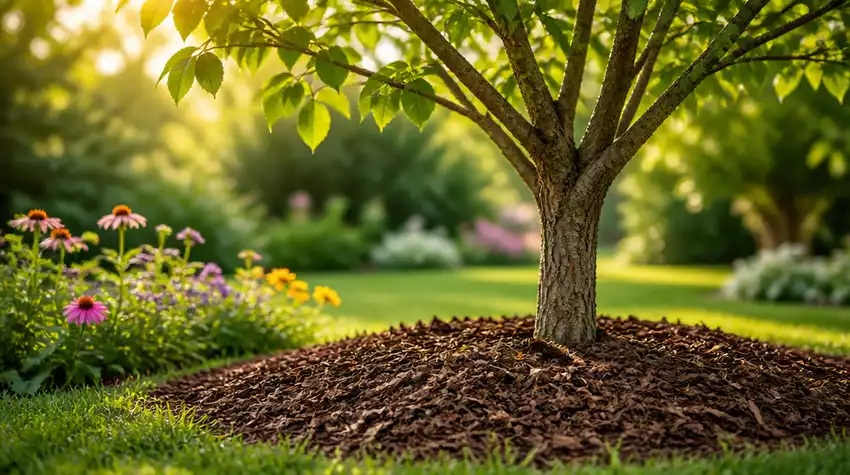
At its core, mulching involves covering the soil around a tree with an organic or inorganic material. This covering serves multiple purposes, including moisture retention, temperature regulation, and protection against pests. By creating a barrier, mulching effectively supports a tree's growth and overall well-being.
There are various materials you can use for mulching, such as bark, wood chips, and even leaves. Each type has its unique benefits. Using organic materials not only enhances aesthetics but also contributes to soil health as they decompose over time. This interplay between mulch and soil is what makes it a crucial step in tree care.
Let’s take a closer look at the myriad advantages that come with mulching, which I often share with my clients at Rooted Edge. Here are some key benefits:
One of the most significant benefits of mulching is its ability to enhance soil moisture retention. This is especially important during hot summer months when trees are under stress. Mulch acts like a sponge, capturing and holding water, which keeps the soil consistently moist.
This moisture retention helps trees establish deeper root systems, making them more resilient. So, if you want to give your trees the best chance to thrive, consider adding mulch around their bases!
Weeds can compete with trees for essential nutrients and water. Mulching effectively suppresses weed growth, allowing trees to access the resources they need to grow strong and healthy. Imagine a garden where your trees have the freedom to flourish without the threat of unwanted plants stealing their nutrients! For effective weed control and overall plant health, consider integrating eco-friendly landscaping benefits for homeowners.
By controlling weeds, you also reduce the need for chemical herbicides, promoting a healthier environment. It’s a win-win for both your trees and the ecosystem!
Mulch plays a vital role in regulating soil temperature. In hot weather, it keeps the soil cooler, while in colder months, it helps maintain warmth. This stabilization is crucial for tree roots, which are sensitive to extreme temperature fluctuations.
By keeping the soil temperature consistent, mulch promotes optimal growth conditions for your trees. It’s like giving your trees a cozy blanket that helps them feel at home, no matter the season!
Mulching also protects tree roots and trunks from physical damage. Lawn mowers, garden tools, and even foot traffic can harm roots and bark if they are too close to the tree. By creating a mulch ring, you create a protective barrier that shields these vulnerable areas.
This protection is especially vital for young trees as they establish themselves in your landscape. A little extra care goes a long way in setting them up for success!
Using organic mulch not only looks great but also enriches the soil. As organic materials break down, they release nutrients that feed your trees. This natural process enhances soil fertility, promoting a more vibrant ecosystem.
By choosing organic options like wood chips, you are essentially giving your trees a nutritious meal while also improving the overall health of the soil. It’s the perfect way to show your trees some love!
Finally, mulching encourages beneficial microbial activity in the soil, which is crucial for tree health. Microbes help decompose organic matter, making nutrients readily available to your trees. When you mulch, you’re inviting a community of microorganisms to thrive beneath the surface!
At Rooted Edge, we believe in the beauty of collaboration between trees and their environment. By mulching effectively, you create a thriving ecosystem that nurtures your trees while enhancing your outdoor space!
Did you know? When mulching, it's beneficial to use a mix of different organic materials. Combining wood chips with shredded leaves or grass clippings can enhance moisture retention and provide a wider range of nutrients as they decompose. This not only improves soil health but also encourages a diverse microbial community that supports tree vitality!
Maintaining mulch around your trees is essential for their long-term health and vitality. As the seasons change, the mulch can break down, losing its effectiveness. Regularly refreshing your mulch not only keeps your trees looking great but also ensures they receive the best care possible!
To keep your mulch in top shape, it's important to know when and how to refresh it. Ideally, you should check your mulch at least once a year, ideally in the spring or fall. This ensures that your trees are getting the nutrients they need while maintaining proper moisture levels in the soil.
Refreshing mulch is a straightforward process, but it does require some attention to detail. Here’s a simple guide to help you through it:
Following these steps helps maintain healthy conditions for your trees while also enhancing the overall aesthetics of your landscape. At Rooted Edge, we believe that a little care goes a long way in ensuring your trees thrive!
Knowing when your mulch needs attention is key to keeping your trees healthy. There are a few noticeable signs that indicate it's time to refresh or replace your mulch:
Regularly assessing the health of your mulch not only protects your trees but also contributes to the overall health of your landscape. Just like a gardener tends to their plants, we all need to care for the environment around us! For more on nurturing your garden, consider sustainable tree care for homeowners.
Biodegradation plays a vital role in maintaining soil structure and fertility. When organic mulch breaks down, it releases nutrients into the soil that are essential for tree health. This process helps improve soil texture, increases water retention, and promotes a thriving ecosystem of beneficial microbes.
At Rooted Edge, we emphasize the importance of using organic mulch materials for this reason. Not only are they effective at supporting tree health, but they also contribute positively to the environment. Think of it as a natural way to nourish your trees while helping them grow strong and resilient!
Every tree species has unique needs, and the same goes for their mulching practices. Tailoring your approach ensures that each tree gets the best care possible. Let’s dive into what you should consider when mulching different types of trees.
Different tree species thrive in different environments and may require specific types of mulch. Here are some factors to keep in mind:
Understanding these unique requirements allows you to create a customized care plan for your trees, ensuring they flourish in your landscape!
Your local climate plays a significant role in how you should mulch. Knowing how to adapt your practices can help your trees thrive despite changing weather conditions. Here are some tips:
By being mindful of your climate, you empower your trees to grow stronger and healthier, creating a more vibrant outdoor space!
As we face changing climate conditions, mulching becomes even more critical for tree health. It can help trees adapt by moderating soil temperature and retaining moisture during dry spells.
At Rooted Edge, we advocate for using eco-friendly and sustainable mulching practices that not only support individual trees but also contribute to the larger ecosystem. Let’s work together to create a resilient landscape that can thrive no matter the weather!
Sometimes, seeing is believing! Visual guides can be incredibly helpful for understanding the impact of proper mulching. Before and after photos of mulched trees can illustrate the benefits of good practices.
Consider creating a visual log of your mulching efforts. Take photos of your trees before mulching and then after a week or two. This not only allows you to track progress but also gives you a clear picture of how mulching enhances the overall appearance and health of your trees.
Share these visuals with friends and family to show the importance of maintaining healthy landscapes. It might inspire others to take action in their own outdoor spaces!
Have questions about mulching? Here are some frequently asked questions that may help clarify any doubts you might have:
Here are some common questions about mulching trees to help you get started or refine your practices:
Mulching involves covering the soil around a tree with organic or inorganic material. It's crucial for tree health as it helps retain soil moisture, regulate temperature, suppress weeds, enrich soil quality, and protect roots and trunks from damage.
Ideally, you should check your mulch at least once a year, preferably in the spring or fall. Replace or add new mulch when it has decomposed, become compacted, lost its color, or developed an unpleasant odor.
Organic mulches like wood chips, bark, and shredded leaves are generally best for trees. As they decompose, they release nutrients into the soil, improving its fertility and promoting beneficial microbial activity. The specific type can also depend on the tree species and local climate.
Aim for a mulch layer of about 2-4 inches thick. It's important to keep the mulch a few inches away from the tree trunk to prevent rot and pest infestations.
Yes, mulching helps moderate soil temperature, keeping roots cooler in hot weather and warmer in cold weather. This insulation can significantly help trees cope with extreme temperature fluctuations and maintain moisture during dry spells.
If you have further questions, don’t hesitate to reach out to local experts or visit us at Rooted Edge for guidance tailored to your unique landscape. We’re here to help you every step of the way!
Now that you’re equipped with knowledge about mulching, it’s time to take action! Implementing best practices will ensure your trees remain healthy and beautiful. The relationship between tree care and landscape design is essential, and together, we can nurture the environment around us.
Start by assessing your current mulching practices and see where you can make improvements. Whether it’s refreshing mulch or adopting new techniques, every little change can have a positive impact!
If you’re unsure about any aspect of mulching, consider reaching out to local experts or participating in community workshops. At Rooted Edge, we offer resources and connections to knowledgeable professionals who can guide you.
Remember, mulching isn’t just about caring for your trees; it’s about fostering a healthy ecosystem. By choosing sustainable practices, you contribute to the biodiversity of your area, creating a thriving habitat for wildlife. Discover how designing landscapes with trees can further enhance biodiversity and environmental health.
Together, let’s cultivate a landscape that is not only beautiful but also benefits the environment! Your trees will thank you for it!
Here is a quick recap of the important points discussed in the article:
By Elena Whitmore / Sep 19
By Elena Whitmore / Sep 12
By Elena Whitmore / Sep 03