Eco-Friendly Landscaping Practices Explained
By Elena Whitmore / Sep 19
What if I told you that simple changes in your tree care routine could lead to a healthier planet? Eco-friendly tree care isn't just a trend—it's essential for nurturing our landscape and supporting our ecosystems. By making conscious choices, you can significantly impact both your garden and the environment!
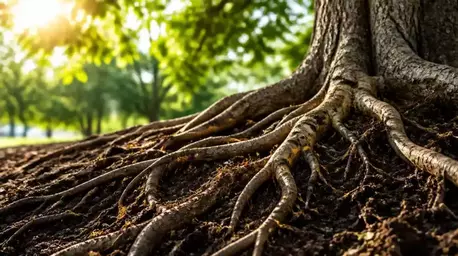
Here’s a visual summary of the key benefits associated with sustainable tree care practices that homeowners can embrace.
Sustainable practices promote robust growth and resilience against pests and diseases.
Using organic fertilizers and pest control methods minimizes harmful substances in our environment.
Eco-friendly techniques often incorporate native plants, supporting local wildlife and pollinators.
Healthier trees require less maintenance and fewer replacements, saving you money over time.
As a homeowner, understanding eco-friendly tree care is not just about keeping your landscape looking beautiful—it's about playing your part in nurturing our planet. Traditional tree care methods can often harm the environment, using chemicals that pollute the soil and water. By adopting sustainable practices, we can ensure that our outdoor spaces thrive while also protecting the earth for future generations. For more ways to integrate sustainable options into your property, consider eco-friendly landscaping benefits for homeowners.
The environmental impact of traditional approaches to tree care is significant. Many conventional methods involve the use of synthetic fertilizers and pesticides that can leach into our waterways, harming aquatic life and ecosystems. Eco-friendly tree care emphasizes the importance of sustainability, allowing us to cultivate our gardens without sacrificing the health of our environment.
By embracing eco-friendly practices, we not only improve the health of our trees but also foster a thriving ecosystem in our backyards. This means healthier soil, cleaner air, and a greater diversity of plants and wildlife. If we prioritize sustainable methods, we can create outdoor spaces that are both beautiful and ecologically sound!
When we think of sustainable tree care, it’s essential to recognize the numerous benefits it brings. Here are some key advantages:
By focusing on these benefits, homeowners can contribute to a healthier environment while enjoying the beauty of their trees. At Rooted Edge, we believe that sustainable tree care is not just a trend; it’s a necessary approach to nurturing our landscapes.
One of the best ways to enhance your tree care routine is by incorporating native plants into your landscape. Native plants are perfectly adapted to your local climate and soil conditions, making them easier to care for and more resilient. They play a crucial role in supporting local ecosystems, providing food and habitat for wildlife.
Here’s why choosing native plants is beneficial:
When planning your tree care strategies, consider integrating native species to create a vibrant, healthy ecosystem right in your backyard!
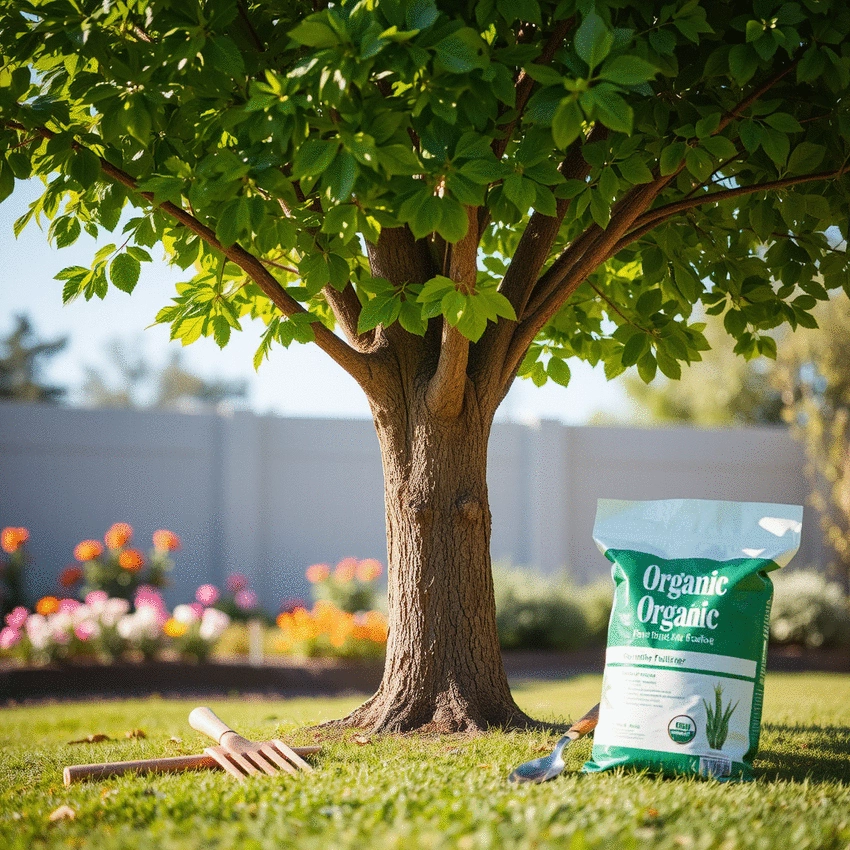
Transitioning to organic fertilizers and pest management techniques is a key step in practicing eco-friendly tree care. Organic fertilizers, such as compost or well-rotted manure, nourish your trees without harmful chemicals. They improve soil health and stimulate beneficial microorganisms that support plant growth.
For pest management, consider these effective methods:
By choosing organic options, we not only protect our trees but also safeguard the surrounding environment. These methods promote a synergistic relationship between plants, soil, and wildlife, which is what we strive for at Rooted Edge.
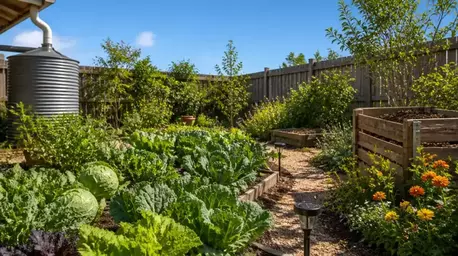
Water conservation is crucial, especially in times of drought or water restrictions. Simple techniques such as mulching and efficient watering practices can significantly enhance resource conservation. Mulching helps retain moisture in the soil, reducing the need for frequent watering.
Here are some effective water conservation strategies:
Implementing these strategies not only conserves water but also strengthens your trees’ resilience against dry conditions. Remember, every drop counts! To further integrate trees into your landscape planning, exploring designing landscapes with trees can provide additional insights.
Drip irrigation systems offer an efficient way to manage water use in your tree care routine. This method delivers water directly to the roots, minimizing waste and ensuring that your trees receive the moisture they need. It's a fantastic way to promote water conservation without sacrificing tree health.
The advantages of drip irrigation include:
As someone passionate about creating sustainable outdoor spaces, I can attest to the benefits of using drip irrigation to ensure that our trees thrive while conserving this precious resource.
Proper pruning is vital for maintaining the health of your trees while minimizing environmental impact. When done correctly, pruning encourages vigorous growth, enhances air circulation, and reduces the risk of disease. It’s essential to use the right techniques and tools to ensure your trees remain healthy.
Here are some key pruning practices to keep in mind:
At Rooted Edge, we emphasize the importance of thoughtful pruning to create strong, resilient trees that can withstand environmental challenges.
Storms can wreak havoc on trees, but there are eco-friendly ways to prepare and manage damage. Implementing preventive measures can minimize the risk of storm damage, while effective management strategies can help your trees recover after a storm.
Consider these practices:
By taking proactive steps, we can help ensure that our trees remain strong and healthy, ready to weather whatever nature throws our way! Remember, a little preparation goes a long way in safeguarding your landscape. For more detailed guidance, explore tree care around hardscapes: tips.
Here's a brief recap of the key points discussed so far:
As we wrap up our discussion on eco-friendly tree care, it's essential to recognize the vital role these sustainable practices play in maintaining the health of our trees and the environment. By adopting techniques such as using native plants, organic fertilizers, and efficient watering methods, homeowners can create a thriving ecosystem right in their backyards. These approaches not only support local wildlife but also ensure that our trees grow strong and resilient against pests and diseases.
We also explored practical strategies like drip irrigation and proper pruning techniques that minimize the impact on our surroundings. Implementing these eco-friendly methods can significantly reduce the use of harmful chemicals, leading to a healthier planet for future generations. Remember, every small effort counts, and together we can cultivate a greener world!
Now that you're equipped with valuable insights into eco-friendly tree care, I invite you to take the plunge and start implementing these techniques in your own garden! At Rooted Edge, I believe that every homeowner has the potential to make a positive impact on their outdoor spaces. The journey to sustainable tree care is not only fulfilling but also incredibly rewarding.
Imagine watching your trees thrive, knowing that you are contributing to a healthier ecosystem. With each eco-friendly choice you make, you're not just enhancing the beauty of your landscape, but you're also nurturing the environment. Let’s embrace this journey together—your trees will thank you for it!
To further support your eco-friendly tree care endeavors, here are some resources you can explore:
Taking advantage of these resources can further enhance your knowledge and help you connect with like-minded individuals in your community. Together, we can foster a love for our trees and the environment, ensuring a brighter future for all. To ensure your trees receive the best possible attention, consider professional tree maintenance services.
Here is a quick recap of the important points discussed in the article:
By Elena Whitmore / Sep 19
By Elena Whitmore / Sep 12
By Elena Whitmore / Sep 03