Eco-Friendly Landscaping Practices Explained
By Elena Whitmore / Sep 19
As climate change reshapes our world, the way we design and maintain our outdoor spaces demands a fresh approach. Imagine transforming your garden into not just a visual paradise but a sanctuary for local wildlife and a resilient ecosystem. Embracing eco-friendly landscaping practices is not merely a choice—it’s a responsibility we all share.
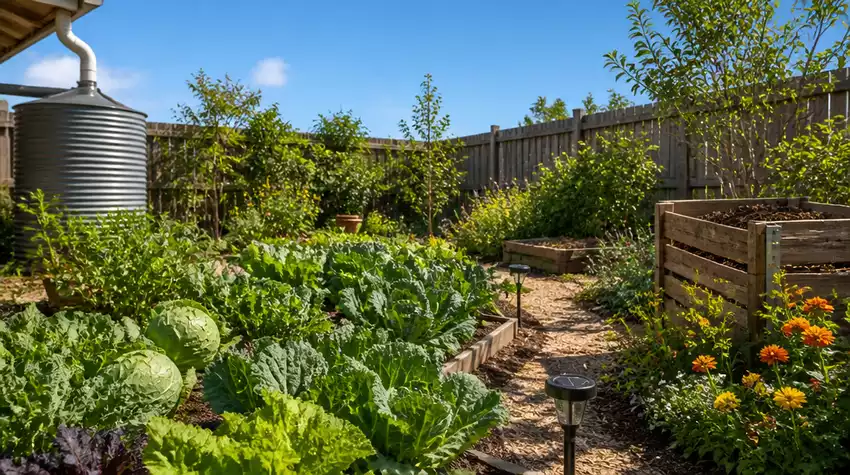
Understanding the benefits of sustainable landscaping practices is vital for enhancing our ecosystems. Below is a visual representation of the core environmental impacts and benefits of eco-friendly landscaping:
Sustainable landscapes reduce water demand, crucial for maintaining resources in arid regions.
Utilizing native plants supports local wildlife and promotes healthy ecosystems.
Practices like composting and organic mulching nourish the earth and prevent erosion.
Fewer chemicals in landscapes lead to cleaner air and water, benefiting overall health.
When I think about landscaping, I can’t help but picture vibrant gardens that not only please the eye but also support the environment. At Rooted Edge, we believe that embracing eco-friendly practices is essential for creating outdoor spaces that are both beautiful and sustainable. Understanding what sustainable landscaping entails is the first step toward making a positive impact in your garden and community!
Eco-friendly landscaping means designing your outdoor spaces with a focus on nature’s balance. This includes using native plants, reducing water usage, and minimizing chemical inputs. By making informed choices, we can foster healthier ecosystems while still enjoying our beautiful gardens.
Sustainable landscaping is all about working with nature rather than against it. At its core, it involves practices that conserve resources and promote biodiversity. This approach not only helps preserve our planet but also enhances the beauty and enjoyment of our yards! For more details on maintaining your trees as part of a sustainable landscape, check out our guide on tree maintenance services.
One key aspect of sustainable landscaping is understanding the impact of our choices. For instance, selecting native plants instead of non-native species can significantly boost local wildlife habitats. These plants are adapted to the local climate and require less water and maintenance.
Eco-friendly landscaping encompasses a wide range of practices that aim to reduce environmental harm. Here are some core principles:
When we adopt these practices, we create landscapes that are not only stunning but also resilient and low-maintenance. It's a win-win situation!
In today’s world, sustainability in landscaping is more important than ever. With climate change and urbanization impacting our environments, we need to take responsibility for our outdoor spaces. This means not only creating beautiful designs but also ensuring that our landscapes contribute positively to the ecosystem.
At Rooted Edge, I often remind my clients that landscaping is a long-term investment in both beauty and ecological health. Modern landscaping must address challenges like water scarcity, pollution, and habitat loss by incorporating sustainable solutions.
As we dive deeper into eco-friendly practices, it’s essential to explore the various approaches that can transform our outdoor spaces. Each method offers unique benefits while promoting sustainability. Embracing these techniques can lead to gardens that are both lively and low-impact!
Permaculture is a design system that seeks to create sustainable and self-sufficient agricultural ecosystems. Here are some principles that can be applied to landscaping:
By implementing permaculture principles, we can create landscapes that are not only beautiful but also productive. Imagine a garden that provides food, habitat, and beauty all at once!
Xeriscaping is a method of landscaping that focuses on reducing water usage. This approach is especially beneficial in areas prone to drought. Some key techniques include:
By adopting xeriscaping principles, we can significantly lower water consumption while still enjoying lush and vibrant gardens. It’s about designing thoughtfully!
Green roofs and rain gardens are two innovative solutions that can enhance urban landscaping. Green roofs absorb rainwater, reduce heat, and provide insulation. Rain gardens, on the other hand, are designed to manage water runoff and promote infiltration. Here’s why you should consider them:
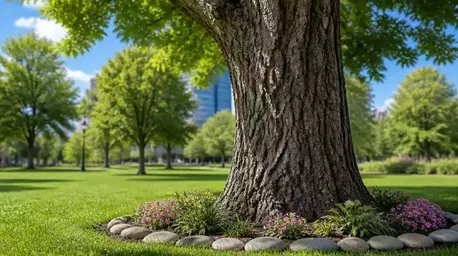
These eco-friendly approaches not only beautify our spaces but also play a crucial role in environmental health! You can also explore designing landscapes with trees to further enhance ecological balance.
When starting your eco-friendly landscaping journey, consider creating a "sustainability zone" in your garden. This designated area can feature native plants, a rain garden, or even a small compost bin. Not only does it demonstrate your commitment to sustainable practices, but it also serves as a hands-on educational tool for friends and family!
As I reflect on my journey with Rooted Edge, it’s clear that the importance of eco-friendly practices in landscaping cannot be overstated. By embracing sustainable solutions, we not only enhance our outdoor spaces but also contribute positively to our environment. Adopting these practices leads to healthier ecosystems, so let’s dive into why they are essential for both our planet and homeowners!
First and foremost, eco-friendly landscaping significantly impacts our environment. Sustainable practices reduce water usage, minimize chemical inputs, and improve soil health, leading to long-term benefits for homeowners. When we create landscapes that prioritize ecological balance, we also foster resilience against climate change, which is vital for future generations.
Understanding the environmental impacts of landscaping choices is crucial. The right practices can help mitigate the effects of urbanization while enhancing biodiversity. With each decision we make, we can contribute to a more sustainable future! For instance, understanding tree care for sustainable landscapes is key.
Here are some key environmental impacts and long-term benefits of sustainable landscaping:
Urban areas can greatly benefit from increased green spaces. These landscapes not only beautify neighborhoods but also enhance community well-being. By prioritizing eco-friendly practices, we can create inviting spaces that promote relaxation and foster social connections.
Moreover, landscaping choices play a significant role in encouraging urban biodiversity. Here are some effective strategies to foster it:
Now that we understand the importance of eco-friendly practices, it’s time to take action! Transitioning to a more sustainable landscape may seem daunting, but with some guidance, it can be quite rewarding. Let’s explore some steps you can take to start your eco-friendly landscaping journey.
Creating a checklist for sustainable practices is an excellent way to ensure you’re on the right path. Here’s a simple list to get you started:
Engaging with your community is also a powerful way to champion eco-friendly landscapes. Share your journey and inspire others by:
At Rooted Edge, I believe that together, we can make a significant impact on our environment and create beautiful, sustainable outdoor spaces. The journey towards eco-friendly landscaping starts with small steps—let’s cultivate a greener future together!
Here is a quick recap of the important points discussed in the article:
By Elena Whitmore / Sep 19
By Elena Whitmore / Sep 12
By Elena Whitmore / Sep 03