Eco-Friendly Landscaping Practices Explained
By Elena Whitmore / Sep 19
In a world where every action can ripple through the environment, understanding sustainable tree care is more critical than ever. With the ability of trees to absorb carbon dioxide and support biodiversity, the choices we make in landscaping hold profound implications for our planet's health.
Understanding the key benefits of sustainable tree care can help emphasize its importance in landscaping.
Mature trees can absorb approximately 48 pounds of carbon dioxide annually, making them critical for reducing our carbon footprint.
Native tree species provide habitats for local wildlife, enhancing biodiversity in the landscape.
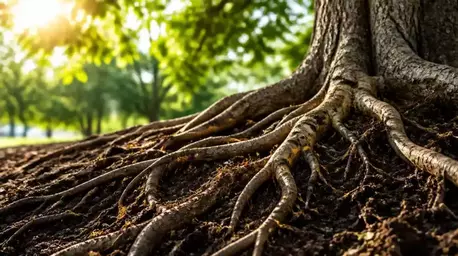
Healthy trees prevent soil erosion and maintain nutrient-rich environments, contributing to overall ecosystem health.
In today's world, where environmental concerns are more pressing than ever, understanding the significance of sustainable tree care in landscaping cannot be overstated. As an arborist and landscape designer, I’ve seen firsthand how our choices in tree management can impact not just our immediate surroundings but also the planet. By embracing sustainable practices, we can create outdoor spaces that flourish while respecting the delicate balance of nature. For more insights into how proper tree management practices can contribute to healthier environments, read about our tree maintenance services.
At Rooted Edge, my mission is to educate homeowners and professionals about the vital role of trees in our ecosystems. Through sustainable tree care, we help foster a healthier environment that supports not only the growth of beautiful landscapes but also the well-being of our communities. It’s about more than just planting trees; it’s about establishing a legacy of environmental stewardship.
When we talk about sustainable tree care, we’re discussing practices that prioritize the health of our ecosystems. Here are some compelling reasons why these practices are essential for the environment:
Each of these points highlights how choosing sustainable methods not only benefits our trees but also contributes to a more resilient environment. By focusing on these practices, we can create landscapes that thrive and support the delicate web of life surrounding us.
Trees play a pivotal role in combating climate change by sequestering carbon dioxide from the atmosphere. When we prioritize the health and growth of our trees through sustainable practices, we actively contribute to lowering our carbon footprint. This approach also aligns with strategies for eco-friendly landscaping benefits for homeowners, ensuring a holistic environmental impact.
Consider this: a mature tree can absorb approximately 48 pounds of carbon dioxide annually! By planting and caring for trees responsibly, we can effectively reduce the levels of greenhouse gases in our atmosphere, creating a healthier planet for future generations.
Choosing native tree species for your landscaping can significantly enhance local biodiversity. Native trees are adapted to the local climate and soil conditions, making them more resilient and beneficial to the ecosystem. They provide essential habitats for local wildlife, which helps maintain a balanced and thriving environment.
Some popular native tree species to consider include:
By incorporating these species into your landscape, you’re not just beautifying your surroundings but also supporting the flora and fauna that depend on these trees for survival.
The methods we use to care for trees can have a significant impact on the environment. Practices such as chemical fertilization and pest management can harm beneficial insects and soil health. Conversely, sustainable tree care techniques prioritize the long-term health of both trees and the surrounding ecosystem.
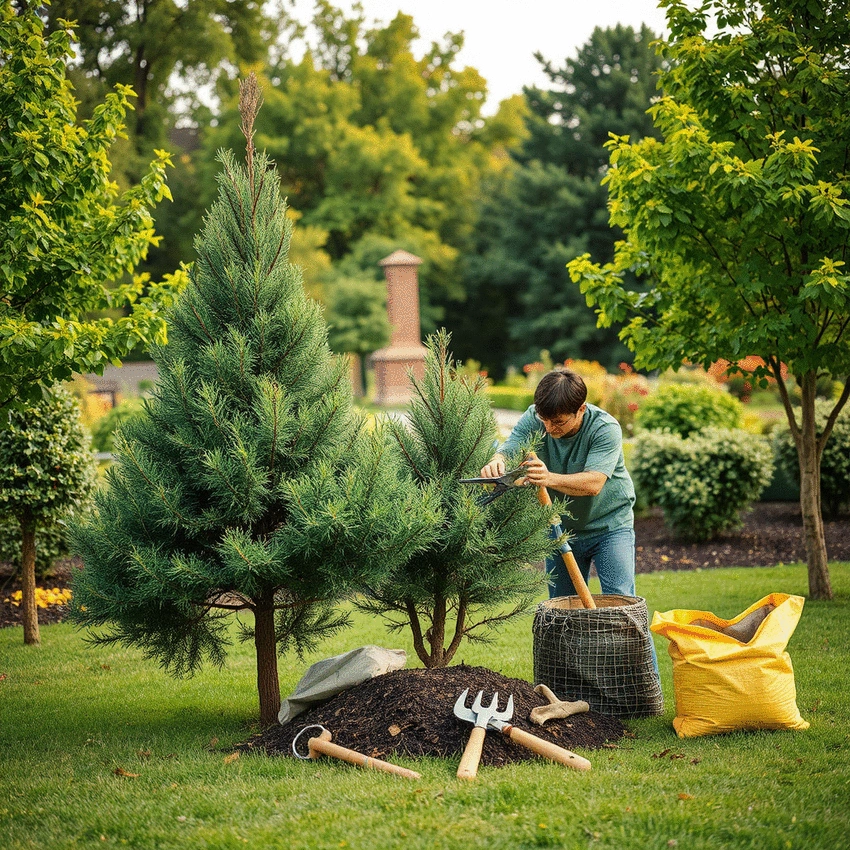
By implementing practices like organic fertilization and responsible pruning, we can ensure our tree care methods are in harmony with nature. These small adjustments can lead to greater environmental benefits, promoting healthier growth and reducing negative impacts on our ecosystems.
Now that we've explored the importance of sustainable tree care, it's time to dive into some key techniques that can help you implement these practices effectively. By integrating these methods into your landscaping routine, you can make a lasting impact on both your outdoor space and the environment.
Let’s take a closer look at some practical approaches that you can incorporate into your tree care routine!
Here's a brief recap of the key points discussed so far:
Visual learning can be a game changer, especially when it comes to understanding complex topics like sustainable tree care. At Rooted Edge, we believe that visually engaging content can significantly improve how homeowners and professionals grasp the importance of tree care practices. Infographics and visuals can make the subject much more relatable and easier to digest!
Imagine a colorful infographic that outlines the tree lifecycle, showcasing each stage from seed to mature tree. Not only does this enhance comprehension, but it also keeps readers interested. Visuals can help bridge the gap between technical knowledge and practical application, making sustainable practices more approachable for everyone. For more valuable guidance, consider our sustainable tree care guide for homeowners.
Infographics have a powerful impact on reader retention, conveying information quickly and effectively. Did you know that people are more likely to remember visual information than text alone? By using eye-catching graphics, we can ensure that the key messages regarding tree care stick with our audience. This is especially critical in promoting eco-friendly practices!
Here are some ways infographics can simplify complex information:
By incorporating these visuals into content on our website, we strive to make tree care not just informative but also enjoyable to learn about!
Here are some common questions about sustainable tree care techniques, providing quick answers to help you better understand and implement these practices.
One common question I often hear is about the best methods for maintaining trees sustainably. It’s essential to approach tree care with a plan that promotes their health while considering the environment. Here are some techniques to keep in mind:
By implementing these techniques, you’re not just caring for your trees but also contributing to a healthier ecosystem.
Homeowners often wonder how they can start integrating sustainable practices into their landscaping. It can feel overwhelming, but taking small steps can lead to significant benefits! Here are some ways you can begin:
At Rooted Edge, we’re here to guide you through these practices, ensuring your landscaping is both beautiful and sustainable!
The primary environmental benefit of sustainable tree care is its significant contribution to mitigating climate change by reducing the carbon footprint. Trees absorb carbon dioxide, making them crucial in combating greenhouse gas emissions and fostering a healthier planet.
Native tree species are important because they are adapted to local climate and soil conditions, requiring less water and maintenance. They also provide essential habitats for local wildlife, enhancing biodiversity and promoting a balanced, thriving ecosystem.
You can reduce your landscaping's carbon footprint by planting and responsibly caring for mature trees, which absorb significant amounts of carbon dioxide. Additionally, using sustainable tree care practices like organic fertilization and natural mulching minimizes environmental impact.
Infographics play a crucial role in sustainable tree care education by making complex information more accessible and engaging. They improve reader retention, simplify technical knowledge, and help bridge the gap between theoretical understanding and practical application of eco-friendly practices.
Simple sustainable tree care techniques for homeowners include regular pruning to maintain tree structure and improve air circulation, natural mulching to enrich soil and retain moisture, and soil testing to guide fertilization and irrigation. Choosing native plants, composting, and watering wisely also contribute significantly.
Implementing sustainable tree care techniques not only benefits your landscape but also creates a healthier environment for future generations. By practicing responsible maintenance, we’re contributing to the planet's health while beautifying our surroundings. It’s a win-win situation!
Are you ready to take the next step in sustainable tree care? I invite you to explore these practices in your own landscaping! At Rooted Edge, we’re committed to empowering you with the knowledge and tools you need. Let’s work together to cultivate a greener future!
Here is a quick recap of the important points discussed in the article:
By Elena Whitmore / Sep 19
By Elena Whitmore / Sep 12
By Elena Whitmore / Sep 03