Eco-Friendly Landscaping Practices Explained
By Elena Whitmore / Sep 19
What if your outdoor space could enhance your home and help the environment at the same time? Eco-friendly landscaping is just that—an opportunity to create a beautiful, sustainable yard that conserves resources and promotes biodiversity.
These steps outline a practical approach to creating sustainable outdoor spaces. For professional assistance with maintaining your trees as part of your eco-friendly landscape, consider exploring tree maintenance services.
Observe sunlight, shade, and existing plants, taking notes on what works and what doesn’t.
Research and select plants that are native to your region, as they will be more resilient.
Sketch your landscaping plan, including plant placement and hardscape features.
Test the soil quality and amend it as needed to ensure a healthy growing environment.
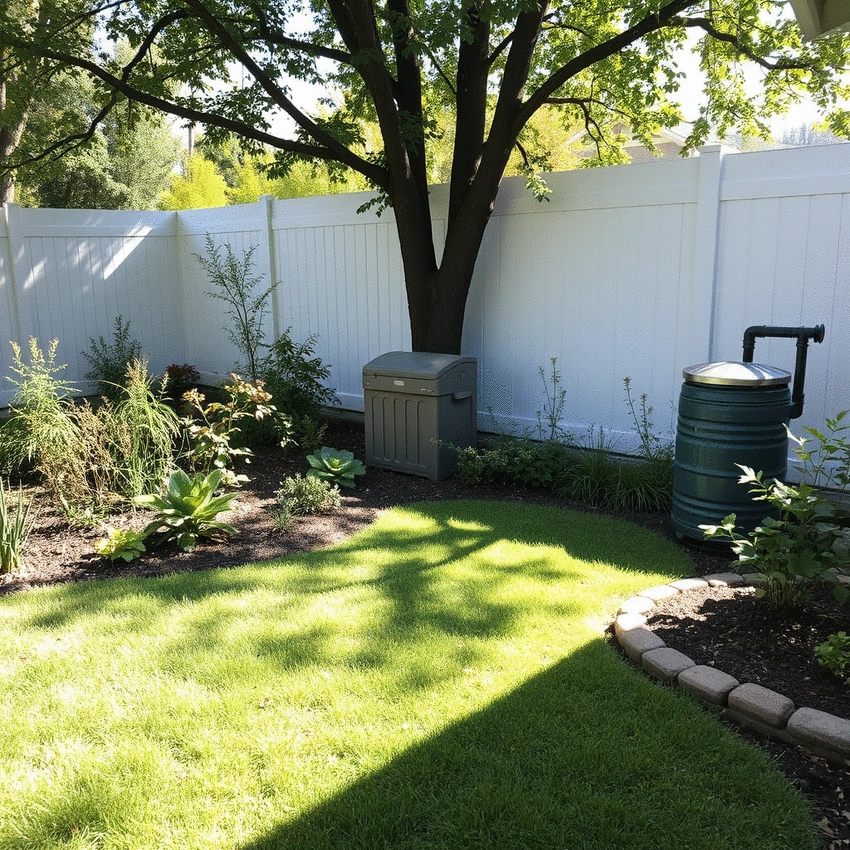
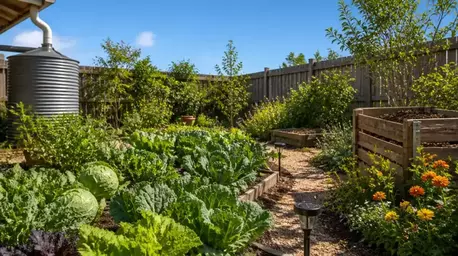
Consider rain gardens, drip irrigation, or xeriscaping to reduce water usage.
Regularly tend to your garden, using organic methods to control pests and diseases.
Eco-friendly landscaping is more than just a trend; it’s a movement towards creating spaces that honor both beauty and the environment. Homeowners are increasingly realizing the importance of designing their outdoor areas with sustainability in mind. By integrating practices that promote ecological health, we not only enhance our properties but also contribute positively to the planet!
At its core, eco-friendly landscaping is about using natural resources wisely. This approach focuses on making choices that respect local ecosystems, such as selecting native plants that require less water and are more resilient to local pests. It’s like crafting a beautiful tapestry that weaves together aesthetics and sustainability, ensuring that our yards can thrive alongside nature. For more on integrating trees into your landscape design, explore designing landscapes with trees.
As an arborist and landscape designer, I’ve seen firsthand how eco-friendly landscaping can transform a space. Homeowners not only enjoy a visually appealing environment but also one that promotes biodiversity and reduces their carbon footprint. This harmony between beauty and function is at the heart of what we do at Rooted Edge.
What drives homeowners to embrace sustainable landscaping? The motivations can vary, but they often stem from a desire to make informed choices. Many people are seeking information to help them understand how their landscaping decisions impact the environment, while others are motivated by the potential for savings on utility bills and maintenance costs.
For me, the joy of helping clients navigate their options goes beyond just aesthetics; it’s about empowering them with knowledge. Sustainable landscaping not only beautifies their homes but also instills a sense of responsibility towards the earth. So, whether it’s about understanding the best native plants for their area or the benefits of rain gardens, I’m here to guide them every step of the way.
One of the most appealing aspects of eco-friendly landscaping is the potential for cost savings. Homeowners often find that by adopting sustainable practices, they can significantly reduce their monthly expenses. It’s a win-win scenario that enhances both their outdoor space and their budget! Understanding how to manage elements like tree roots near sidewalks can also contribute to long-term savings by preventing costly damage.
Did you know? Incorporating native plants into your landscaping can reduce water usage by up to 50% compared to non-native species. These plants are not only adapted to your local climate, but they also require less maintenance and provide essential habitats for local wildlife, making your landscape both beautiful and beneficial for the ecosystem.
Implementing eco-friendly landscaping may seem daunting, but with a structured approach, it can become an exciting project! Start by assessing your outdoor space and envisioning how you want it to look while ensuring it remains sustainable. At Rooted Edge, I believe that every homeowner can create a beautiful environment that respects nature, and I'm here to guide you through the steps.
First, you need to plan your layout. Consider the sun and shade patterns in your yard, soil types, and existing plants. Then, select native plants that thrive in your area. Native plants will not only blend beautifully with your landscape but also require less maintenance and water. This thoughtful approach sets a solid foundation for a sustainable outdoor space.
Let’s break down the implementation process into manageable steps:
By following these steps, you can create a landscaping masterpiece that not only enhances your home but also contributes positively to the ecosystem.
Every region has unique climate conditions that influence plant selection and care. Here are some tips to consider based on common climate zones:
Understanding your local climate will help you select the best plants for your eco-friendly landscape, making it both beautiful and sustainable. This also applies to considerations like tree care around hardscapes, ensuring longevity and harmonious integration.
Organic gardening is a wonderful way to enhance soil health and promote sustainability. By using organic practices, you can create a thriving garden that nurtures the environment. Here are some simple techniques to get started:
These organic gardening techniques not only improve the health of your landscape but also contribute to a cleaner, greener environment! At Rooted Edge, I'm passionate about helping homeowners like you learn these sustainable practices, so your outdoor space thrives beautifully. For further inspiration, consider how designing landscapes with trees can elevate your eco-friendly efforts.
Here is a quick recap of the important points discussed in the article:
By Elena Whitmore / Sep 19
By Elena Whitmore / Sep 12
By Elena Whitmore / Sep 03