Eco-Friendly Landscaping Practices Explained
By Elena Whitmore / Sep 19
Have you ever considered how the arrangement of trees within your landscape can influence their health and the surrounding ecosystem? Thoughtful landscape design is more than just aesthetics; it is a fundamental aspect of nurturing our environment. By understanding the intricate relationship between trees and their surroundings, we can create vibrant spaces that benefit all life forms.
Understanding the advantages of thoughtful tree placement in landscape design can greatly enhance tree health and ecological balance. If you're interested in mastering the art of designing landscapes with trees, consider these key benefits.
Ensure trees are not overshadowed by buildings or other plants, allowing them to receive optimal light for photosynthesis.
Match trees with soil types that suit their growth requirements to enhance nutrient absorption.
Provide adequate spacing to promote air circulation, reducing the risk of disease and pests.
Trees absorb carbon dioxide and filter harmful substances from the air, thus improving air quality.
When it comes to nurturing our natural surroundings, landscape design plays a crucial role in the health of trees. At Rooted Edge, I firmly believe that thoughtful design can significantly enhance the vitality of trees while improving the overall health of our ecosystems. By understanding how trees interact with their environment, we can create spaces that not only look beautiful but also promote the well-being of our beloved plants.
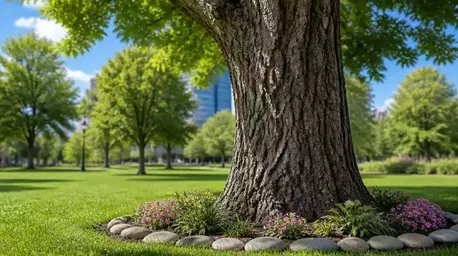
One key aspect of this interaction involves strategic tree placement. When trees are positioned thoughtfully within a landscape, it allows them to thrive, ensuring they receive adequate sunlight, water, and nutrients. This sets the foundation for healthy growth, which directly translates into a lush, vibrant environment that benefits both people and wildlife.
Strategic tree placement is essential for maximizing the health benefits trees provide. By considering their growth patterns and environmental needs, we can create designs that support their vitality. For more insights on this, you might find our guide on tree-friendly landscape design tips particularly useful. Here are some points to consider:
These considerations can lead to improved tree health, which is crucial in urban areas where conditions may not always be ideal. A well-placed tree can also create a microclimate that benefits other plants, animals, and even ourselves!
Did you know that a well-planned tree layout can significantly improve air quality? Trees act as natural air filters, absorbing pollutants and releasing oxygen. When we design landscapes with trees in mind, we enhance their ability to purify the air. Here are some specific benefits of proper tree layout:
By strategically placing trees, we create a more breathable environment while fostering biodiversity. This is something I strive for at Rooted Edge, as I believe in promoting a healthier ecosystem for everyone!
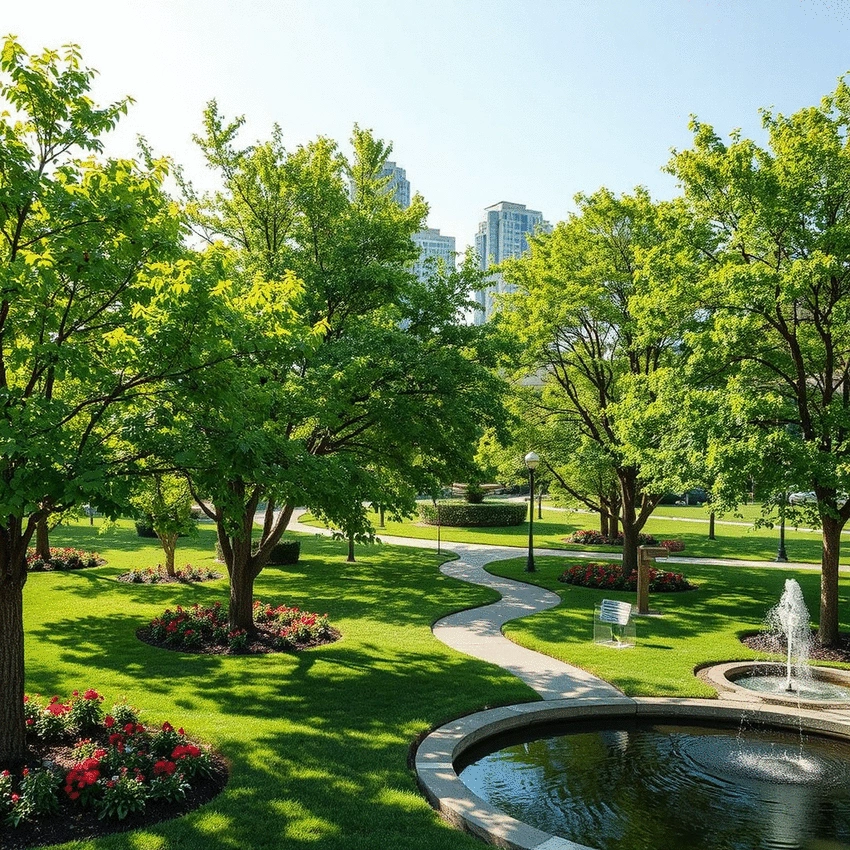
Urban resilience refers to a city’s ability to withstand and recover from challenges, like extreme weather or environmental changes. Trees play a vital role in this resilience. When we connect trees through green corridors or parks, we create a network that supports wildlife and promotes ecological health. Here are some benefits of tree connectivity:
At Rooted Edge, I’m passionate about designing landscapes that incorporate tree connectivity, ensuring our urban environments thrive alongside their natural counterparts! For more information on maintaining these vital green spaces, check out our tree maintenance services.
Healthier trees contribute significantly to our ecosystem, providing a range of benefits that extend beyond their immediate surroundings. As an arborist and landscape designer, I often witness the positive impacts of trees on both mental and physical well-being. Here are some ways healthy trees enrich our lives:
These benefits underline the importance of integrating trees thoughtfully into our landscapes at Rooted Edge. I believe that as we create beautiful designs, we also foster healthier communities.
Studies have shown that being around trees can improve our mood and overall happiness. The calming effects of nature can help reduce anxiety and increase feelings of well-being. Here’s how trees positively impact our mental and physical health:
As I design landscapes, I always consider how trees can enhance the experience of those who use the space. It’s truly rewarding to create areas where people can connect with nature!
The tree canopy plays a crucial role in soil stabilization and pollution reduction. Tree roots anchor the soil, minimizing erosion, while their canopies filter pollutants from the air. This contributes to healthier soil and a cleaner environment. Here are some benefits of tree canopies:
At Rooted Edge, I emphasize the importance of canopy cover in my designs, as it not only beautifies landscapes but also enhances ecological function. For more detailed information, consider reading about enhancing outdoor spaces with canopies.
Carbon sequestration is crucial in combating climate change, and trees are our natural allies in this effort. They absorb carbon dioxide from the atmosphere and store it in their biomass. Here are some points highlighting the importance of carbon sequestration:
I’m passionate about promoting carbon-friendly designs at Rooted Edge, as they are essential to sustaining our planet for future generations!
Biodiversity is vital for supporting tree health. A diverse range of plants and animals can create a more resilient ecosystem, benefiting both trees and the environment. Here’s how biodiversity enhances tree health:
At Rooted Edge, I advocate for biodiversity in landscape design, knowing that a rich ecosystem supports the health of our trees and enhances the beauty of our outdoor spaces!
Did you know that incorporating companion planting can significantly enhance tree health? By planting compatible plants alongside your trees, you can improve soil health, deter pests, and promote biodiversity. For example, planting nitrogen-fixing legumes can enrich the soil, providing essential nutrients for your trees while fostering a thriving ecosystem around them!
As we wrap up our exploration of the relationship between landscape design and tree health, it’s essential to acknowledge the profound impact that thoughtful planning can have on our outdoor spaces. Incorporating trees into your landscape isn't just about aesthetics; it’s about creating a thriving ecosystem that benefits both people and nature. At Rooted Edge, we believe that every tree has a role in enhancing the beauty and health of your surroundings!
In our journey together, we’ve uncovered key principles that promote tree vitality—like strategic placement, understanding soil conditions, and selecting the right species. By integrating these principles into your landscape design, you can foster a more harmonious relationship between your trees and their environment, leading to healthier, more resilient urban landscapes.
Let’s take a moment to highlight some essential strategies for nurturing tree health through landscape design:
By weaving these principles into the fabric of your community landscapes, we can contribute to healthier urban ecosystems that not only look beautiful but also enhance the quality of life for all inhabitants. To learn more about fostering trees in compact areas, read our article on choosing trees for small yards.
Are you ready to embark on a journey that prioritizes tree health in your landscape? At Rooted Edge, we’re here to support you every step of the way! Whether you’re a homeowner looking to create a serene outdoor retreat or a professional seeking to enhance community spaces, our expertise in arboriculture and landscape design can make a difference.
Here are a few ways you can get started:
Let’s cultivate beautiful outdoor environments that celebrate the vital role of trees. Together, we can enhance the health of our landscapes and contribute positively to our communities! Reach out to us today, and let’s get started on this rewarding journey.
Here is a quick recap of the important points discussed in the article:
By Elena Whitmore / Sep 19
By Elena Whitmore / Sep 12
By Elena Whitmore / Sep 03