Eco-Friendly Landscaping Practices Explained
By Elena Whitmore / Sep 19
Did you know that incorporating native trees into your landscape design can significantly enhance both the beauty of your environment and its ecological health? Understanding the role of native trees is essential for anyone looking to create sustainable outdoor spaces. Here’s what you will learn about the importance of these trees and how to integrate them effectively into your landscape.
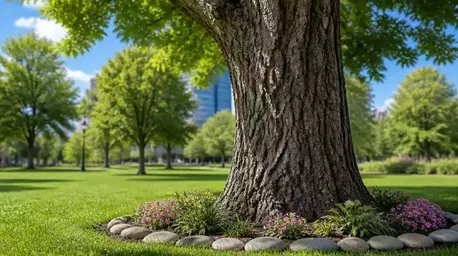
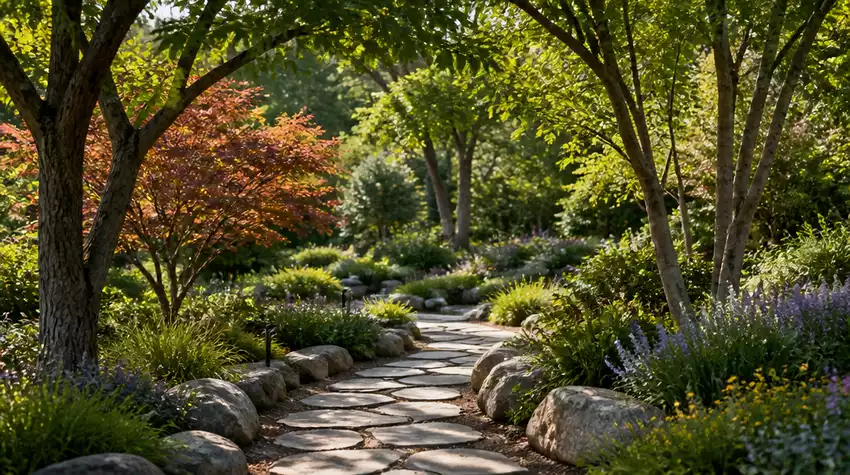
Integrating native trees into your landscape design brings numerous advantages that enhance both aesthetics and ecological health. Below are the main benefits represented visually, contributing to a more sustainable and vibrant outdoor space. Learn more about designing landscapes with trees to maximize these advantages.
Native trees support local wildlife, including birds, insects, and mammals, creating vibrant ecosystems.
These trees are naturally suited for local conditions, making them more resilient to extreme weather.
With their natural adaptations, native trees often require less water and fewer fertilizers, reducing upkeep time.
Many creatures depend on native trees for food and shelter, contributing to a healthier ecosystem.
Through photosynthesis, these trees absorb carbon dioxide and release oxygen, benefiting our environment.
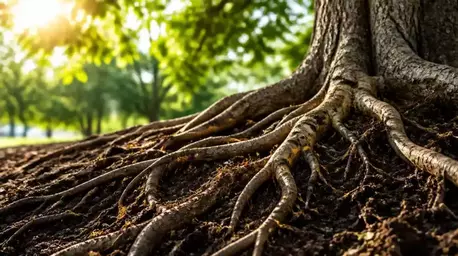
Their robust root systems help stabilize the soil, reducing erosion and promoting water retention.
When we talk about native trees, we mean those species that naturally grow in a specific region, having adapted to the local climate, soil, and wildlife. These trees play a crucial role in the ecosystem, not only offering beauty to our landscapes but also serving as homes for various wildlife. Their presence is vital—it supports biodiversity and creates a balanced environment.
Incorporating native trees in landscape architecture is like adding a natural thread to the fabric of your outdoor space. By choosing trees that belong to your region, we ensure that they thrive, requiring less intervention and care. This connection between local flora and their environment fosters a deeper appreciation for nature and enhances the ecological health of our landscapes! For additional insights, consider reading about eco-friendly landscaping benefits for homeowners.
Integrating native trees into your landscape design brings a wealth of advantages. Here are just a few benefits you can expect:
In my experience at Rooted Edge, I’ve seen firsthand how these benefits come together to create stunning, sustainable outdoor spaces. By choosing native trees, we not only enhance the beauty of our gardens but also foster a thriving ecosystem. It's a win-win for both homeowners and the environment!
Choosing the right native tree starts with understanding your site conditions. Here are the main factors to evaluate:
By carefully assessing these conditions, you can ensure that the native trees you select will not only survive but thrive in your landscape. At Rooted Edge, we emphasize this preliminary step to maximize the success of your planting efforts! This approach is vital for enhancing tree health through design.
Native trees do more than just beautify our landscapes; they also provide essential ecological functions. For instance, they:
Incorporating native trees into your landscape is not just a design decision; it's an investment in the future health of your local ecosystem. As a landscape designer, I find it rewarding to see how these trees create a positive ripple effect in our environment.
Urban forestry is becoming increasingly vital in our landscape architecture practices. It focuses on managing and enhancing tree populations in urban areas, contributing to:
At Rooted Edge, we strongly believe in the power of urban forestry. It’s not just about planting trees; it’s about creating sustainable, resilient communities that thrive. When we integrate native trees into our urban landscapes, we build healthier habitats for generations to come!
Here's a brief recap of the key points discussed so far:
A: Native trees are species that naturally grow in a specific region and have adapted to the local climate, soil, and wildlife. They are integral to maintaining local biodiversity and ecological balance.
A: Key benefits include enhancing biodiversity, supporting local wildlife, being naturally adapted to the local climate (making them more resilient), and requiring less maintenance (water, fertilizers) compared to non-native species.
A: Essential considerations include assessing your site's soil type (sandy, clay, loamy), understanding your local climate patterns (temperature, humidity, rainfall), determining moisture levels (drainage), and observing sunlight exposure throughout the day.
A: Native trees provide vital ecological functions such as supporting local wildlife with food and shelter, improving air quality by absorbing carbon dioxide and releasing oxygen, and preventing soil erosion through their robust root systems.
A: Urban forestry involves managing tree populations in urban areas to enhance aesthetics, improve air quality by filtering pollutants, and contribute to climate resilience by mitigating heat islands and improving stormwater management.
As we wrap up our journey into the world of native trees, it’s clear that these incredible plants offer a myriad of benefits when integrated into landscape architecture. From enhancing biodiversity to improving ecological health, native trees play a crucial role in creating sustainable outdoor spaces. At Rooted Edge, we prioritize understanding these ecological roles and design principles, ensuring that every project resonates with both beauty and environmental stewardship.
To recap, here are the main benefits of integrating native trees into your landscape:
Now that you understand the value of native trees, it's time to take action! I encourage you to assess your own outdoor spaces and consider how you can incorporate native trees into your landscape design. Think of the benefits these trees can bring—both for your property and for the local ecosystem. To help you on this journey, Rooted Edge offers resources and tools designed to guide you through planning your native landscape effectively.
Here are some steps to get started:
Engaging with your community can significantly impact the success of native tree initiatives. Native tree nurseries play a pivotal role in promoting biodiversity by providing access to local species that thrive in your area. Supporting these nurseries not only helps local economies but also strengthens the ecological framework of our landscapes.
Here’s why community engagement and native tree nurseries are essential:
Here is a quick recap of the important points discussed in the article:
By Elena Whitmore / Sep 19
By Elena Whitmore / Sep 12
By Elena Whitmore / Sep 03