Eco-Friendly Landscaping Practices Explained
By Elena Whitmore / Sep 19
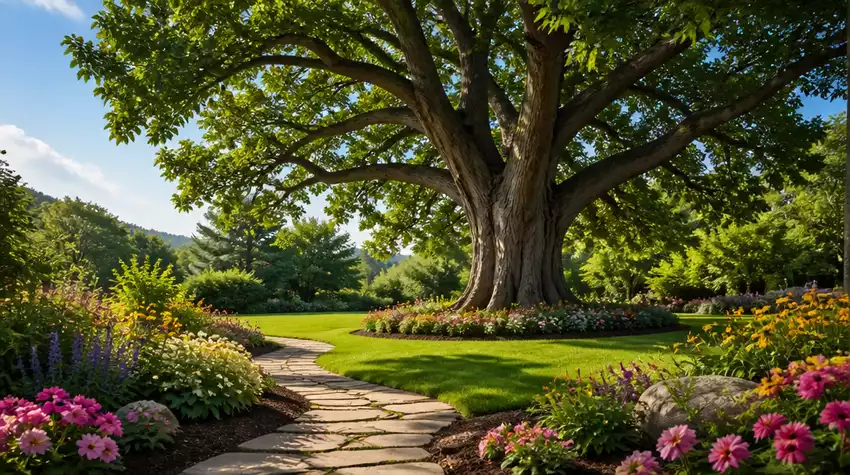
Did you know that incorporating trees as focal points in landscape design can completely transform your garden into a captivating retreat? By thoughtfully selecting and placing these natural marvels, you can create a space that is not only visually stunning but also ecologically beneficial.
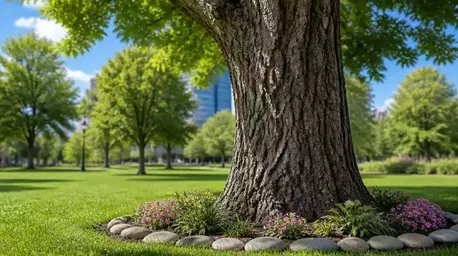
Here are key characteristics that define effective focal points in garden spaces, illustrated below:
The focal point should be easily seen from various angles to draw attention effectively.
It should contrast with its surroundings in color, texture, or height, enhancing visibility.
The element should spark curiosity and invite closer inspection, making it engaging.
When it comes to creating a beautiful garden, understanding the role of focal points is essential. A focal point acts like the star of the show, drawing attention and guiding the viewer's eye through the space. Think of it as a visual anchor that organizes the landscape, making it feel more cohesive and inviting. By identifying strong focal points—like trees—you can transform your outdoor area into a harmonious retreat. For more ideas on how to integrate trees into your design, check out our guide on designing landscapes with trees.
In landscape design, focal points serve multiple functions. They not only create visual interest but also help in establishing a sense of balance within the garden. Trees, in particular, can stand out prominently, providing height and structure, while also contributing to the overall beauty and functionality of the space. When designed thoughtfully, a tree can make your garden feel complete and inviting.
A focal point in garden spaces is any element that captures attention. This could be a striking tree, a beautifully crafted sculpture, or even a vibrant flower bed. The key is to create something that visually stands out against its surroundings. For trees, their size, shape, and seasonal changes can act as natural focal points, enhancing the overall appeal of your landscape.
Here are a few characteristics that define effective focal points:
By ensuring that your focal points embody these traits, you’ll create a garden that feels well-organized and visually stimulating.
Trees play a crucial role in landscape design, acting as both visual centerpieces and anchors within the garden layout. Their towering presence can draw the eye upward, offering a sense of scale and perspective. Additionally, trees can provide essential benefits, such as shade, shelter, and habitat for wildlife, while enhancing the beauty of your outdoor space. To ensure the longevity and health of these vital elements, consider professional tree maintenance services.
Consider the following benefits of incorporating trees as focal points in your landscape:
At Rooted Edge, I believe that selecting the right trees can elevate your landscape from ordinary to extraordinary, creating spaces that thrive in both functionality and beauty.
Here's a brief recap of the key points discussed so far:
In summary, trees play a vital role as focal points in landscape design, serving not only as aesthetic anchors but also as functional elements that enhance the overall beauty of our gardens. By carefully selecting the right species and placing them strategically, we can transform outdoor spaces into inviting sanctuaries. Remember, trees are not just plants; they can make a statement and define the character of your landscape!
As we've discussed, integrating trees into your design doesn’t just beautify a garden; it also contributes to ecological health. By focusing on tree selection and placement techniques, you can create a visually appealing layout that invites admiration and engagement. For further reading on this topic, explore more about enhancing tree health through design.
Now that you have the tools to elevate your landscape, I encourage you to dive in and apply these strategies in your own gardens. Whether you're planting a vibrant Japanese Maple or a sturdy Oak, each tree can tell a story! Don't hesitate to share your experiences or even photos of your focal points with us at Rooted Edge. Let's celebrate the beauty of trees together!
If you’re ready to take your passion for gardening to the next level, consider researching more about tree species that fit your vision. Planning your landscape design can be a rewarding process! If you have larger projects in mind, consulting a professional like myself at Rooted Edge can ensure that your design is not only beautiful but also sustainable. Discover more about eco-friendly landscaping benefits for homeowners.
As we embrace more sustainable practices, it’s exciting to see how landscape design trends are evolving. Concepts like urban forestry and green infrastructure are becoming increasingly popular, leading to healthier ecosystems and more inviting public spaces. At Rooted Edge, we believe that integrating these practices can significantly enhance not only the beauty of our environments but also their resilience.
By keeping up with these trends, you can create a landscape that’s not only visually stunning but also beneficial for our planet! Let’s work together towards creating beautiful, sustainable outdoor environments that we can all enjoy. For those interested in year-round care, check out these year-round tree care tips.
Here is a quick recap of the important points discussed in the article:
By Elena Whitmore / Sep 19
By Elena Whitmore / Sep 12
By Elena Whitmore / Sep 03