Eco-Friendly Landscaping Practices Explained
By Elena Whitmore / Sep 19
What if the very roots of your trees are silently destroying your beautiful patios and walkways? Understanding the dynamics between tree roots and hardscaping is crucial for any homeowner looking to maintain both aesthetics and safety in outdoor spaces. Let's delve into the essential insights that can enhance your landscape planning and management.
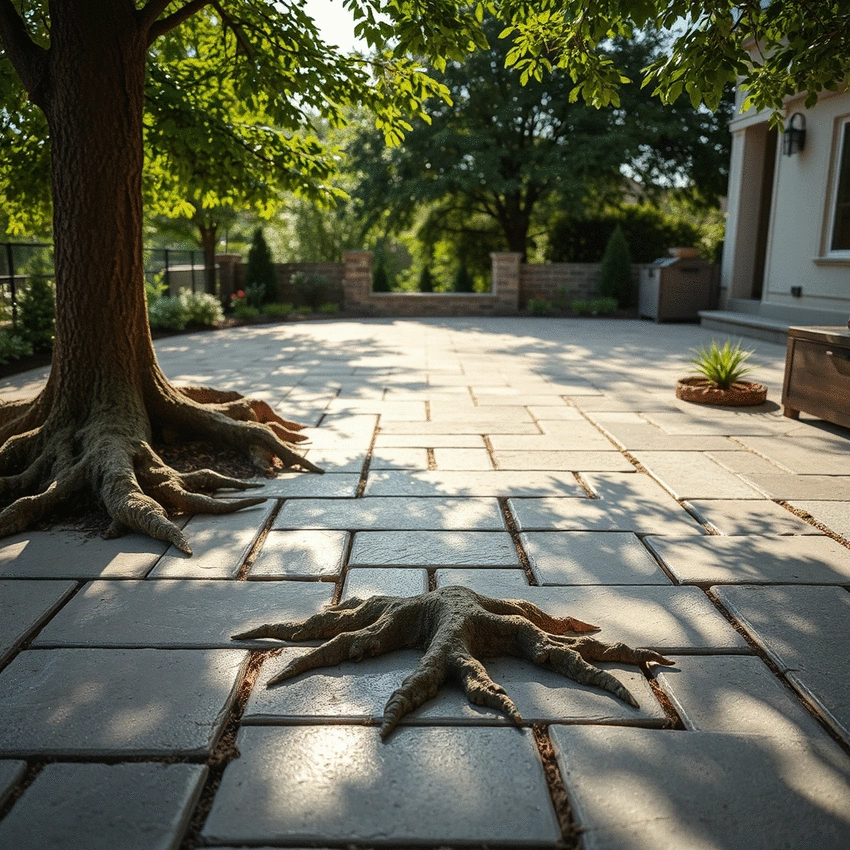
The significant issues caused by tree roots beneath hardscaping include uneven surfaces, buckling, and instability. Here’s a visual representation of these challenges.
Roots pushing against the ground can create bumps or dips in patios.
Roots can distort the materials of pathways, leading to structural issues.
Weakening the foundation of walkways can make them unsafe for foot traffic.
Urban environments shape how tree roots grow, often causing them to push through sidewalks and patios.
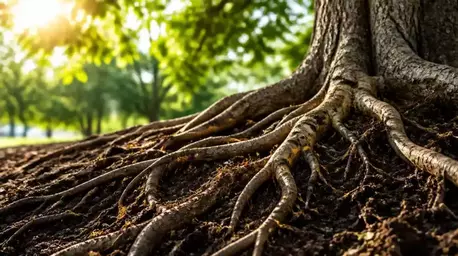
Tree roots are like the hidden architects of our outdoor spaces. They grow beneath the surface, exerting pressure that can lead to uneven surfaces, buckling, and instability. This is especially true for patios and walkways, where the weight of the structure combined with the natural growth of tree roots can create significant issues. Understanding this dynamic is crucial for anyone looking to create a beautiful and functional outdoor area.
As a passionate arborist and landscape designer, I've seen how shallow roots can wreak havoc on hardscaping. They often spread out near the surface, searching for nutrients and water, causing the ground to shift. This pressure can lead to cracks in the pavement and unsafe walking conditions, making it essential to recognize the impact trees can have on your carefully laid stonework.
So, how exactly do tree roots cause damage? The mechanisms are fascinating yet straightforward. As roots grow and expand, they can exert force on nearby structures, leading to issues such as:
By understanding these mechanisms, homeowners can make informed decisions to protect their investments. Remember, a little foresight can go a long way in maintaining both the beauty and safety of your outdoor spaces!
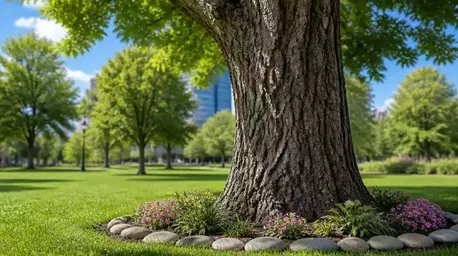
Urban environments significantly shape how tree roots grow and behave. With limited space and compacted soil, roots often struggle to expand freely. This creates unique challenges for hardscaping. In cities, roots may push their way through sidewalks or patios to find room, leading to damage that can be costly to repair.
Some key factors that influence tree root behavior in urban settings include:
As we delve into the beauty of urban landscaping, it's essential to consider how our choices can affect the health of trees and the integrity of our hardscapes. For more insights on urban tree care, explore our article on urban tree care tips.
Soil compaction is another significant factor that affects root structures. When soil is compacted, it restricts root growth, making it challenging for trees to thrive. Compacted soil can lead to a lack of oxygen and nutrients, which, in turn, forces roots to grow closer to the surface in search of better conditions.
To combat soil compaction, consider these approaches:
By addressing soil compaction, we not only support our trees but also mitigate potential damage to our patios and walkways, creating a balanced environment that thrives.
Did you know? Regularly assessing and managing the soil quality around your trees can help mitigate root damage to patios and walkways. Implementing practices such as composting and organic mulching not only nourishes the soil but also encourages deeper root growth, keeping them away from your hardscaping.
Maintaining the integrity of your patios and walkways is not just about initial design; it’s also about ongoing care. At Rooted Edge, I believe that a proactive approach to root management can significantly enhance the longevity of your outdoor spaces. One of the best practices is to incorporate a regular schedule for root pruning, which helps in keeping the roots in check and minimizes damage.
Setting up a practical root pruning schedule can make a world of difference. I recommend pruning during the late winter or early spring when trees are still dormant. This timing ensures minimal stress on the tree while allowing you to maintain a healthy root structure. Here are some guidelines to consider:
Choosing the right materials for your patios and walkways is crucial not only for aesthetic appeal but also for the health of your trees. At Rooted Edge, we emphasize the use of eco-friendly materials that are designed to be root-friendly. This means selecting components that can endure root pressure while supporting the environment.
Some of the best options include:
Utilizing these materials not only supports the health of your trees but also enhances the overall beauty of your outdoor spaces. For more information on sustainable practices, consider reading our article on eco-friendly landscaping benefits for homeowners.
Soil erosion is a common issue that can affect both trees and hardscaping. I often see how the wrong drainage solutions lead to problems for homeowners, especially when roots become exposed. However, with proper management techniques, you can protect your landscape from erosion while maintaining the beauty of your outdoor areas.
Here are some effective techniques to manage soil erosion:
Implementing these solutions not only preserves the integrity of your patios but also promotes a healthier environment for your trees. For comprehensive tree care, explore our tree maintenance services.
When tackling challenges related to tree roots and hardscaping, it’s beneficial to engage with experts in the field. At Rooted Edge, I always encourage clients to seek out professional advice tailored to their specific needs. By integrating quotes from seasoned arborists or testimonials from satisfied customers, you can establish a sense of authority and trust in your landscaping decisions.
Consider adding insights from professionals, like:
Real-life experiences shared by your community can also guide your choices, making it easier to navigate potential pitfalls. For further reading, check out our article on designing landscapes with trees.
As you embark on the journey of designing your outdoor spaces, you may have questions about how to effectively manage tree roots in relation to patios. Here are some common questions I encounter:
Addressing these FAQs can ease concerns and empower homeowners to make informed choices about their landscaping projects.
In summary, adopting a proactive approach to root management is essential for maintaining the health and beauty of your patios and walkways. By integrating strategies like proper root pruning, eco-friendly materials, and effective drainage solutions, you can create outdoor spaces that coexist beautifully with trees. Remember, at Rooted Edge, I’m here to help guide you through these choices!
Don’t hesitate to reach out for personalized advice tailored to your unique landscaping challenges. Together, we can cultivate a balanced and stunning outdoor environment!
Here is a quick recap of the important points discussed in the article:
By Elena Whitmore / Sep 19
By Elena Whitmore / Sep 12
By Elena Whitmore / Sep 03