Eco-Friendly Landscaping Practices Explained
By Elena Whitmore / Sep 19
"Did you know that urban trees are not just aesthetic enhancements but vital components of our ecosystems? Understanding their challenges is essential for their survival and the overall health of our urban environments."
Recognizing the challenges that urban trees face is key to their care. Below are the primary stress factors affecting their vitality.
Air and soil pollution inhibit photosynthesis and root health, leading to stunted growth.
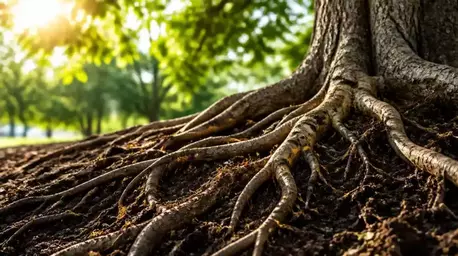
Heavy foot traffic and construction can compact soil, limiting root development.
Trees often have restricted root zones due to pavement and infrastructure, leading to nutrient deficiencies.
Increased temperatures due to concrete and asphalt can stress trees and increase water demand.
Urban environments can be breeding grounds for pests and diseases, threatening tree health.
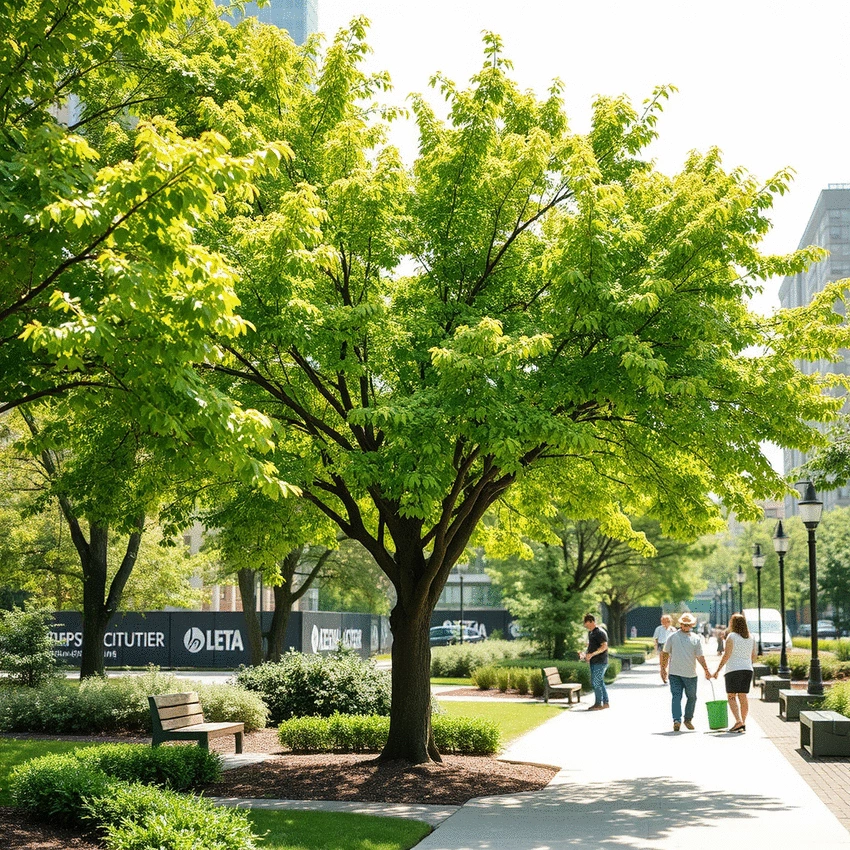
Urban trees are essential elements in our cities, offering shade, enhancing beauty, and supporting wildlife. Yet, these trees face unique challenges that can threaten their health and vitality. As an arborist and landscape designer at Rooted Edge, I’ve seen firsthand how various stress factors can affect urban trees, and it's crucial for residents to recognize these challenges to ensure the longevity of their leafy companions.
By identifying the common stressors, we can take proactive steps to mitigate their effects. Understanding the specific circumstances in urban environments is vital for fostering healthier trees. Let’s explore some primary factors that stress urban trees! For more in-depth information, consider exploring resources on tree maintenance services.
Urban trees encounter numerous stress factors that can hinder their growth and survival. It's essential to be aware of these challenges to provide proper care. Here are some common stress factors affecting urban trees:
Pollution is one of the most significant challenges facing urban trees. Air pollutants, such as sulfur dioxide and nitrogen oxides, can damage leaves and hinder photosynthesis. Additionally, contaminated soil can affect root health, leading to stunted growth or even tree mortality. It's like asking a tree to breathe through a straw! By reducing pollution, we can help trees thrive.
To combat pollution, consider planting native species that are more resilient to urban stressors. These trees often have adaptations that enhance their ability to cope with challenging environments. It’s a small yet impactful way to contribute to the urban ecosystem, especially when considering designing landscapes with trees.
Soil compaction occurs when the soil is compressed, making it difficult for roots to access water and nutrients. This is especially common around sidewalks, roads, and high-traffic areas. As a passionate advocate for safe root management at Rooted Edge, I emphasize the importance of maintaining soil health for trees. Compacted soil can lead to shallow root systems, making trees more vulnerable to stress.
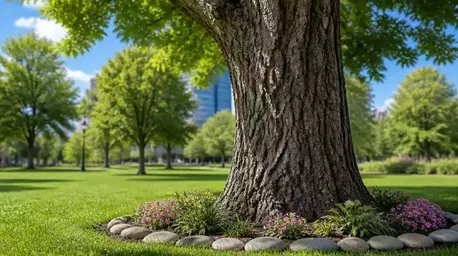
To alleviate soil compaction, consider installing permeable pavements or creating tree wells that allow roots to spread and breathe! This way, you help your urban trees flourish despite the challenges.
In urban settings, trees often struggle with limited root space due to surrounding structures and hardscape. Trees need room to grow their roots, which can extend far beyond their canopy. When roots are confined, it can lead to nutrient deficiencies and instability. Imagine trying to grow a giant sunflower in a tiny pot—it's not going to thrive!
When planning for tree planting in urban spaces, it’s essential to consider suitable locations that provide enough space for roots to develop. This means avoiding areas heavily paved or enclosed by buildings. Your trees will thank you for it, and you can learn more about managing tree roots by sidewalks to prevent damage.
The urban heat island effect is a phenomenon where urban areas experience higher temperatures than their rural surroundings. Concrete and asphalt absorb heat, creating a warm environment that can stress trees. Higher temperatures can lead to increased water demand, leaving trees susceptible to drought.
To mitigate this effect, planting trees that provide shade and using reflective materials for hardscapes can help cool urban areas. This not only benefits trees but also enhances community comfort during hot summer days!
Urban trees are at risk of various diseases, often exacerbated by stress factors unique to city life. Fungal infections, pests, and bacterial issues can spread quickly in densely populated areas. Keeping an eye on tree health is essential; the sooner we identify issues, the better chance we have at saving our trees.
Regular monitoring and consulting with an arborist, like those at Rooted Edge, can help identify and treat tree diseases early on. Remember, an ounce of prevention is worth a pound of cure! For tips on maintaining tree health around hardscapes, check out our guide on tree care around hardscapes.
Here's a brief recap of the key points discussed so far:
Understanding the importance of tree care in urban settings is essential for preserving our green spaces. Healthy trees not only enhance the beauty of our neighborhoods but also contribute significantly to our overall well-being. By taking a proactive approach to tree care, we can ensure that our urban environments continue to thrive.
As an arborist with years of experience, I can attest to the numerous benefits that healthy trees bring to urban spaces. They provide shade, improve air quality, and even increase property values. Investing time and resources into tree maintenance is a decision that pays off in many ways, and it’s a step we can all take to enhance our surroundings.
When it comes to urban living, trees are invaluable assets. They create more than just pleasant aesthetics; they serve as vital components of our ecosystems. Here are some of the key benefits of prioritizing tree health:
At Rooted Edge, we believe that taking care of our trees is a community effort. When residents engage in tree care, they not only foster better ecosystems but also strengthen their connection to nature and one another.
Healthy trees support the balance of urban ecosystems, offering a myriad of benefits. Here’s a deeper dive into their advantages:
Ultimately, trees are critical for creating vibrant and sustainable urban landscapes, which is why every effort to care for them is significant.
Community involvement is vital for urban tree stewardship. When people come together to care for their local trees, they amplify the positive effects on their environment. Here are some ways to encourage engagement:
As part of our mission at Rooted Edge, we strive to educate and inspire community members to take action. Together, we can cultivate a culture of stewardship that benefits everyone.
Urban trees are not just decorative; they play a crucial role in environmental sustainability. By integrating green infrastructure, we can enhance our cities' resilience. Some key environmental benefits include:
These benefits demonstrate how vital trees are to our urban ecosystems. By caring for our trees, we’re investing in a healthier planet for future generations.
Utilizing local tree care services can greatly enhance the health of urban trees. Working with professionals not only ensures proper care, but it also connects you with valuable resources and expertise.
At Rooted Edge, we are committed to providing comprehensive tree care solutions, helping you navigate the challenges of urban forestry. Engaging with us means you're not just hiring a service; you’re partnering with knowledgeable advocates for tree health.
For tree care services, having a robust online presence is essential. To reach more clients, consider optimizing your local SEO. Here are some effective strategies:
By focusing on local SEO, you can ensure that your tree care business stands out in a crowded market, making it easier for clients to find you and trust your expertise.
Optimizing your Google Business Profile is a great way to enhance your online presence. Here’s how to do it effectively:
These steps can help potential clients see the value you offer and increase their likelihood of choosing your services.
As urban tree care becomes more important, many people have questions. Let’s address some common inquiries:
Stressed trees may show various symptoms, such as yellowing leaves, premature leaf drop, or stunted growth. If you notice these signs, it’s essential to take action to restore their health.
In small spaces, focus on choosing the right tree species, ensuring proper watering, and utilizing mulch to conserve moisture. Regularly checking for pests will also help keep your tree healthy!
Arborists are specialists who assess tree health and provide professional care. They can help with pruning, disease management, and planting, making them invaluable to urban forestry efforts.
Urban trees are crucial for environmental sustainability. They improve air quality by filtering pollutants, help regulate temperatures, provide essential habitats for urban wildlife, and contribute to stormwater management by absorbing rainfall.
The urban heat island effect is a phenomenon where urban areas experience higher temperatures than surrounding rural areas due to concrete and asphalt absorbing and retaining heat. This can stress urban trees and increase their water demand.
Soil compaction, often caused by heavy foot traffic and construction, reduces the space available for roots to grow and makes it difficult for trees to access water and nutrients. This can lead to shallow root systems and make trees more vulnerable to stress and nutrient deficiencies.
As we wrap up, it's essential to think about how we can all contribute to the health of urban trees. Encouraging tree stewardship is a call to action for both residents and businesses alike.
At Rooted Edge, we believe that everyone has a role to play in nurturing our urban trees. Together, we can create healthier, greener cities for all to enjoy!
Here is a quick recap of the important points discussed in the article:
By Elena Whitmore / Sep 19
By Elena Whitmore / Sep 12
By Elena Whitmore / Sep 03