Eco-Friendly Landscaping Practices Explained
By Elena Whitmore / Sep 19
As cities continue to grow and our natural ecosystems face increasing challenges, the importance of tree care in landscape design is more critical than ever. How can a single tree influence the environment, aesthetics, and even property values? This article explores those very connections and more, revealing the multifaceted benefits of trees in our lives.
Understanding the multifaceted advantages of tree care highlights its importance in landscape design:
When it comes to creating a beautiful outdoor space, tree care is essential. As an arborist and landscape designer, I've seen firsthand how the thoughtful integration of trees into landscape design can elevate both the aesthetic appeal and ecological health of our environments. At Rooted Edge, we understand that trees are not just decorative elements; they play vital roles in maintaining the balance of our ecosystems. For more on this, consider exploring our insights on designing landscapes with trees.
From soil stabilization to providing habitats for wildlife, trees contribute significantly to the environment. Their presence enhances our lives in ways we often overlook, making it crucial to prioritize their care and maintenance in any landscape design project. Let's explore the many ways trees impact our surroundings and the importance of caring for them.
Trees are like the lungs of our planet, providing essential functions that we often take for granted. They stabilize soil, improve air quality, and support countless forms of wildlife. Understanding these roles can help us appreciate why we must integrate proper tree care into our landscape designs.
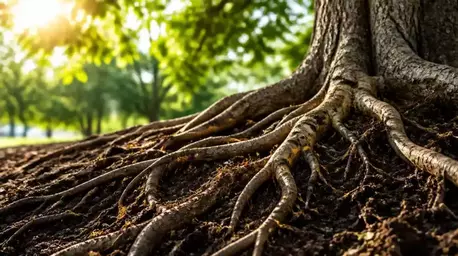
One of the key benefits of trees is their ability to stabilize soil through their root systems. This not only prevents erosion but also promotes healthy soil structure. Here are a few ways trees contribute to soil health:
Have you ever taken a deep breath and felt refreshed in a forest? Trees absorb carbon dioxide and release oxygen, purifying the air around us. They also provide essential habitats for various species, maintaining biodiversity. Here are some additional benefits:
As climate change becomes a pressing issue, trees play an increasingly important role in carbon sequestration. By absorbing carbon dioxide, they help mitigate the effects of climate change. This aspect of tree care is crucial for sustainable landscape design. Key points include:
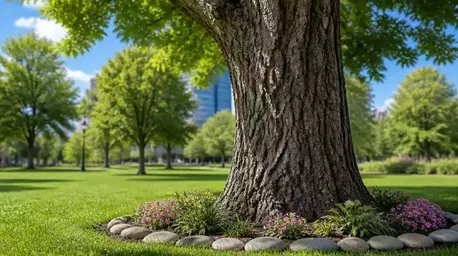
Beyond their environmental benefits, trees enhance the beauty and functionality of our outdoor spaces. At Rooted Edge, I firmly believe that thoughtful planting can transform a landscape. Whether you're looking to increase curb appeal or create a private retreat, trees can be your best allies.
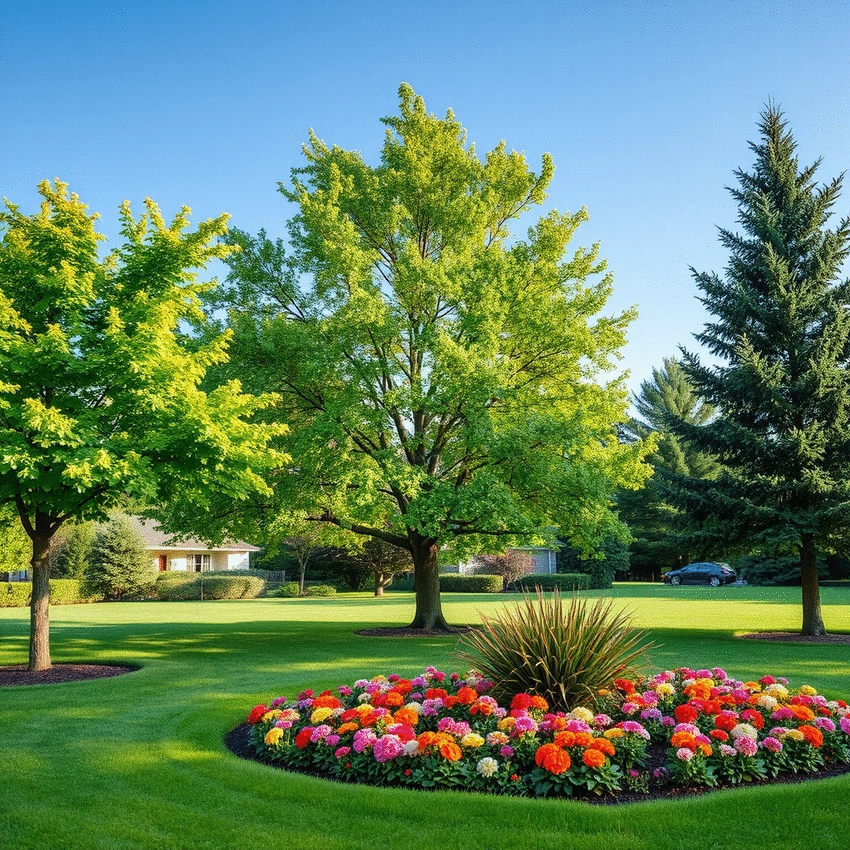
Strategic tree planting can dramatically elevate the first impression of your home. Here’s how to approach it:
Who doesn’t love a shady spot on a hot day? Trees can provide relief from the sun and create cozy, private spaces in your yard. Think about:
Color is a powerful design tool, and trees can add a vibrant palette to any landscape. By understanding color theory, you can select trees that enhance the overall aesthetic. Some considerations include:
To enjoy the benefits of trees, regular maintenance is key. At Rooted Edge, I emphasize the importance of tree care practices that ensure their longevity and health. By implementing best practices, you can protect your investment in your landscape. For comprehensive information on maintaining tree health and managing potential risks, review our guide on tree maintenance services.
Pruning is crucial for the health of your trees. It encourages growth and helps prevent diseases. Here are some essential techniques:
Just like us, trees need proper nutrition and hydration. Understanding their specific needs can help maintain tree health. Remember to:
Assessing tree health and risk is vital, especially in urban environments. It helps prevent accidents and promotes safety. Here’s how:
Embracing sustainability in your landscape design can lead to thriving outdoor spaces for years to come. At Rooted Edge, we advocate for practices that not only enhance beauty but also ensure ecological balance. Here are some strategies to consider:
Using native tree species is a smart choice for sustainable landscaping. They are naturally adapted to local conditions and support native wildlife. Key benefits include:
Creating corridors of greenery not only beautifies your environment but also enhances ecological health. Strategies include:
Green infrastructure can manage stormwater and enhance urban environments. Incorporating trees into this design supports both aesthetics and functionality. Consider these elements:
Investing in tree care can significantly boost your property value. It's a return on investment that's hard to overlook! Here’s what to keep in mind:
By carefully planning your landscape with trees, you can save on energy and maintenance costs. Consider these factors:
Property with well-maintained trees typically sells for more. The value of your home can be influenced by well-placed trees. To maximize value:
In urban areas, a healthy tree canopy can increase property values significantly. The presence of trees creates a more appealing environment. Here's the impact:
As we delve deeper into the importance of tree care, it's essential to address common questions. Awareness helps homeowners make informed decisions regarding their outdoor spaces. Here are some frequently asked questions:
Knowing when to seek professional help can save you time and money. Here’s a quick guide:
Tree diseases and pests can devastate your landscape if not managed properly. Understanding these threats is crucial. Here are some insights:
Healthy trees start with healthy soil! The soil provides essential nutrients that trees need to thrive. Remember these key points:
By embracing tree care in landscape design, we can create outdoor spaces that are not only beautiful but also thriving ecosystems. Let's continue to explore how trees impact our lives and the best ways to care for them!
As we dive deeper into the significance of tree care, we want to hear from you! How do you approach tree care in your landscape? Share your thoughts below:
As we explore the intricate relationship between tree care and landscape design, it becomes clear that trees are not just beautiful additions to our outdoor spaces; they play a crucial role in the environment. At Rooted Edge, my mission is to emphasize that proper tree care is essential for achieving a sustainable and thriving landscape. By focusing on effective tree management, we can ensure a harmonious blend of nature and design that benefits both homeowners and the ecosystem.
In this summary, I want to highlight the multifaceted benefits of tree care. These benefits span across environmental, aesthetic, and economic aspects, demonstrating how trees contribute to the overall success of your landscape. Remember, investing in the health of your trees is an investment in the vitality of your outdoor space!
Let's take a moment to reiterate the most important points regarding tree care:
By focusing on sustainable landscaping practices, we can create environments that not only look good but also sustain the health of our planet. The interplay between trees and landscape design is profound, and understanding this relationship is key to making informed decisions. For more detailed information on sustainable practices, consider reading about sustainable tree care for homeowners.
When we prioritize tree care, we inherently embrace sustainability. By choosing native species and integrating green infrastructure, we can cultivate landscapes that endure over time. My experience at Rooted Edge has shown me that when homeowners take the time to understand their trees' needs, they create beautiful sanctuaries that thrive alongside the ecosystem.
Let’s not forget that every tree planted is a step towards a greener future! Engaging in practices that support tree health fosters a more resilient landscape, ultimately benefiting everyone in the community.
The value of trees extends beyond individual properties; they enhance community aesthetics and well-being. By creating spaces filled with greenery, we invite not just beauty but also engagement from our neighbors. Trees can soften urban environments, making them more livable and enjoyable.
At Rooted Edge, we often hear from clients who share how their landscapes have transformed into gathering spots for friends and family, all thanks to well-planned tree placements. Isn’t it amazing how a tree can serve as a focal point for connection and enjoyment? This is especially true when considering how to handle managing tree roots by sidewalks to preserve both aesthetics and infrastructure.
Urban forestry plays a significant role in enhancing community health. Trees contribute to lower temperatures, improved air quality, and increased biodiversity. By fostering these green spaces, we can combat urban heat islands and provide essential habitats for local wildlife.
Just think about it! Every tree we nurture not only beautifies our surroundings but also supports a healthier community. This interconnectedness is why I am so passionate about integrating tree care into every landscape project at Rooted Edge.
Now that we've explored the importance of tree care, I encourage you to reach out for professional tree care services. Whether you have questions about maintaining your current trees or planning for future plantings, expert advice can make all the difference! You don't have to navigate this journey alone.
It's time to take action! Let’s work together to implement sustainable practices in your landscape design. Connect with us at Rooted Edge for tailored solutions that focus on both aesthetics and the health of your outdoor environment. Together, we can cultivate thriving spaces that benefit us all.
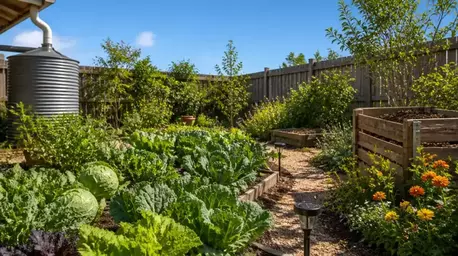
As you embark on your landscaping journey, consider how you can incorporate sustainable practices into your plans. Here are some ideas to get you started:
By adopting these practices, you not only enhance the beauty of your property but also contribute positively to the environment around you. Remember, every small change counts!
Lastly, I invite you to share your tree care experiences! Have you nurtured a favorite tree or encountered challenges in your landscape? Your stories can inspire others and foster a community of shared knowledge. Let's connect and learn from each other!
At Rooted Edge, we believe every tree has a story. Together, let’s make sure those stories thrive for generations to come!
Here is a quick recap of the important points discussed in the article:
By Elena Whitmore / Sep 19
By Elena Whitmore / Sep 12
By Elena Whitmore / Sep 03