Eco-Friendly Landscaping Practices Explained
By Elena Whitmore / Sep 19
Did you know that incorporating native plants into your landscape can significantly reduce your maintenance efforts while enhancing biodiversity? Discover how these plants can transform your garden into a thriving ecosystem.
Integrating native plants into your landscape design offers numerous advantages that promote sustainability and ecological health. Below, you can see a comparison of the key benefits of native plants.
Native plants create essential habitats for local wildlife, thus promoting biodiversity.
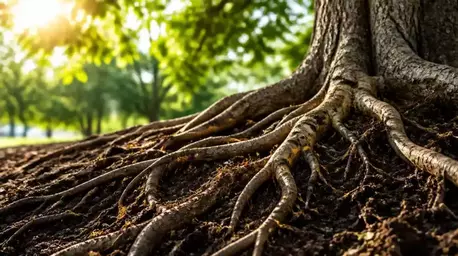
Their deep-root systems enhance soil structure and capture rainfall efficiently, reducing erosion.
Once established, native plants require less water, fertilizers, and pesticides, saving time and costs.
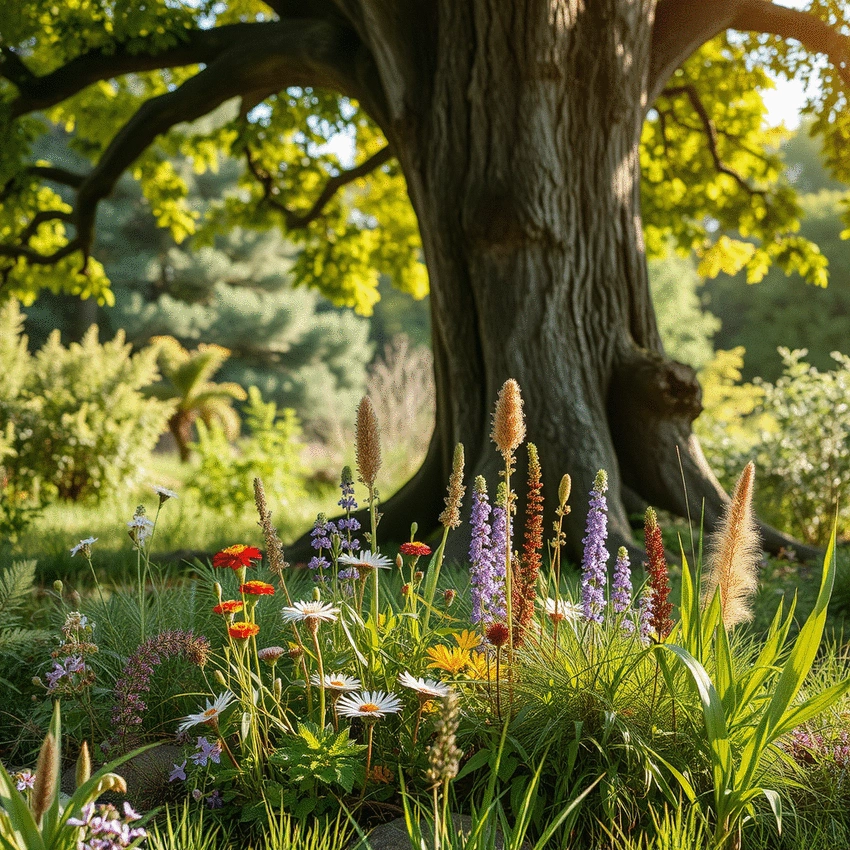
Native flowers attract essential pollinators like bees and butterflies, supporting food production.
When I think about sustainable landscaping, the first thing that comes to mind is the power of native plants. These flora are not just beautiful additions to our gardens; they play a crucial role in creating balanced ecosystems. At Rooted Edge, we believe that integrating native plants into your landscape design is essential for both aesthetics and ecological health.
So, what exactly are native plants? They are species that naturally grow in a specific region without human introduction. This means they are well-adapted to local climate conditions, soil types, and wildlife. By choosing native plants, you’ll be supporting a living tapestry that enhances the beauty and functionality of your outdoor space. For more insights on designing with existing trees, check out our guide on designing landscapes with trees.
Understanding native plants is the first step toward creating a sustainable landscape. These plants have evolved over thousands of years in a specific area, developing unique relationships with local wildlife and ecosystems. Their importance lies in their ability to thrive with minimal intervention, making them perfect for gardens aiming for sustainability.
Incorporating native plants into your landscape can lead to a variety of benefits. For instance, they require less water, fewer chemicals, and significantly less maintenance compared to non-native species. This not only saves you time and money but also reduces your ecological footprint, aligning beautifully with our mission at Rooted Edge.
Choosing native plants for your outdoor environment brings multiple advantages that contribute to a healthier ecosystem. Here are some compelling reasons to consider:
These benefits not only enhance your landscape’s beauty but also contribute positively to the environment. By choosing native plants, you’re taking an important step toward sustainability! To ensure your trees thrive alongside your native plants, consider our expert tree maintenance services.
One of the most significant benefits of native plants is their ability to support biodiversity. When you plant native species, you’re creating habitats that cater to the needs of local birds, insects, and other wildlife. This helps foster a vibrant ecosystem right in your backyard!
Consider creating small pockets of diverse plantings that can serve as sanctuaries for various creatures. This approach not only enriches your landscape but also provides a sanctuary for wildlife that is increasingly losing its natural habitats.
Native plants often have extensive root systems that improve soil structure and enhance its ability to hold water. This means less runoff and better water conservation, which is crucial in our changing climate. By incorporating these plants into your garden, you’re actively promoting a sustainable landscape.
Additionally, their natural adaptability reduces the need for irrigation. This means you can enjoy a vibrant landscape while conserving precious water resources!
Imagine a garden that thrives with minimal effort. That’s the beauty of native plants! Once established, they require less care compared to their non-native counterparts. You’ll spend less time on maintenance and more time enjoying your outdoor oasis.
This low-maintenance aspect not only eases your workload but also reduces your gardening costs over time. Investing in native plants is not just an environmentally friendly choice; it’s also a savvy financial decision.
Creating a pollinator garden filled with native plants is an excellent way to support our fluttering friends! By incorporating colorful flowers that bloom at different times throughout the season, you’ll create a continuous food source for bees, butterflies, and other pollinators.
Consider planting species like milkweed for monarch butterflies or coneflowers for bees. These choices will enhance your garden’s beauty while promoting ecological health! For more tips on maintaining a balanced landscape, you might want to explore sustainable tree care for homeowners.
Native plants offer invaluable ecosystem services that support the environment. They contribute to air and water purification, carbon sequestration, and soil stabilization. By choosing to plant them, you’re not just beautifying your space; you’re making a positive impact on our planet!
At Rooted Edge, we emphasize the importance of these services in creating a landscape that thrives harmoniously with nature. By integrating native plants into your design, you’re fostering a healthier ecosystem that benefits both you and the environment.
Did you know? Incorporating a diverse range of native plants not only enhances the visual appeal of your garden but also strengthens its resilience against pests and diseases. By mimicking natural ecosystems, you create a more balanced environment where beneficial insects can thrive, reducing the need for chemical interventions!
As I dive deeper into the world of native plants, I find that having the right tools and resources can make a huge difference in the success of your landscaping project. At Rooted Edge, we believe in empowering homeowners with practical information that helps them connect with their outdoor spaces. Utilizing specific resources can streamline your journey towards a sustainable landscape that beautifully integrates with your existing trees and environment.
One valuable tool is a zip-code finder that provides region-specific plant recommendations. This ensures that the native plants you choose will thrive in your local climate and soil conditions. By understanding what grows best in your area, you can create a landscape that is not only stunning but also resilient.
A zip-code finder can be a game changer! It helps you identify native plants that are perfectly suited for your location. When you input your zip code, you get a tailored list that considers local conditions such as soil type, moisture levels, and climate. Here’s what to look for:
This helps ensure your landscaping efforts align with the natural ecosystem, ultimately leading to a healthier garden and more sustainable practices.
Visual aids, like infographics, can simplify the process of landscaping with native plants. They break down complex information into easy-to-understand visuals. You can find resources that illustrate best practices for planting and caring for native plants. Here are some types of visual aids you might consider:
These guides can serve as handy references as you plan your outdoor space, promoting confidence and clarity in your decision-making. At Rooted Edge, we also love sharing our favorite planting techniques to help you achieve the best results!
When starting your native plant landscaping journey, sourcing plants from local nurseries and community gardens is essential. Not only do these places offer a variety of native species, but they often provide expert advice on growing and maintaining them. Here are some ways to find these helpful resources:
Building relationships with these local businesses can also yield valuable insights and support, fostering a sense of community around sustainable landscaping practices. For additional guidance on integrating plants with existing structures, check out our article on hardscape and tree care integration.
Engaging with the community can enhance your understanding of native plants and sustainable landscaping. Sharing experiences not only educates others but also allows us to learn from each other's successes and challenges. At Rooted Edge, we love to hear from clients and fellow gardening enthusiasts about their journeys!
Collecting testimonials and case studies on successful native plant landscapes can provide inspiration and ideas for your own projects. Documenting your own experiences or encouraging others to share theirs can form a rich resource of knowledge. Here are a few ways to gather and share these stories:
These stories can motivate others to get involved and appreciate the beauty of native plants in their landscapes.
As interest grows in sustainable landscaping, many people have questions about incorporating native plants near trees. Addressing common concerns can help ease apprehensions and promote better practices. Here are a couple of frequently asked questions:
Native plants are species that naturally grow in a specific region without human introduction. They are crucial for sustainable landscaping because they are well-adapted to local conditions, require less water and maintenance, support local biodiversity, and contribute to soil and water conservation.
Native plants provide essential habitats and food sources for local wildlife, including birds, butterflies, and beneficial insects. By planting native species, you create a thriving ecosystem that supports biodiversity in your backyard.
Yes, once established, native plants typically require significantly less water, fertilizers, and pesticides compared to non-native species. This is because they are naturally adapted to the local climate and soil conditions, making them more resilient and cost-effective to maintain.
A valuable tool is a zip-code finder, which provides region-specific plant recommendations based on your local climate zone, soil type, and moisture levels. Visual aids and infographics can also offer step-by-step planting guides and maintenance schedules.
You can find native plant nurseries by searching online directories, visiting local farmers' markets, or connecting with community gardening groups. Engaging with the community through workshops, social media, and local gardening clubs can also provide inspiration, support, and shared knowledge.
Choosing the right plants for shaded areas can be a challenge, but there are many native options to consider. Species like ferns, trillium, and hostas thrive in low light, providing lush greenery beneath your trees. These plants not only add beauty but also support local wildlife!
Maintaining native plants near established trees requires careful attention. Consider using mulch to retain moisture and suppress weeds, while ensuring you monitor the soil's health. Regular watering, especially during dry spells, will help your plants thrive without competing too harshly with tree roots. For an in-depth look at managing tree roots near hardscapes, explore our article on managing tree roots by sidewalks.
As we move forward in our landscaping journeys, it's crucial to emphasize sustainability in our choices. Native plants not only enhance the beauty of our gardens but also contribute positively to the environment. At Rooted Edge, we believe that every small action counts towards creating a healthier planet!
Incorporating eco-friendly practices into your landscaping projects can be as simple as choosing native plants. Here are a few more sustainable tips to consider:
These practices not only benefit the environment but can also lead to lower maintenance costs and increased enjoyment of your outdoor spaces.
Ready to transform your outdoor space? Take the first step by exploring native plants and sustainable practices that resonate with your vision. At Rooted Edge, we are here to guide you through this rewarding journey. Let’s cultivate a greener future together!
Integrating organic gardening and permaculture principles into your landscaping can create a self-sustaining ecosystem. These methods focus on working with nature rather than against it, leading to healthier landscapes. By prioritizing organic practices and permaculture strategies, you can ensure your outdoor space remains vibrant and thriving for years to come. Let's embrace these principles and watch our gardens flourish! For more on this topic, you can read about eco-friendly landscaping benefits for homeowners.
Here is a quick recap of the important points discussed in the article:
By Elena Whitmore / Sep 19
By Elena Whitmore / Sep 12
By Elena Whitmore / Sep 03