Eco-Friendly Landscaping Practices Explained
By Elena Whitmore / Sep 19
Have you ever thought about how the hard surfaces in your garden affect the trees around them? The integration of hardscape and tree care principles can dramatically enhance your outdoor space, making it not just beautiful but also sustainable. Understanding this relationship is crucial for any landscaping project.
Understanding the advantages of blending hardscape elements with tree care principles can significantly enhance outdoor spaces. Here are key benefits highlighted below:
Creates a visually appealing landscape that feels cohesive.
Structures that respect tree growth promote longevity.
Well-designed landscapes can enhance real estate appeal.
Supports biodiversity and ecological balance.
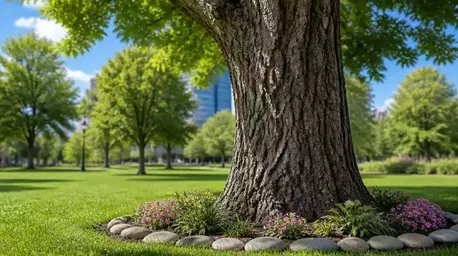
When we think about landscaping, we often picture lush green trees, vibrant flowers, and cozy outdoor spaces. But have you ever paused to consider how the structures we build—like patios and walkways—interact with our trees? At Rooted Edge, we see a beautiful harmony between hardscape and tree care principles that can elevate any outdoor environment. Understanding this connection is essential for creating sustainable and aesthetically pleasing landscapes.
In essence, integrating these elements helps us design spaces that not only look good but also promote the health and vitality of the trees. By acknowledging the importance of both hardscape and tree care, we can achieve an outdoor design that thrives. For more insights, explore our guide to designing landscapes with trees.
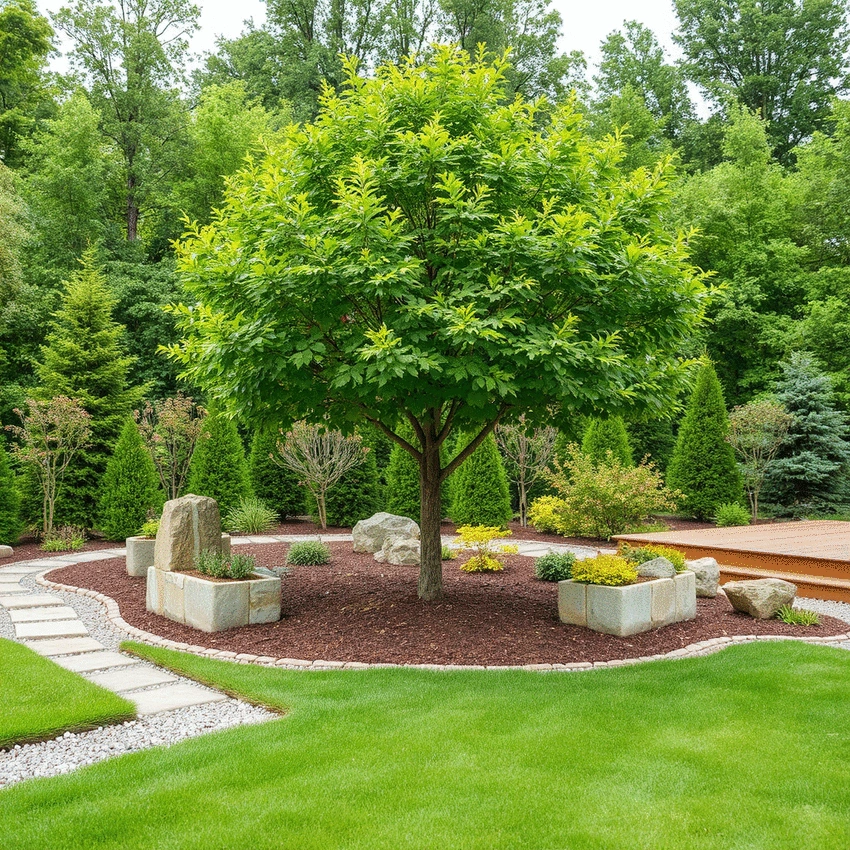
To start, let’s define what we mean by hardscape. Hardscape refers to the solid, non-plant elements of landscaping, such as patios, decks, pathways, and walls. These structures are essential for functionality and provide a sense of order in outdoor spaces. Think of hardscape as the backbone of your garden—supporting everything else that grows around it!
Hardscape encompasses a range of materials and structures used in landscaping, including:
Each of these elements contributes to the overall functionality and aesthetic of your landscape while offering various opportunities for creative design.
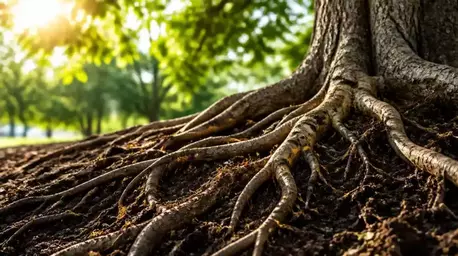
Now, let’s shift our focus to tree care principles. Proper tree care is about ensuring that trees stay healthy, strong, and vibrant. This includes understanding growth patterns, root systems, and the specific needs of each tree species. I often emphasize the importance of respecting trees as living beings that require careful attention.
Integrating these principles into your landscape design ensures that trees can flourish alongside the hardscape elements you create. At Rooted Edge, we believe that a well-planned landscape is one where trees and structures coexist beautifully, enhancing the overall outdoor experience. Learn more about essential tree maintenance services to keep your trees thriving.
Integrating hardscape and tree care is not just beneficial—it's crucial. When these two elements work together, they can enhance both the aesthetics and the functionality of your outdoor space. By designing with trees in mind, we can create environments that are inviting and promote ecological health.
The benefits of merging hardscape and tree care can be profound. Here are a few key advantages:
When we prioritize both hardscape and tree care, we cultivate a space that enhances the beauty and sustainability of our environment.
However, it’s not always smooth sailing! There are challenges that can arise during integration, including:
At Rooted Edge, we believe that acknowledging these challenges allows us to find innovative solutions to create a harmonious balance between hardscape and tree care. Together, we can overcome any obstacles and design beautiful, thriving landscapes! For effective strategies, check out our guide on managing tree roots by sidewalks.
When planning your hardscape, consider using permeable materials such as gravel or permeable pavers. These not only allow for better water infiltration but also encourage root growth by providing more space for trees to thrive without the risk of water pooling around them.
In the world of landscaping, it's natural to have concerns about how hardscape elements can affect your trees. These worries often revolve around the potential risks to tree health and the integrity of your hardscapes. At Rooted Edge, we believe that addressing these common concerns is a vital step in creating a harmonious outdoor environment. Let's delve into some of the key issues and explore how to navigate them effectively!
One of the most pressing issues homeowners face is the conflict between hardscape features and tree roots. Identifying potential risks can help you proactively manage these challenges and avoid costly repairs down the line. Here are some common risks to watch out for:
By recognizing these risks early on, you can implement strategies to minimize their impact. For instance, using permeable materials allows roots to grow more freely while ensuring proper drainage. Additionally, selecting the right location for hardscapes can help avoid disrupting root systems.
Sometimes, the best way to understand how to integrate hardscape and tree care is to look at real-life examples! Here are a few case studies from Rooted Edge that showcase successful outcomes:
These examples illustrate how thoughtful planning can create beautiful, functional spaces that benefit both trees and hardscapes.
When it comes to hardscape and tree care integration, it's essential to weigh the options of hiring a professional versus tackling the project yourself. Each choice comes with its own set of trade-offs, and understanding these can guide your decision-making process.
At Rooted Edge, we encourage homeowners to consider their own skill levels and the project's complexity. Sometimes, a combination of DIY efforts with professional guidance can yield the best results! To ensure healthy growth around your hardscapes, refer to our tips for tree care around hardscaped areas.
If you decide to go the DIY route, you'll need the right tools and resources to make your project successful. Here’s a quick list of essentials to consider:
Don't forget, consulting with an arborist can also offer invaluable insights into tree health and care. Their expertise can be a game-changer when planning hardscape integrations!
Lastly, if you’re serious about tree care, consider getting certified! Arborists not only bring knowledge and experience but can provide you with a tailored approach to integrate trees and hardscapes effectively. They can help ensure your landscape thrives for years to come.
Integrating hardscapes with tree care requires thoughtful planning and attention to detail. By addressing common concerns, considering professional help, and arming yourself with the right tools, you can create a balanced and sustainable landscape. At Rooted Edge, we’re passionate about helping you navigate these challenges and cultivate outdoor spaces that resonate with your unique vision!
As we wrap up, remember that the relationship between trees and hardscapes can be symbiotic. With the right approach, you can enhance both beauty and functionality in your outdoor spaces. So, take a moment to reflect on your goals and how you can achieve them through careful design. For a deeper understanding of planning, consider our insights on root management for hardscaped areas.
We love hearing from our community! If you’ve faced challenges or successes while integrating hardscapes and tree care, share your experiences with us. Your insights could inspire others on their landscaping journey!
If you’re ready to take the next step, don’t hesitate to reach out to us at Rooted Edge. We’re here to provide personalized solutions that meet your needs. Together, we can create landscapes that reflect your style while nurturing the health of your trees.
Here is a quick recap of the important points discussed in the article:
By Elena Whitmore / Sep 19
By Elena Whitmore / Sep 12
By Elena Whitmore / Sep 03