Eco-Friendly Landscaping Practices Explained
By Elena Whitmore / Sep 19
Have you ever wondered how the right combination of hardscape and greenery can transform your ordinary yard into a stunning outdoor oasis? The fusion of these elements not only enhances the beauty of your environment but also promotes sustainability and functionality. Let’s explore the essential insights that can elevate your outdoor spaces!
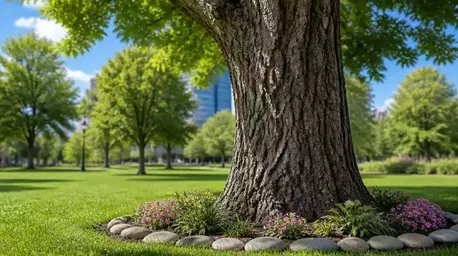
Discover the key advantages of integrating hardscape and green spaces in landscape design. This approach is fundamental to creating harmonious and sustainable outdoor environments, much like understanding tree maintenance services is crucial for healthy trees within your landscape.
Permeable surfaces allow rainwater to seep into the ground, reducing runoff.
Blending plants with hard elements creates habitats for various wildlife.
Thoughtful design makes outdoor spaces usable throughout the year.
Create pathways that are easy to navigate, whether you're walking or rolling.
Incorporate seating that invites relaxation and social interaction.
Use trees or sculptures to draw the eye and create visual interest.
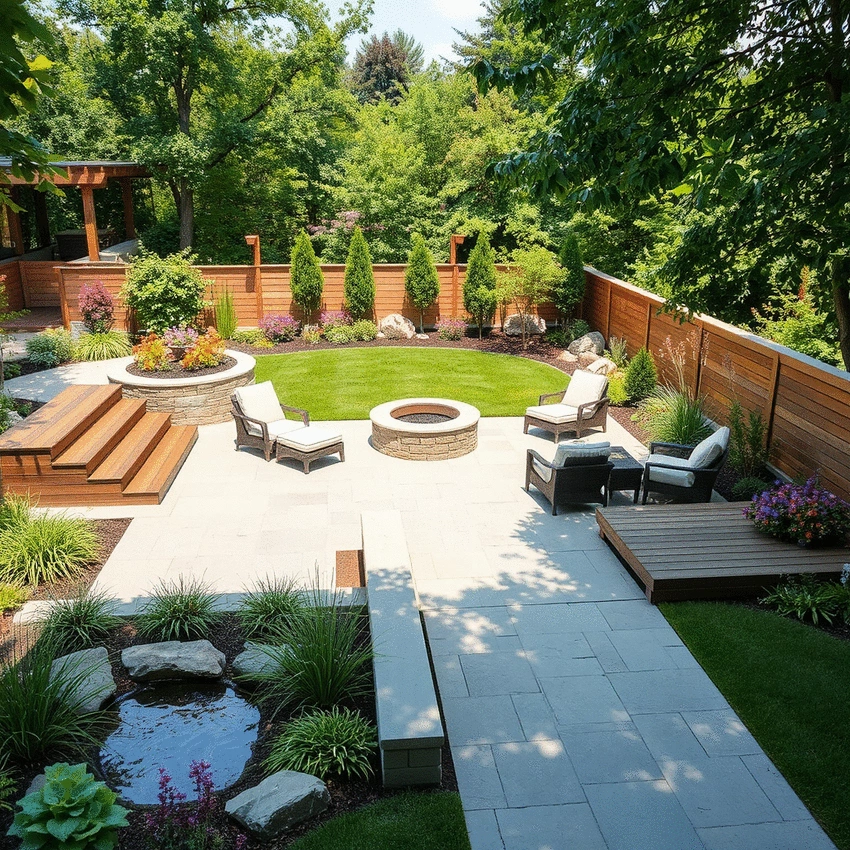
At Rooted Edge, we believe that the harmony between hardscape and greenery can transform an ordinary yard into a stunning outdoor sanctuary. It's not just about aesthetics; it's about creating spaces that function well and look beautiful. Merging these elements can lead to environments where you can relax, entertain, and connect with nature—all in your own backyard!
Why is it crucial to blend hardscape and greenery in landscape design? The answer lies in the benefits this integration offers. When we merge these components, we create a balanced environment that enhances the overall health of the ecosystem. This approach also promotes sustainable practices, which is something I deeply care about and advocate through my work. For more insights on this, consider exploring eco-friendly landscaping benefits for homeowners.
Sustainable integration of hardscape and green spaces brings numerous advantages, including:
These benefits not only improve the aesthetic appeal of your garden but also contribute to the overall health of the ecosystem. As someone who values ecology, it’s rewarding to see how these principles can shape our outdoor environments!
Creating a well-rounded landscape involves both functionality and beauty. When we design outdoor areas, we aim to:
At Rooted Edge, we take pride in our ability to design spaces that are not only beautiful but also functional. Each element serves a purpose, making it a joy to spend time outdoors.
To effectively merge hardscape and green spaces, it’s essential to grasp the principles of landscape architecture. This includes:
By understanding these principles, we can create spaces that not only meet your needs but also respect the environment. It's a beautiful dance between nature and design, and one that I love to engage in with my clients. For more on how to incorporate trees into your landscape designs, read about designing landscapes with trees.
Let’s dive into some exciting hardscape ideas that can elevate your outdoor spaces! These creative solutions not only look great but also support the integration of greenery.
Here's a brief recap of the key points discussed so far:
As we draw our discussion on merging hardscape and green spaces to a close, it’s crucial to reflect on the key points that can transform your outdoor spaces. Embracing a cohesive design approach not only enhances the beauty of your environment but also contributes to sustainability. I encourage you to think about the unique elements you can incorporate, ensuring a seamless blend of nature and human-made structures.
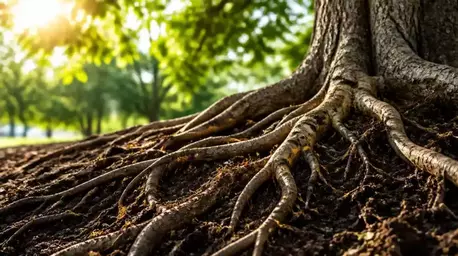
One of the most rewarding aspects of outdoor design is the ability to connect with others and share your vision! At Rooted Edge, we believe in the power of community collaboration. By engaging with your neighbors and local gardening groups, you can inspire shared projects that uplift everyone’s outdoor experience. For advice on managing tree roots near hardscaped areas, see our guide on root management for hardscaped areas.
Wouldn't it be amazing to see how your friends and fellow community members are beautifying their spaces? Encouraging user-generated content is a fantastic way to foster creativity. Here are a few ideas for sharing your outdoor projects:
Creating an inclusive community around sustainable landscaping not only beautifies your area but also promotes environmental responsibility. Consider initiating community workshops on sustainable practices, such as:
By sharing knowledge, we can inspire one another to create greener, healthier spaces!
Incorporating pollinator gardens into your landscaping design serves a dual purpose: they beautify the area and support local wildlife! These gardens attract bees, butterflies, and other pollinators, contributing to a thriving ecosystem. Consider rallying your community around the idea of creating a collective pollinator garden, fostering a sense of teamwork and shared achievement. For more information on how hardscapes and trees can coexist beautifully, check out our article on hardscape and tree care integration.
As we seek to create harmonious outdoor environments, remember that professional guidance can make a significant difference. At Rooted Edge, we’re passionate about helping you navigate the complexities of blending hardscape with greenery. Don't hesitate to reach out for expert support tailored to your specific needs!
Working with professionals can ensure that your vision is realized efficiently and effectively. When looking for help, consider:
With the right guidance, your outdoor space can become a stunning sanctuary.
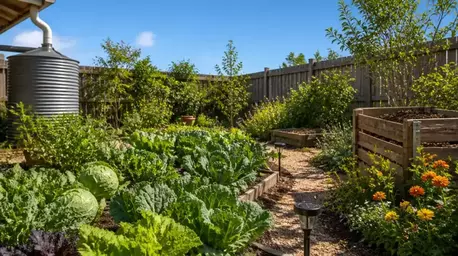
Finally, let’s not forget the impact of our choices on the environment! As we design our landscapes, we should strive to embrace sustainable practices that nurture the earth. By opting for native plants, reducing chemical usage, and utilizing eco-friendly materials, we can create outdoor spaces that are both beautiful and sustainable. Let’s work together to cultivate our yards into thriving ecosystems that benefit all living beings!
Here is a quick recap of the important points discussed in the article:
By Elena Whitmore / Sep 19
By Elena Whitmore / Sep 12
By Elena Whitmore / Sep 03