Eco-Friendly Landscaping Practices Explained
By Elena Whitmore / Sep 19
In the world of landscaping, balancing aesthetics and functionality is crucial. Did you know that improper root management can lead to costly repairs and compromised tree health? Mastering this aspect not only enhances the beauty of your outdoor spaces but also ensures their longevity.
Understanding the critical elements that contribute to effective root management can enhance both tree health and the integrity of hardscaped areas. For more tips on maintaining your trees, consider our comprehensive tree maintenance services.
Knowledge of different species and their root systems helps in planning for minimal disruptions to hardscaped areas.
Adopting various methods such as physical or chemical barriers to manage root growth effectively.
Regular assessments of tree health ensure timely interventions to prevent root-related issues.
Utilizing eco-friendly techniques that promote the health of both trees and surrounding ecosystems.
When it comes to creating beautiful outdoor spaces, one critical aspect that often gets overlooked is safe root management. As an arborist, I understand that the roots of trees are just as important as their branches and leaves. In hardscaped areas, the interaction between tree roots and paving materials can lead to damage and complications if not managed properly.
Effective root management ensures that trees remain healthy while preserving the integrity of your hardscape. At Rooted Edge, we believe that a harmonious balance between these elements is key to achieving a stunning landscape design. When we prioritize the health of the tree roots, we set the foundation for a thriving ecosystem that benefits both the plants and the surrounding environment.
So, what exactly is root management? It involves strategies and practices aimed at controlling tree roots to prevent damage to hardscaped surfaces while ensuring trees can grow and thrive. The significance of root management cannot be understated, as it plays a vital role in maintaining structural integrity and aesthetic appeal in your outdoor spaces. For more information on this, explore our guide on tree care around hardscapes.
By understanding root growth patterns and potential impacts, we can implement effective solutions that protect both trees and hardscape areas. This knowledge leads to better design choices and helps avoid costly repairs down the line. Key factors in root management include:
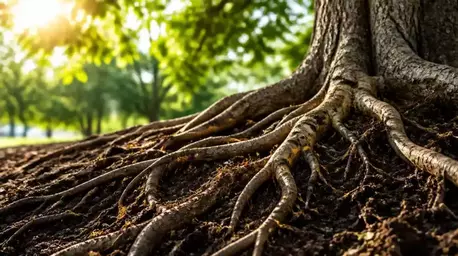
Have you ever noticed how tree roots can disrupt sidewalks or patios? The impact of tree roots on hardscaped surfaces can be both visible and damaging. As roots grow, they tend to push through soil and can lift or crack paving elements, leading to safety hazards and an unattractive landscape.
Moreover, the expansion of roots can restrict drainage and moisture availability, ultimately affecting the health of the tree and surrounding plants. At Rooted Edge, we advocate for proactive root management strategies to mitigate these issues. Some common impacts of roots on hardscaped areas include:
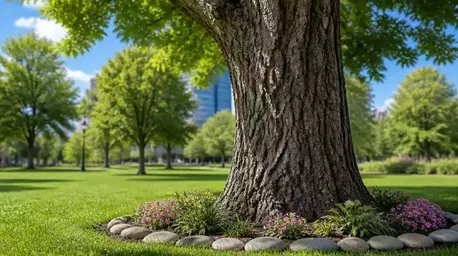
Tree preservation is not just about keeping the trees standing; it's about integrating them thoughtfully into your landscape design. Trees bring numerous benefits, including shade, beauty, and improved air quality. When we prioritize their preservation, we create a more inviting outdoor space. Learn more about designing landscapes with trees to enhance both aesthetics and ecology.
In landscape design, considering tree health and root management can enhance both the aesthetic and ecological aspects of your project. By using tree-driven design principles, we can create harmonious spaces that respect the natural growth patterns of trees while also keeping hardscaped areas intact. Here are a few ways to incorporate tree preservation into your designs:
Did you know? Implementing a combination of physical and modular root barriers can provide the most effective defense against tree root damage while allowing for flexibility in your landscaping design. This approach not only helps to protect your hardscaped areas but also promotes healthy root growth by accommodating the natural expansion of tree roots.
When it comes to maintaining the health of your landscape while also ensuring the longevity of your hardscaped areas, effective root barriers are essential. At Rooted Edge, we understand that these barriers act as a protective shield, helping to manage tree roots that can otherwise disrupt the integrity of patios, walkways, and driveways. Choosing the right kind of root barrier tailored to your specific environment can greatly enhance both the aesthetics and functionality of your outdoor space.
Root barriers come in various forms, each designed to address specific challenges posed by tree roots. Knowing the different types available can help you make informed decisions for your landscaping projects. Let’s explore some of the most common types of root barriers that can help you create a harmonious blend of nature and hardscape.
Root barriers can be categorized into several types, each with unique properties and applications. Understanding these options will empower you to make the best choice for your outdoor project. Here are some common types:
Physical root barriers are typically made from materials such as plastic, concrete, or metal. These durable materials are designed to withstand the pressure exerted by growing roots. At Rooted Edge, we often recommend using high-density polyethylene (HDPE) for its flexibility and resistance to cracking, making it a popular choice for long-term installations.
When installing these barriers, proper placement is key. They should be buried at an appropriate depth and angled correctly to direct roots away from vulnerable hardscaped areas. This proactive approach can save you from costly repairs down the line!
Chemical root barriers offer a different approach by using specially formulated compounds to halt root growth. While they can be effective in preventing interference with hardscaped surfaces, they do raise some environmental concerns. There’s the potential for chemicals to leach into the soil, affecting nearby plants and soil health.
Before considering chemical solutions, I encourage you to weigh the benefits against the potential risks to your landscape ecosystem. It’s important to prioritize strategies that align with the sustainable practices we advocate at Rooted Edge.
Modular root barriers are gaining popularity due to their versatility. They can be easily installed in various configurations, allowing for a customized approach to root management. These barriers can be particularly useful in complex landscapes where traditional barriers may not fit well. Consider how these solutions can help in managing tree roots by sidewalks.
Additionally, their flexibility means they can be adjusted as needed over time, accommodating the natural growth patterns of your trees. This adaptability creates a more sustainable relationship between your hardscape and the living elements of your landscape.
Geotextiles are another innovative solution that can complement root barrier systems. These fabrics help prevent soil erosion while allowing water and nutrients to pass through. By using geotextiles in conjunction with physical barriers, you can create a robust system that protects both your trees and your hardscape.
Moreover, geotextiles can help maintain soil structure, promoting healthier root growth and reducing the likelihood of root damage. Incorporating these materials into your landscape design can foster a thriving ecosystem while safeguarding your outdoor investments.
Here is a quick recap of the important points discussed in the article:
By Elena Whitmore / Sep 19
By Elena Whitmore / Sep 12
By Elena Whitmore / Sep 03