Eco-Friendly Landscaping Practices Explained
By Elena Whitmore / Sep 19
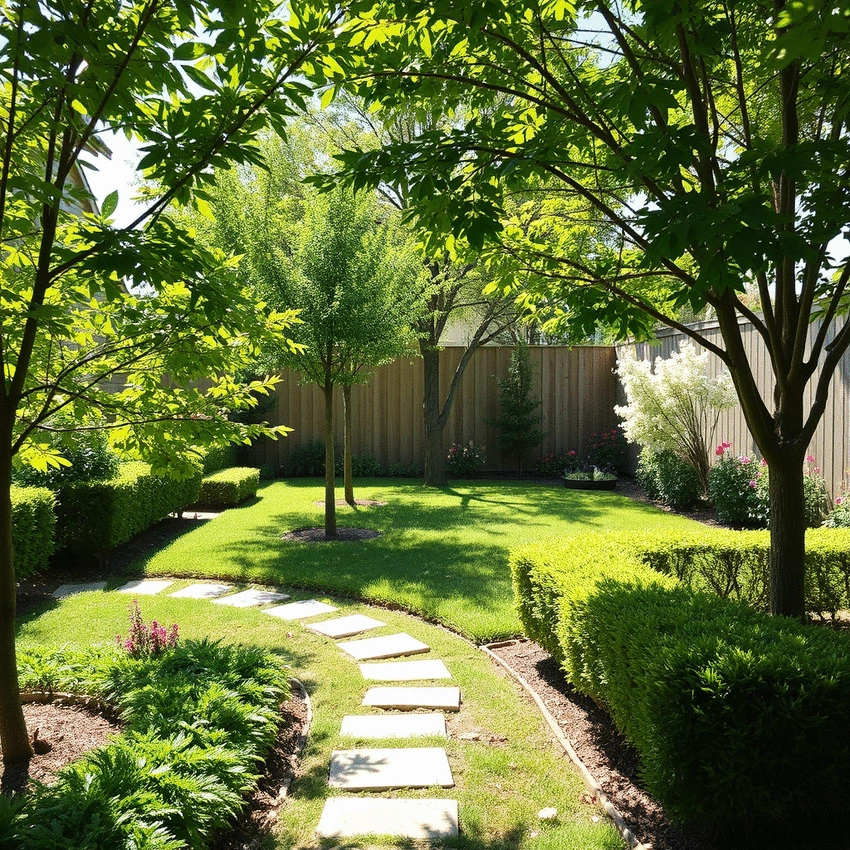
Choosing the right trees for your small yard is a nuanced process that can significantly enhance your outdoor space. With the right knowledge, you can transform even the most limited areas into lush retreats. The journey of selecting trees is not just about aesthetics; it's a blend of practical considerations and ecological responsibility.
Here are some key strategies for selecting the right trees that enhance both aesthetics and functionality in limited spaces. For more insights on blending beauty and function, consider exploring designing landscapes with trees.
Take note of sunlight, soil type, and available space to ensure the selected trees thrive.
Decide whether you want privacy, shade, or even edible options to maximize your outdoor experience.
Opt for small or dwarf tree species that fit your space and won't overwhelm it.
In extremely limited spaces, consider using dwarf trees in containers as a viable solution.
When it comes to designing and enhancing your small yard, selecting the right trees can truly make a difference! Trees not only beautify your space but also contribute to a healthier environment. At Rooted Edge, I often emphasize the importance of thoughtful tree selection, especially in limited spaces where every inch counts.
Understanding the nuances of tree selection is crucial because trees can impact your yard's aesthetics, functionality, and overall health. Selecting the right species can result in a flourishing outdoor oasis or, conversely, a struggle with growth and maintenance. This journey begins with understanding not just the visual appeal but the practical implications of your choices.
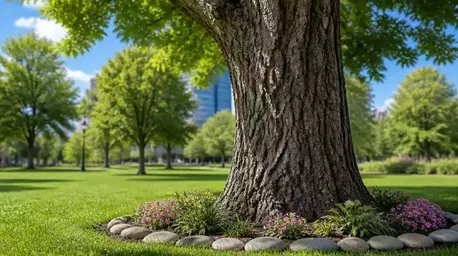
In a small yard, every element has a purpose, and trees are no exception. They can serve various roles, from providing shade and privacy to acting as focal points in your garden. Choosing the right tree can enhance your outdoor experience, making it essential to consider factors like size, root system, and growth habits when selecting trees. For ongoing care and expert guidance, remember the importance of tree maintenance services.
Moreover, trees can significantly affect your property's microclimate. For example, strategically placed trees can reduce energy costs by providing shade during hot months. So, understanding tree selection in limited spaces is not just about aesthetics; it's a matter of practicality and sustainability!
Many homeowners, including myself, search for tree selection strategies because we want to maximize our outdoor spaces! Knowing which trees work best in smaller areas helps us avoid common pitfalls and ensures a thriving landscape. Whether it’s for enhancing curb appeal or creating a serene retreat, understanding user intent is key.
At Rooted Edge, I guide clients through these considerations, helping them make informed choices that blend beauty and function. By exploring tree selection strategies, you can cultivate a garden that not only looks good but feels good too!
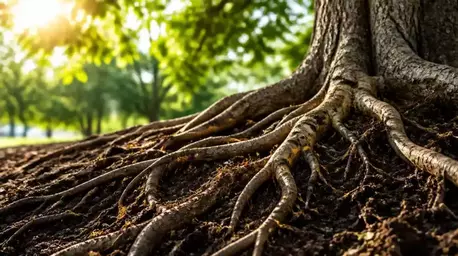
When selecting trees for your small yard, several key considerations need to be made. Understanding the environment and how trees interact with it is essential. This knowledge will enable you to make choices that will thrive without overwhelming your space.
Let’s dive into some important factors to consider before making your selections. From assessing sunlight to understanding soil type, each element plays a crucial role in the health and longevity of your trees.
Here's a brief recap of the key points discussed so far:
As we wrap up our discussion on tree selection for small yards, it’s essential to remember the key strategies and best practices we've explored. Choosing the right tree is not just about aesthetics; it’s about enhancing your outdoor space while ensuring the health of your trees. By considering factors like sun exposure, soil conditions, and your specific goals for your landscape, you can create a beautiful and functional environment that thrives! For more insights on ensuring the health of your trees, consider tips for sustainable tree care for homeowners.
Another important aspect is making sure that you understand your tree's growth habits and maintenance needs. This insight will help you plan for the long-term health of your trees and the overall landscape. Ultimately, the right choices can transform even the tiniest spaces into lush retreats that bring joy for many years to come.
Throughout our journey, we discussed several crucial strategies for selecting trees in small yards. Here are some of the highlights:
At Rooted Edge, we believe that thoughtful decisions can lead to stunning landscapes. So, whether you’re planting a single tree or redesigning your entire yard, remember that every choice can contribute to a healthier ecosystem!
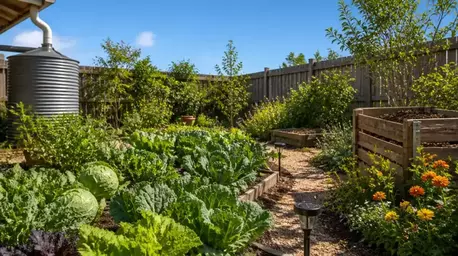
To ensure your trees thrive for years, it's vital to adopt sustainable practices. This means selecting native species whenever possible, which are better adapted to your local climate and soil conditions. Additionally, consider these eco-friendly approaches:
By prioritizing sustainability, you not only enhance your landscape but also contribute positively to the environment around your home. It's a win-win situation that aligns perfectly with our mission at Rooted Edge!
One of the best ways to enhance your tree selection process is by engaging with local nurseries and botanical gardens. These resources are filled with knowledgeable staff who can help you choose the right trees for your specific area. Plus, by visiting in person, you can see the trees in their growing conditions, which can inform your decision-making.
Don’t hesitate to ask questions about tree health, care, and local conditions. Many times, these professionals can provide valuable insights that you won't find online!
Another useful resource is the USDA Plant Hardiness Zone Map. This tool helps you understand which plants are most likely to thrive in your specific climate. It’s a simple yet powerful way to ensure that your tree selections are well-suited for your location! For further reading on related topics, explore eco-friendly landscaping benefits for homeowners.
For further reading and expert resources, I recommend exploring organizations like the Arbor Day Foundation and the National Gardening Association. They offer a wealth of information on tree planting, care, and sustainable practices. Their resources can guide you through every step of your tree selection journey!
Now that you have the knowledge and tools at your disposal, it’s time to embark on your tree selection journey! Whether you’re redesigning your yard or adding a single tree, take the first step today. Reach out to your local nursery or check out the resources we've discussed.
I invite you to share your experiences in tree selection! At Rooted Edge, we thrive on community engagement, and your stories can inspire others. Let’s cultivate beautiful, sustainable landscapes together!
Here is a quick recap of the important points discussed in the article:
By Elena Whitmore / Sep 19
By Elena Whitmore / Sep 12
By Elena Whitmore / Sep 03