Eco-Friendly Landscaping Practices Explained
By Elena Whitmore / Sep 19
Have you ever paused to consider how vital trees are to our daily lives? Beyond their beauty, they provide essential environmental benefits that nourish both the planet and its inhabitants. In this article, we explore the profound impact of tree preservation within landscape design, emphasizing how trees can enhance aesthetics, improve air quality, and foster community connections.
Understanding the multifaceted roles trees play in enhancing our ecosystems and properties.
Trees absorb carbon dioxide, produce oxygen, and provide habitats for various wildlife.
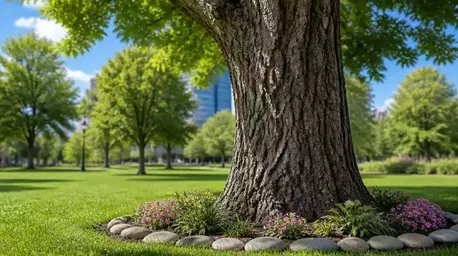
A well-placed tree can create a focal point in your garden and enhance the overall look of your landscape.
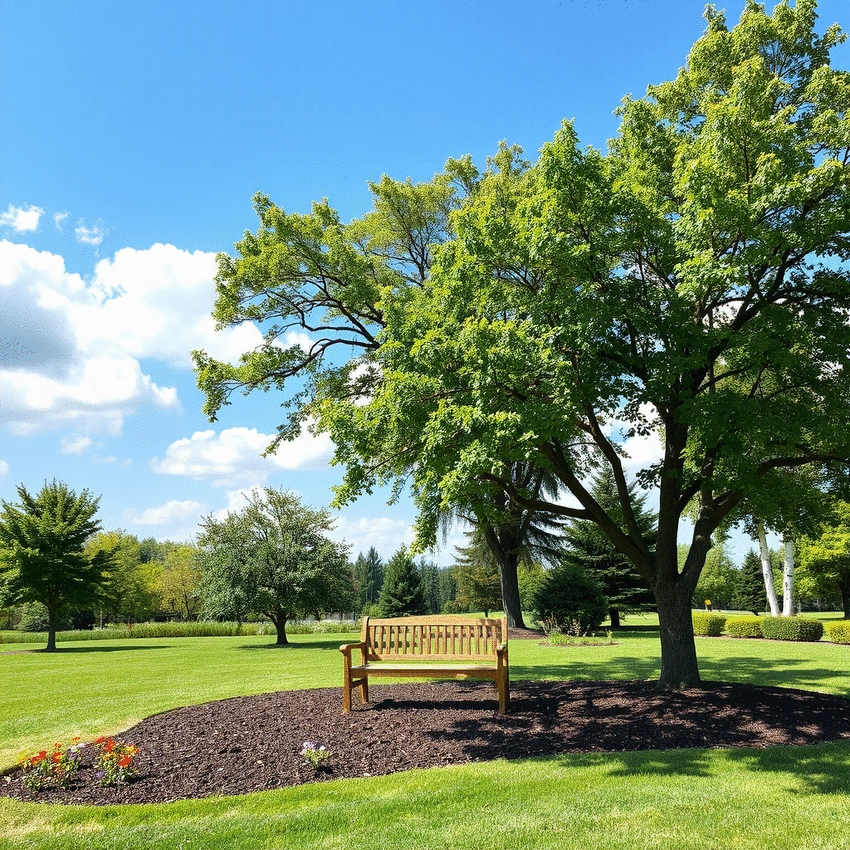
Trees offer shade and cool the air, making outdoor spaces more comfortable during hot months.
Well-preserved trees can significantly increase property value, providing economic benefits.
Preserving trees can lead to lower energy costs and reduced soil erosion, saving money in the long run.
When it comes to landscape design, trees play a vital role that goes beyond mere aesthetics. They offer shade, improve air quality, and support local wildlife. Think of a landscape without trees—it's like a book without its pages! At Rooted Edge, we believe that preserving trees is essential to creating harmonious outdoor spaces that are both beautiful and ecologically sound. For more insights on how trees contribute to your outdoor spaces, check out our guide on designing landscapes with trees.
Additionally, trees enhance property value and can significantly reduce energy costs by providing natural cooling. They are nature's air conditioners, creating a more comfortable environment for homeowners and visitors alike. When we think about our gardens and yards, it’s crucial to ask ourselves: How do we prioritize these living elements within our designs?
Trees are more than just beautiful features in our landscapes—they are integral to the health of our ecosystems. Here are some reasons why trees matter:
By understanding these benefits, we can make informed decisions about tree preservation in our landscape designs. It’s about creating a balance between hardscapes and softscapes that respects the natural environment.
Collaboration with certified arborists is key to successful tree preservation. These professionals bring specialized knowledge that can guide homeowners in making the right choices. Here’s how working together can benefit your project:
At Rooted Edge, we emphasize the importance of these partnerships. By working with certified arborists, we ensure that our designs are not only beautiful but also sustainable and beneficial for the environment. For more information on maintaining the health of your trees, explore our tree maintenance services.
Urban forestry is a concept that emphasizes the importance of trees in urban settings. As cities grow, the need for tree preservation becomes even more pressing. Urban trees provide numerous benefits, including:
Understanding urban forestry helps us appreciate the role of trees in our towns and cities. It encourages us to advocate for their preservation and integration into landscape design. By embracing these practices, we can create urban spaces that thrive alongside nature.
Did you know? Regularly assessing the health of your trees can prevent potential hazards and costly removals. Schedule annual evaluations with a certified arborist to monitor tree health, identify any issues early, and ensure your landscape remains vibrant and safe!
When it comes to landscape design and tree preservation, many questions arise that can seem complex. As someone who has spent years in this field, I understand the challenges homeowners and professionals face. That’s why I’m here to clarify some of the most common inquiries, helping you navigate these important topics with ease! For strategies on integrating tree care into your landscaping projects, read more about hardscape and tree care integration.
A: Tree preservation is vital because trees offer environmental benefits (like air purification and wildlife habitats), enhance aesthetic appeal, regulate climate by providing shade, increase property value, and lead to long-term cost savings through reduced energy use and soil erosion control.
A: Certified arborists provide expert assessments of tree health, offer tailored recommendations for care and integration into landscape designs, and give ongoing support and advice on maintenance practices, ensuring trees remain healthy and sustainable.
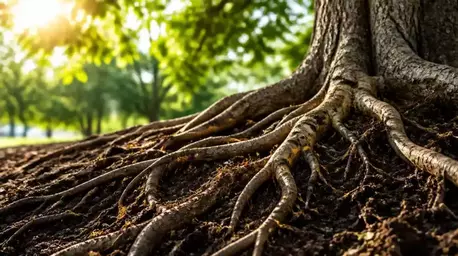
A: The Critical Root Zone (CRZ) is the area around a tree that must be protected to ensure its health, especially during construction. It's generally calculated by multiplying the tree's diameter at breast height (DBH) by 1.5 to get the radius of the CRZ.
A: Digital tools improve efficiency in cataloging trees, streamline data management for informed decision-making, allow for visualization of tree placement and health, and facilitate seamless collaboration between arborists and landscapers.
A: You can promote biodiversity by incorporating native plants, ensuring a diversity of species (trees, shrubs, flowers), selecting plants that offer seasonal interest, and designing areas that create habitats for local wildlife like pollinators and birds.
The Critical Root Zone (CRZ) is essential for maintaining the health of your trees during construction or landscaping projects. To calculate the CRZ, you need to know the diameter of the tree. Generally, the formula is simple: multiply the tree's diameter at breast height (DBH) by 1.5. This will give you the radius of the CRZ. For example:
Understanding the CRZ is vital for ensuring that your trees stay healthy and vibrant, especially when integrating them into landscape design!
Digital tools for tree inventories can streamline your landscape planning process significantly. Here are some benefits:
At Rooted Edge, we leverage these tools not only to enhance our designs but also to ensure that every tree gets the care it deserves!
Incorporating biodiversity into your landscape design is crucial for creating a thriving ecosystem. Here are some key points to consider:
Embracing biodiversity not only enhances your landscape's beauty but also strengthens the ecosystem, making it more resilient and sustainable!
As we wrap up our discussion, it's important to advocate for sustainable practices in landscape design. The balance between tree preservation and development is delicate, and making informed choices can lead to beautiful, thriving outdoor spaces.
When considering whether to preserve or remove a tree, think about these factors:
Prioritizing tree preservation can yield long-term benefits for both your landscape and the environment! For tips on managing tree roots near hardscapes, see our article on managing tree roots by sidewalks.
Community involvement is key to successful tree preservation. Here are ways to engage:
At Rooted Edge, we believe that community action can create lasting changes that benefit everyone!
Educational workshops are a fantastic way to spread awareness about the importance of tree preservation. Here’s what you can do:
By fostering an environment of learning and understanding, we can promote better practices for tree preservation and create healthier landscapes for generations to come! Learn more about sustainable tree care for homeowners to further your knowledge.
Here is a quick recap of the important points discussed in the article:
By Elena Whitmore / Sep 19
By Elena Whitmore / Sep 12
By Elena Whitmore / Sep 03