Eco-Friendly Landscaping Practices Explained
By Elena Whitmore / Sep 19
Did you know that integrating tree canopies into your landscape design can transform your outdoor spaces into vibrant retreats? They provide shade, enhance aesthetic appeal, and support local ecosystems, making them essential for creating functional outdoor environments.
Tree canopies provide essential shade and enhance the functionality of outdoor areas. Below are key benefits illustrated in a visually engaging format.
Tree canopies naturally cool your home, reducing air conditioning costs.
They attract beneficial insects and birds, creating a healthy ecosystem.
Tree canopies add layers and textures, making your outdoor space more interesting.
Spending time under trees can reduce stress and improve mental well-being.
When we think about our outdoor spaces, tree canopies play a crucial role in setting the mood and functionality of these areas. They provide more than just shade; they create a dynamic environment that enhances our connection to nature. At Rooted Edge, I always emphasize the importance of integrating tree canopies into landscape design because they transform ordinary yards into vibrant retreats!
So, what makes a space functional? It’s about how we use it and how it feels to us. Functional outdoor spaces should invite relaxation, promote social interaction, and enhance our overall quality of life. By incorporating tree canopies, we can achieve this balance, allowing our gardens to flourish while providing necessary comfort. Learn more about designing landscapes with trees to enhance your outdoor living.
Functional outdoor spaces are designed with intention, focusing on how people interact with them. They often include elements that cater to various activities—be it lounging, eating, or playing. Here are some key aspects to consider when defining these spaces:
By focusing on these elements, we can create outdoor environments that resonate with our emotional needs. Imagine enjoying a summer afternoon under a lush tree canopy, where the gentle breeze rustles the leaves—this is what functional design aims for!
Tree canopies offer a multitude of benefits that enhance both the aesthetic and practical side of outdoor spaces. First and foremost, they provide essential shade, which can significantly lower temperatures in your garden, making it more inviting during hot days. Additionally, tree canopies contribute to the overall design by adding structure and depth to your landscape.
Let’s explore some of the key benefits:
As we design spaces at Rooted Edge, we focus on how these canopies not only enhance beauty but also promote sustainability. It’s about creating a balance that brings joy while respecting our environment. For more insights, check out our guide on eco-friendly landscaping benefits for homeowners.
The health benefits of tree canopies extend beyond mere aesthetics. Research shows that spending time under trees can reduce stress and improve mental well-being. The shade they provide can also reduce the risk of sunburn and heat-related illnesses, making outdoor spaces safer for everyone.
Additionally, being around trees can boost our mood and enhance our creativity. Whether you’re gardening, reading a book, or simply enjoying a cup of coffee, the presence of tree canopies can transform your experience into one of tranquility and inspiration!
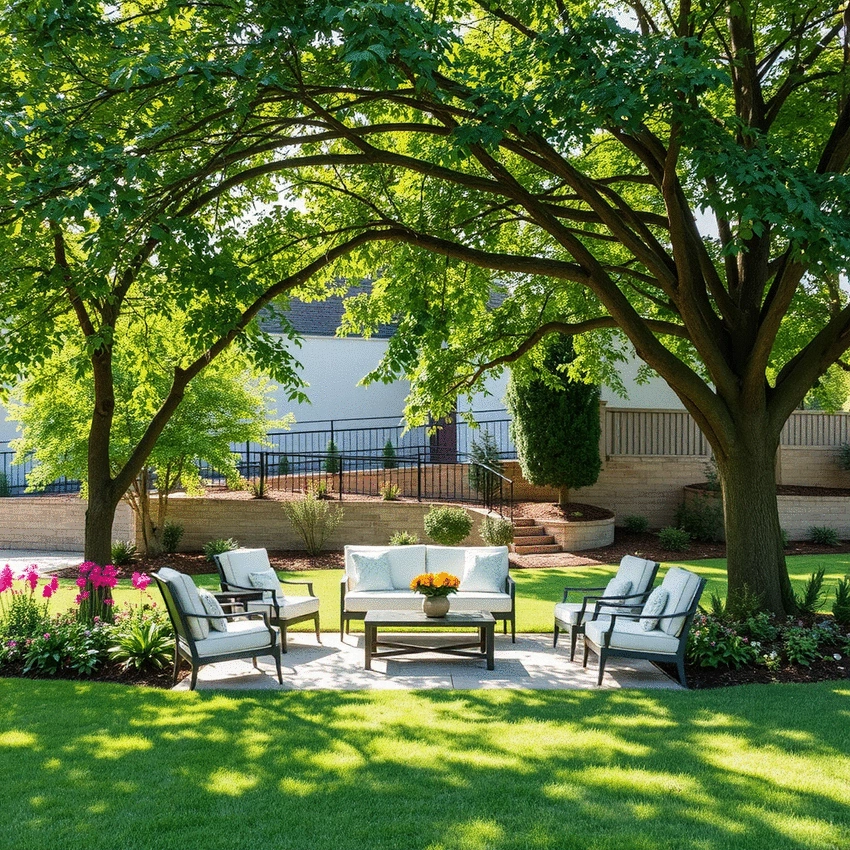
Tree canopies can significantly elevate our outdoor living experiences. They create a sense of enclosure while still allowing for an open sky view, making it feel more like an extension of our homes. With the right design, these canopies can serve as stunning backdrops for outdoor gatherings, allowing family and friends to connect in a natural setting.
Consider how you can incorporate tree canopies into your next outdoor project. Whether it's establishing seating areas beneath a large oak or using smaller trees to create intimate nooks, the possibilities are endless. At Rooted Edge, I’m dedicated to helping you find ways to enhance your outdoor experience through thoughtful canopy integration.
As we delve deeper into landscape design, tree canopies serve as foundational elements that shape the overall aesthetic and functionality. They guide how we think about space and can be pivotal in achieving a harmonious balance within our gardens.
Incorporating tree canopies into your landscape design involves considering their placement, growth patterns, and the relationship with other features. By understanding these elements, we can create spaces that are not only beautiful but also supportive of the local ecosystem!
Here's a brief recap of the key points discussed so far:
In today’s digital age, technology plays a crucial role in managing and enhancing our outdoor spaces. At Rooted Edge, we believe that integrating smart solutions can significantly improve the health and vitality of tree canopies. By harnessing modern tools, you can better care for your trees while simultaneously enjoying the beauty and functionality they bring to your landscape.
One of the most impactful technologies is the use of smart irrigation systems. These systems utilize sensors to monitor soil moisture levels and adjust watering schedules accordingly. This not only conserves water but ensures that your trees receive the right amount of hydration, promoting robust growth. For professional assistance with tree care, explore our tree maintenance services.
When it comes to tree canopy management, smart irrigation systems can be a game-changer. By using moisture sensors, you can:
These systems not only save time but also help maintain optimal conditions for your trees. Imagine focusing on your landscape design while technology takes care of the watering tasks!
In urban environments, space can often be a challenge. However, technology offers innovative solutions to maximize your outdoor areas. To make the most of small urban lots, consider:
By utilizing these accessibility solutions, your small outdoor space can flourish with beautiful tree canopies that enhance your environment while being practical and functional.
As I engage with homeowners and professionals through Rooted Edge, I often encounter common questions regarding tree canopy selection and placement. Addressing these queries can empower you to make informed decisions that benefit both your landscape and the environment.
Here are some frequently asked questions that can help guide your tree canopy design:
Understanding the answers to these questions can significantly enhance your landscape, ensuring a beautiful and thriving tree canopy.
Another frequent concern revolves around the costs associated with tree canopy projects. Here’s a simple breakdown:
Weighing the pros and cons of each option can help you determine the best route for your specific project!
Sustainable landscaping is an essential aspect of creating functional outdoor spaces. Implementing practices such as:
These practices not only benefit the environment but also enhance the beauty of your outdoor area. At Rooted Edge, we strive to promote sustainability in every project, helping you create an eco-friendly landscape that you can be proud of!
Here are some common questions about integrating tree canopies and creating functional outdoor spaces:
As we explore the importance of tree canopies, it's vital to balance aesthetics with functionality. This balance ensures that your outdoor space not only looks beautiful but serves your needs effectively.
When designing with tree canopies, consider how they can enhance your outdoor experience. Think about:
This thoughtful approach will help create a harmonious environment that resonates with your personal style! You can also learn more about tree-friendly landscape design tips to further enhance your outdoor space.
Integrating sustainability into your design is not just beneficial; it's necessary for our planet. As you plan, keep in mind:
By prioritizing these practices, you contribute positively to your local ecosystem while enjoying a beautiful outdoor space.
Finally, consider methods to enhance biodiversity in your landscape design. For instance:
These eco-friendly practices will not only beautify your surroundings but also support the interconnected web of life that thrives within your outdoor space. Looking for ways to maintain your green spaces? Check out our sustainable tree care for homeowners guide.
Here is a quick recap of the important points discussed in the article:
By Elena Whitmore / Sep 19
By Elena Whitmore / Sep 12
By Elena Whitmore / Sep 03