Eco-Friendly Landscaping Practices Explained
By Elena Whitmore / Sep 19
In the realm of landscaping, the balance between hardscape and softscape is vital for creating beautiful and functional outdoor spaces. Understanding how these two elements interact can transform your yard into a harmonious environment.
Integrating both hardscape and softscape elements creates outdoor spaces that are visually stunning and functional. Below are essential benefits highlighted from the article. For more on how to achieve this balance, consider exploring merging hardscape and green spaces effectively.
A well-planned design creates stunning visuals that draw the eye.
Integrated elements improve usability for outdoor living activities.
Thoughtful design promotes biodiversity and effectively manages stormwater.
A harmonious landscape can boost your home’s market appeal.
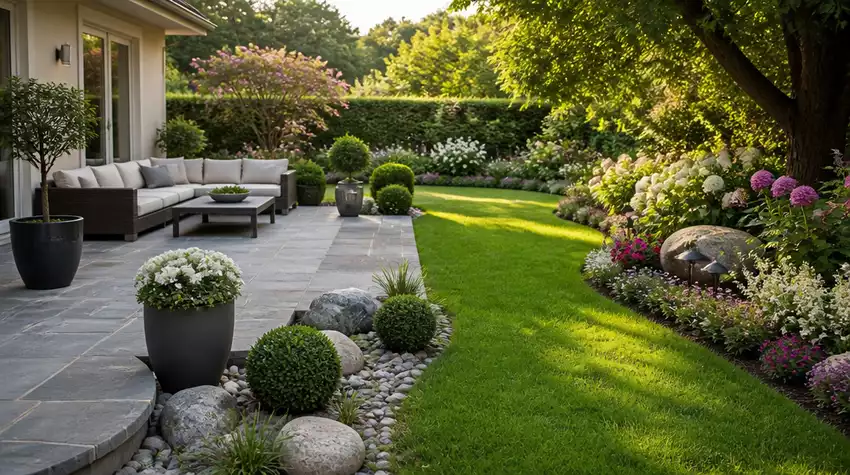
When we think about landscaping, it's important to recognize the special relationship between two key components: hardscape and softscape. At Rooted Edge, I believe that understanding these elements is the first step toward creating beautiful outdoor spaces. Hardscape refers to the non-plant elements in landscaping, while softscape encompasses all the living plant materials. Together, they form a harmonious balance that enhances both the beauty and functionality of your yard.
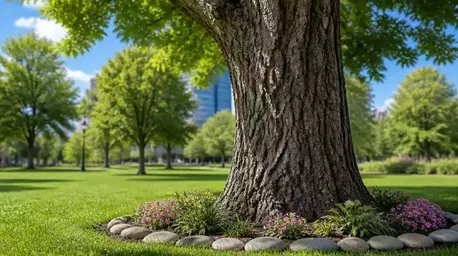
To put it simply, hardscape includes the solid features of your landscape. This can be anything from patios and walkways to retaining walls and decorative stones. These elements provide structure and permanence to your outdoor design, setting the stage for the plants and soft features to shine. On the other hand, softscape elements are primarily made up of plants, including trees, shrubs, flowers, and grasses that bring color and life to your landscape.
It’s fascinating to see how these two interact! Think of hardscape as the canvas of your landscape painting, while softscape serves as the vibrant colors that bring that canvas to life. Each plays a critical role in your overall design, and finding the right balance between them is essential for a stunning outdoor environment. For guidance on maintaining these elements, particularly around trees, learn more about tree maintenance services.
Let’s delve a bit deeper into what exactly makes up hardscape. Here are some common elements that you might consider incorporating into your landscape design:
Each of these features not only adds functionality but also enhances the aesthetic appeal of your outdoor space. At Rooted Edge, I often help clients choose materials that complement their existing structures and the natural surroundings, ensuring a seamless design.
Now, let’s shift our focus to softscape components. These living elements bring warmth and vitality to your yard. Consider these key aspects:
Choosing the right softscape elements is crucial for creating a lively atmosphere. I often recommend using native plants, as they thrive in local conditions and support biodiversity. This approach aligns perfectly with our mission at Rooted Edge to foster sustainable landscapes.
Did you know? Incorporating elements like decorative pots with flowering plants or vertical gardens can elevate your hardscape design while providing additional softscape benefits. This not only enhances visual appeal but also maximizes limited space, creating a lush atmosphere even in compact areas!
When we think about designing our outdoor spaces, it's vital to acknowledge the strong connection between hardscape and softscape. By combining these elements effectively, we can create environments that are not just visually appealing but also functional and sustainable. This harmony enhances your property's overall aesthetic, addresses environmental concerns, and provides real value to homeowners.
Here are some essential benefits of integrating hardscape and softscape:
At Rooted Edge, we believe that recognizing these benefits is crucial for any homeowner looking to create a perfect outdoor oasis. Therefore, embracing the balance between hardscape and softscape can genuinely transform your landscape experience! For more insights into how thoughtful design can contribute to a healthier ecosystem, consider reading about eco-friendly landscaping benefits for homeowners.
As we wrap up our discussion, let's remember the vital aspects of harmonizing these two components. It's not merely about aesthetics; merging hardscape and softscape leads to functional, efficient, and eco-friendly outdoor environments. Here’s a quick recap of the key points:
Emphasizing these points in your landscaping projects can lead to remarkable results. A well-integrated design isn’t just pretty; it’s smart!
Taking the next step in your landscaping journey involves making informed decisions. Whether you are a seasoned gardener or just starting, utilizing available resources is key to achieving your ideal outdoor space. Don’t hesitate to delve into options that suit your needs and preferences.
Here are some resources to consider for your landscaping project:
At Rooted Edge, we are here to assist you on this journey by offering tailored solutions that align with your goals! For specific advice on integrating trees into your designs, explore designing landscapes with trees.
Consulting professionals can take your ideas to the next level. Engaging with experts who understand the nuances of both arboriculture and landscape design can lead to innovative solutions that cater to your unique needs. Remember, it’s okay to ask for help—collaboration can spark creativity!
Here are some tips for choosing the right professionals:
By leveraging these resources, you're setting yourself up for a successful project. The right guidance can make all the difference in creating a space that feels just right!
Now that you've gathered information and insights, it’s time to plan your hardscape and softscape integration. Start envisioning your dream outdoor environment and consider how you can achieve it step by step. Planning doesn't have to be overwhelming; breaking it down can make it enjoyable!
Here's a simple approach to help you get started:
Engaging with local experts can provide personalized advice tailored to your specific situation. They can guide you through the nuances of your landscape and help you find the right balance between hardscape and softscape. For further insight into the structural aspects of landscaping, consider reading about hardscape and tree care integration.
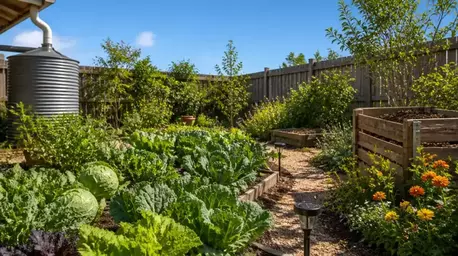
One exciting trend in landscape design is integrating edible plants into your outdoor spaces. Imagine walking through your garden and picking fresh herbs or fruits right outside your door! Edible landscaping not only beautifies your environment but also encourages sustainability.
Here are some delicious ideas to consider:
This approach not only enhances the beauty of your garden but also contributes to self-sufficiency, allowing you to enjoy the fruits of your labor—literally!
Here is a quick recap of the important points discussed in the article:
By Elena Whitmore / Sep 19
By Elena Whitmore / Sep 12
By Elena Whitmore / Sep 03