
Eco-Friendly Landscaping Practices Explained
By Elena Whitmore / Sep 19
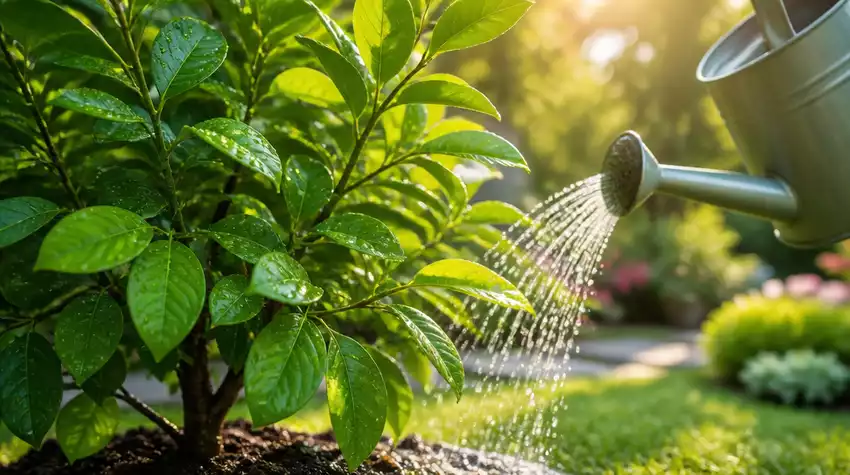
Did you know that healthy trees can significantly enhance the beauty and ecosystem of our surroundings? However, their vitality heavily depends on proper watering techniques. This article delves into essential strategies for tree care, emphasizing the critical role of water in maintaining healthy trees.
Understanding the key factors influencing tree watering needs can make all the difference in how well your trees perform. For more detailed insights into effective care, explore our tree maintenance services.
Sandy soils drain quickly, requiring more frequent watering, while clay soils retain moisture longer.
Different species have unique water requirements; for instance, oaks may need more water than pines.
Hot and dry climates will necessitate more watering compared to cooler, more humid areas.
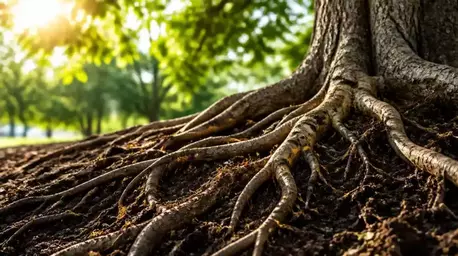
Deep watering encourages roots to grow downwards, seeking moisture and nutrients.
Well-watered trees boast lush, green leaves which enhance their aesthetic appeal.
Healthy trees are more resilient against pests and environmental stressors.
As a passionate arborist, I can’t stress enough the significance of proper tree watering techniques. Trees are essential to our environment, providing shade, beauty, and a habitat for wildlife. However, without adequate watering, even the strongest trees may struggle to thrive. By understanding the importance of watering, we can ensure that our trees flourish, ultimately enhancing our outdoor spaces.
Healthy trees rely heavily on water, which directly affects their growth, resilience, and overall health. When trees receive the right amount of water, they develop stronger root systems that anchor them firmly in the ground. Think of watering as the lifeblood of your trees, nourishing them from the roots up. As the owner of Rooted Edge, I focus on merging arboriculture with landscape design to create environments where both trees and plants can thrive. For more insights on integrating tree care into your property, consider tree care's role in landscaping.
In essence, adequate watering is a fundamental need for healthy trees. Trees require water for various vital processes, including photosynthesis, nutrient absorption, and growth. When trees don't get enough water, they can become stressed, leading to reduced growth rates and increased susceptibility to diseases.
Here's a quick look at how adequate watering impacts tree health:
Understanding the key factors influencing tree watering needs can make all the difference in how well your trees perform. Various elements contribute to how much water your trees require, including tree species, soil type, climate, and age. It’s essential to tailor your watering techniques to suit these variables for optimal growth.
Consider these important factors when assessing your tree watering needs:
By considering these factors, you can develop an effective watering strategy that supports the health of your trees. At Rooted Edge, we emphasize the importance of understanding these elements, as they play a crucial role in the successful integration of arboriculture within landscape design.
Did you know? Incorporating a rain gauge into your tree care routine can help you monitor rainfall accurately, allowing you to adjust your watering schedule accordingly. By understanding how much natural water your trees are receiving, you can prevent overwatering and ensure they receive the optimal amount of moisture!
When it comes to nurturing our trees, the importance of soil and mulch cannot be overstated. These two elements play a crucial role in retaining moisture and providing the right environment for healthy tree growth. As an arborist, I've witnessed firsthand how the right combination of soil and mulch can make a significant difference in the well-being of trees, enhancing their ability to thrive in any landscape.
Mulch acts like a protective blanket around your trees, preventing evaporation and keeping the soil moist longer. It suppresses weeds that compete for water and nutrients, providing a more sustainable environment for your trees. Not only does it help with water conservation, but it also improves soil structure as it breaks down over time, contributing to a thriving ecosystem. Learn more about the key benefits of mulching trees for optimal health.
Applying mulch around your trees is one of the simplest and most effective ways to conserve moisture. It creates a barrier, reducing the amount of water that evaporates from the soil. Here’s how you can maximize the benefits of mulch:
By doing this, you not only help your trees retain moisture but also create a more inviting environment for beneficial organisms in the soil.
Water runoff can be a major concern, especially after heavy rains or overwatering. It's essential to implement strategies that prevent this issue to ensure your trees receive the hydration they need. Here are some best practices:
By following these steps, you'll reduce runoff and support your trees in accessing water more effectively.
The composition of your soil greatly impacts its ability to retain moisture. Sandy soils drain quickly but can dry out fast, while clay soils retain water but may lead to poor aeration. Understanding your soil type is key. Here’s what to consider:
At Rooted Edge, we often guide homeowners in selecting the right soil amendments to ensure a balanced environment for their trees, helping them flourish year after year!
Recognizing when trees are not receiving the right amount of water is crucial. Issues like overwatering and underwatering can manifest in various ways, and being able to identify these signs early can save your trees from serious damage. Let’s explore how you can troubleshoot these common watering issues.
Each condition has distinct indicators that can help you determine what your trees are experiencing. Here’s how to spot the difference:
Understanding these symptoms allows you to take timely action to correct your watering practices.
Sometimes, the signs can be subtle. It’s essential to keep a close eye on your trees. Here are some visual indicators to watch for, along with solutions:
By staying vigilant, you’ll be able to respond quickly and effectively to any signs of distress in your trees.
A soil moisture probe can be an invaluable tool for understanding when and how much to water your trees. This simple device provides accurate readings of moisture levels at different depths, helping you make informed decisions. Here’s how to use it:
Incorporating a soil moisture probe into your tree care routine can take the guesswork out of watering, ensuring your trees receive just the right amount of hydration.
Water runoff can lead to several issues, including soil erosion and nutrient loss. To tackle this problem, you’ll need a proactive approach. Here are some steps you can take:
Taking these measures not only protects your trees but also contributes to a healthier ecosystem in your yard!
Different tree species have unique watering requirements based on their native habitats and growing conditions. Understanding these needs is vital for their health. Let’s dive into some responsive solutions for various tree types. For more detailed guidance, explore our resource on sustainable tree care for homeowners.
When caring for trees, it's important to consider their specific needs. Here are some species-specific tips:
By tailoring your approach based on the species, you’ll promote optimal growth and resilience.
Every environment presents its own challenges. Whether you’re dealing with urban heat or sandy soils, adjusting your watering techniques is key. Here are some considerations:
Adapting your methods can create a more supportive environment for your trees to flourish!
Native trees are adapted to thrive in local climates, but urban settings can pose challenges. Here’s how to ensure their success:
Supporting our native trees not only enhances our landscapes but also contributes positively to local ecosystems.
Equipping yourself with the right tools can significantly enhance your tree watering practices. Let’s explore some of the best tools and resources available.
A watering calculator can be a fantastic resource for tailoring your watering schedule based on local weather conditions and tree needs. Here’s how to get started:
By utilizing a watering calculator, you can take the guesswork out of tree care, ensuring each tree receives the attention it deserves.
As we dive deeper into tree care, it’s common to have questions about best practices. Here are some frequently asked questions:
Addressing these questions can lead to a better understanding of tree hydration and overall health!
In our digital age, several apps can assist you in managing your tree watering needs effectively. Here are a few to consider:
With technology at our fingertips, we can make informed decisions for the health of our trees!
In summary, understanding the nuances of tree watering can dramatically impact the health and vitality of your outdoor spaces. From proper soil and mulch management to recognizing signs of overwatering or underwatering, every detail matters!
To recap, here are the key techniques to remember:
By incorporating these strategies, you’re well on your way to establishing a thriving landscape that benefits not only your trees but the entire ecosystem.
At Rooted Edge, we believe in promoting sustainable practices that benefit both our trees and the environment. Regular education and adaptation are key to achieving this goal. By fostering a deeper understanding of tree care, we can empower ourselves and others to create beautiful, sustainable outdoor spaces. For more guidance on creating harmonious landscapes, visit our ideas for designing landscapes with trees.
Let’s work together to cultivate a thriving ecosystem that will flourish for generations to come!
Here is a quick recap of the important points discussed in the article:
By Elena Whitmore / Sep 19
By Elena Whitmore / Sep 12
By Elena Whitmore / Sep 03