Healthy Soil, Thriving Trees

Healthy Soil, Thriving Trees

Have you ever considered how the unseen world beneath our feet plays a pivotal role in the trees that tower above us? Understanding soil health is essential for anyone looking to foster vibrant landscapes and healthy ecosystems. Let’s delve into the key elements that contribute to the vitality of our green friends.

What You Will Learn

  • Soil health is critical for tree vitality, impacting nutrient availability, biodiversity, and water regulation.
  • Key characteristics of healthy soil include structure, texture, organic matter, pH level, nutrient balance, and moisture retention.
  • Healthy soil promotes robust root development, allowing trees to access essential resources and providing stability.
  • Addressing soil challenges, especially in urban settings, involves strategies like soil aeration, using permeable paving, and regular mulching.
  • In agricultural contexts, best practices such as diversifying plantings, rotational grazing, and conservation tillage enhance soil health.
  • Investing in soil health has long-term economic benefits, including reduced tree replacement costs and increased property values.
  • Dispelling common myths about soil management can lead to more effective practices and healthier tree growth.

Key Components of Soil Health and Their Benefits for Trees

The following visual outlines the essential components of soil health and how they influence tree growth.

Soil Structure

Well-structured soil allows easy root penetration, accessing moisture and nutrients essential for healthy tree growth.

Soil Texture

A favorable balance of sand, silt, and clay enhances drainage and aeration, key for robust tree vitality.

Organic Matter

Decomposed materials boost nutrient availability, vital for the growth and health of trees.

pH Level

Most trees thrive in slightly acidic to neutral soil (pH 6.0–7.0), which promotes effective nutrient uptake.

Nutrient Balance

Essential nutrients like nitrogen, phosphorus, and potassium need to be present in the right proportions to support tree growth.

Moisture Retention

Proper soil moisture retention while allowing excess water to drain is crucial to avoid root rot and promote healthy growth.

Understanding the Critical Role of Soil Health in Tree Growth

As an arborist and landscape designer, I've seen firsthand how healthy soil serves as the heart of a thriving tree ecosystem. Trees rely on their root systems for stability and nourishment, making it vital to understand the relationship between soil health and tree growth. Healthy soil not only provides essential nutrients but also supports the intricate web of life beneath the ground that sustains our green friends. To learn more about maintaining healthy landscapes, explore our tree maintenance services.

In this section, we’ll explore the components of soil health and how they influence the vitality of trees. By delving into this foundational subject, we can better appreciate why nurturing our soil is an important step in creating sustainable landscapes, something I’m truly passionate about at Rooted Edge.

Defining Soil Health: The Foundation of Tree Vitality

Soil health is defined by its ability to sustain plant life, promote biodiversity, and effectively regulate water and nutrient cycles. For trees, this means that healthy soil must meet several key criteria:

  • Structure: Well-structured soil allows roots to penetrate easily, accessing moisture and nutrients.
  • Texture: The right balance of sand, silt, and clay supports drainage and aeration.
  • Organic Matter: A rich mix of decomposed plant and animal materials boosts nutrient availability.

Each of these elements plays a crucial role in ensuring that trees not only survive but flourish. When soil health is compromised, it can lead to stunted growth and increased susceptibility to pests and diseases.

What Constitutes Healthy Soil for Optimal Tree Growth?

To create a thriving environment for trees, we must focus on several characteristics of healthy soil:

  • pH Level: Most trees prefer slightly acidic to neutral soil (pH 6.0–7.0) that promotes nutrient uptake.
  • Nutrient Balance: Essential nutrients like nitrogen, phosphorus, and potassium should be available in the right proportions.
  • Moisture Retention: Soil should retain moisture while allowing excess water to drain, preventing root rot.

When these conditions are met, trees can establish strong roots and grow tall and healthy, contributing to the overall beauty of our landscapes. For more insights on achieving this, consider our guide on sustainable tree care for homeowners.

The Connection Between Soil and Root Development

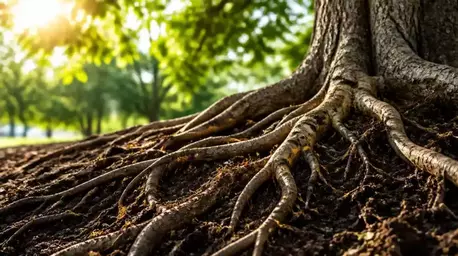
The roots of trees are often overlooked, yet they play a critical role in their health and stability. Healthy soil directly influences root development in several ways:

  • Root Expansion: Good soil structure encourages roots to spread out, maximizing access to water and nutrients.
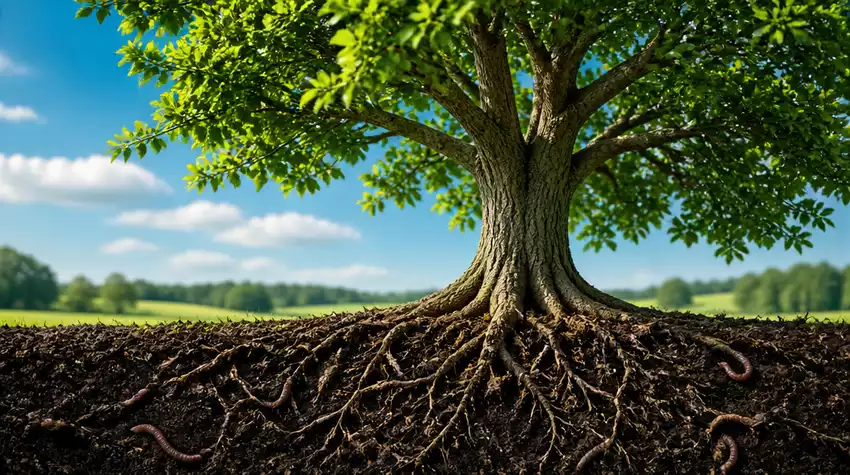
  • Soil Microbiome: A thriving community of microorganisms in healthy soil enhances nutrient absorption, vital for root growth.
  • Support and Stability: Well-aerated soil provides the physical support roots need to anchor trees securely.

By nurturing soil health, we empower tree roots to flourish, ultimately creating a more stable and resilient landscape. At Rooted Edge, I love sharing these insights with homeowners and professionals, emphasizing the importance of a strong foundation for successful tree growth.

The Three Pillars of Soil Health and Their Impact on Trees

Soil health can be understood through three main pillars: physical, biological, and chemical properties. Each pillar plays a unique role in supporting tree growth and vitality.

Let’s dive deeper into these properties to see how they specifically benefit our trees!

Pro Tip

Want to supercharge your tree growth? Consider incorporating organic compost into your soil management routine. Not only does it enrich the soil with nutrients, but it also improves soil structure and moisture retention, creating a more conducive environment for tree roots to thrive.

Building a Healthy Soil Environment for Long-Term Tree Growth

Creating a thriving environment for trees starts with understanding the unique challenges posed by urban and agricultural settings. Soil health is often compromised due to factors like compaction and poor management practices. As an arborist and landscape designer, I’ve seen how addressing these challenges can lead to healthier trees and more sustainable landscapes.

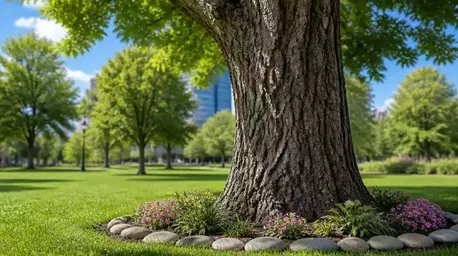
In urban areas, the soil is frequently altered by construction and constant foot traffic. This can lead to compaction, which restricts root growth and water infiltration. Thankfully, there are effective solutions to counteract these issues and enhance soil quality for trees in cities. For instance, understanding tree care around hardscapes is crucial for urban environments.

Addressing Urban and Agricultural Soil Challenges

When it comes to urban settings, it’s essential to implement specific strategies to combat soil compaction. Here are some effective solutions:

  • Soil Aeration: This process involves perforating the soil with holes to allow air, water, and nutrients to penetrate deeper.
  • Using Permeable Paving: Choosing materials that promote water drainage can reduce compaction and improve tree health.
  • Regular Mulching: Applying mulch helps retain moisture and protects the soil structure.

For agricultural tree crops, best practices are equally important. Implementing cover crops can boost soil health while providing additional benefits. Cover crops not only enhance soil structure but also prevent erosion and suppress weeds.

Implementing Best Practices for Agricultural Tree Crops

In agricultural settings, trees can thrive alongside crops if managed correctly. Some essential practices include:

  • Diversifying Plantings: Mixing trees with various crops can promote biodiversity and improve soil health.
  • Rotational Grazing: Allowing livestock to graze in a controlled manner can enrich the soil.
  • Conservation Tillage: Minimizing tillage preserves the soil structure and protects microorganisms.

Urban Soil Health: Strategies for Improved Soil Quality in City Landscapes

Urban landscapes can be greatly improved with the right soil health strategies. Consider incorporating these methods:

  • Tree Pits with Quality Soil: Design tree pits that contain high-quality, organic-rich soil to encourage healthy growth.
  • Community Engagement: Educate local communities on the importance of soil care and tree maintenance.
  • Restoration Projects: Participate in or initiate restoration projects to enhance urban green spaces.

Agroforestry is another exciting approach that combines tree growth with sustainable land use management. By integrating trees into agricultural landscapes, we can enhance both biodiversity and productivity. This is a topic often discussed in eco-friendly landscaping benefits for homeowners.

Economic Considerations: Investing in Soil Health

Investing in soil health is not just beneficial for the environment; it also makes sound economic sense. Analyzing the costs and benefits can reveal just how valuable healthy soil is. Here are some key points to consider:

  • Cost-Benefit Analysis: Investing in soil health can save money in the long term by reducing the need for tree replacements.
  • Long-Term Benefits: Healthy soil contributes to the longevity of trees, which can enhance property values.
  • Economic Impact: High soil quality can positively affect local forestry practices, creating sustainable jobs and resources.

Dispelling Myths: What You Should Know About Soil Management

There are many misconceptions about soil management that can hinder progress. Let’s clear up a few:

  • Myth vs. Fact: Some believe that trees require constant wet soil, but in reality, drainage is crucial for their health.
  • Soil Additives: Not every soil additive is beneficial. It’s essential to understand what your soil truly needs.
  • Soil Microorganisms: The idea that all microorganisms are harmful is false; many play vital roles in nutrient cycling.

By understanding the true nature of soil management, we can cultivate healthier trees and, ultimately, more vibrant landscapes.

Frequently Asked Questions About Soil Health and Tree Growth

Soil health is critical for tree vitality because it impacts nutrient availability, biodiversity, water regulation, and provides stability through robust root development. Healthy soil ensures trees can access essential resources and resist pests and diseases.

Key characteristics include good soil structure (allowing root penetration), balanced texture (sand, silt, clay for drainage and aeration), rich organic matter (for nutrient availability), appropriate pH level (typically 6.0–7.0), balanced essential nutrients, and proper moisture retention.

Urban soil challenges like compaction can be addressed through strategies such as soil aeration (perforating soil for better penetration), using permeable paving materials, regular mulching to retain moisture and protect soil structure, and designing tree pits with high-quality, organic-rich soil.

Investing in soil health offers long-term economic benefits, including reduced tree replacement costs due to increased tree longevity, enhanced property values from healthier landscapes, and a positive economic impact on local forestry practices by creating sustainable jobs and resources.

Conclusion: The Lasting Impact of Soil Health on Tree Resilience

In summary, the link between soil health and tree longevity cannot be overstated. By fostering a deeper understanding of how to improve soil quality, we can ensure that our trees thrive for generations to come. I encourage you to take action today—assess your soil health and explore the resources available through Rooted Edge to enhance your outdoor environment.

Whether you’re a homeowner or a professional, remember that the journey to a healthy landscape starts from the ground up. Let’s work together to create sustainable, beautiful outdoor spaces!

Recap of Key Points

Here is a quick recap of the important points discussed in the article:

  • Soil Health Definition: Soil health is vital for tree vitality, characterized by its structure, texture, and organic matter content.
  • Key Characteristics: Healthy soil should have an appropriate pH level, balanced nutrients, and good moisture retention.
  • Root Development: Healthy soil promotes root expansion, supports soil microbiomes, and provides stability for trees.
  • Urban Soil Challenges: Soil compaction in urban areas can be mitigated through aeration, permeable paving, and regular mulching.
  • Agricultural Practices: Implementing cover crops, diversifying plantings, and practicing conservation tillage can enhance soil health for tree crops.
  • Economic Benefits: Investing in soil health can lead to long-term savings and increased property values.
  • Myth Busting: Understanding soil management misconceptions can lead to better tree care and landscape health.