Eco-Friendly Landscaping Practices Explained
By Elena Whitmore / Sep 19
Urban trees are vital to our well-being and the health of our communities. Did you know that the presence of healthy trees not only beautifies our neighborhoods but also supports biodiversity and improves air quality? The understanding of common tree diseases is crucial for maintaining these essential green assets. By being proactive in tree care, we can create thriving urban environments. Let's explore the key takeaways from this insightful article.
Understanding the primary tree diseases affecting urban areas and the effective management strategies can help preserve our urban forests. For more comprehensive guidance, consider our tree maintenance services.
Invasive species can weaken local ecosystems by outcompeting native species for resources, significantly impacting urban trees.
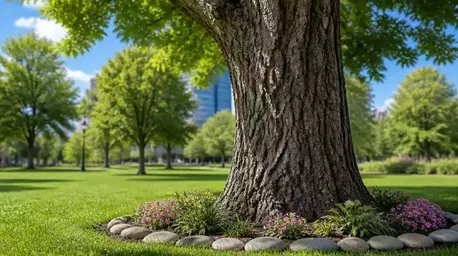
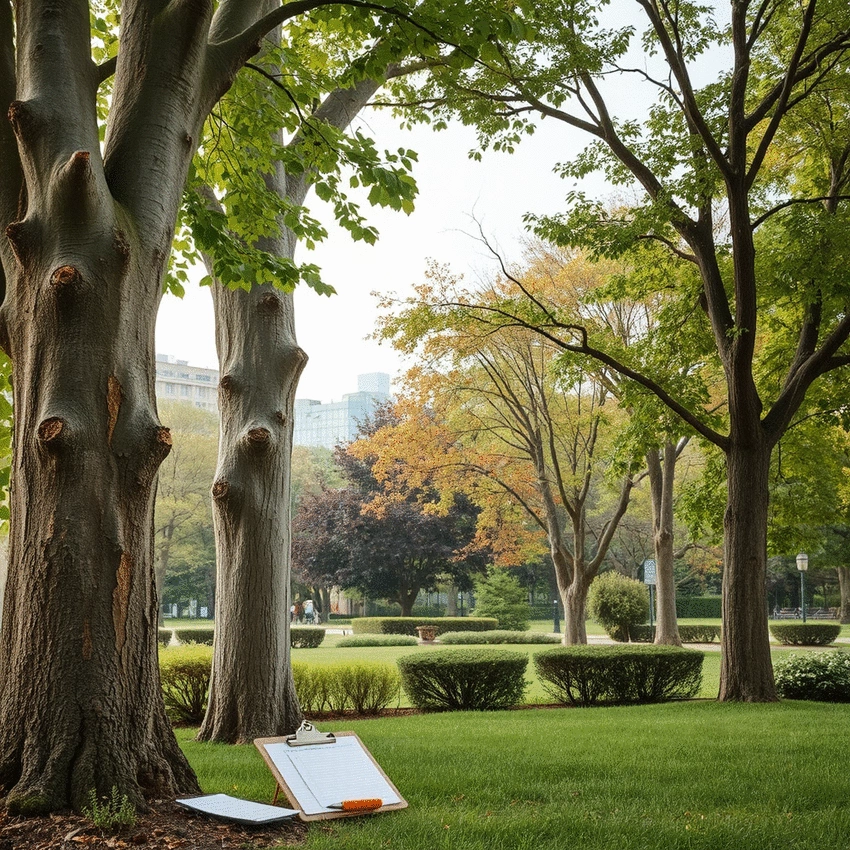
As an arborist and landscape designer, I’ve seen firsthand how the health of our urban trees is essential for vibrant neighborhoods. Urban trees do more than just beautify our streets; they play a vital role in improving air quality, providing shade, and enhancing our overall well-being. By understanding common tree diseases, we can better protect these valuable assets and ensure our urban environments thrive.
When we talk about the significance of tree health, we’re touching on two key areas: biodiversity and community well-being. Trees are a habitat for countless species, contributing to the stability of our ecosystem. In addition, healthy trees can positively impact our mood, reduce stress, and even promote social interactions within our communities. At Rooted Edge, we believe that every tree contributes to a healthier urban landscape, making tree health a priority.
Have you ever wondered how tree health influences the diversity of life around us? The presence of healthy trees supports various wildlife, including birds, insects, and small mammals. Each tree acts as a mini-ecosystem, encouraging species to flourish, which in turn benefits the entire urban area. To learn more about how trees integrate into urban planning, see our article on designing landscapes with trees.
Moreover, when trees are robust and thriving, they help improve the quality of life for residents. They provide shade during hot summer months, reduce noise pollution, and even enhance property values. By investing in our trees, we’re investing in the well-being of our community.
The link between tree health and biodiversity is clear. When trees are well-maintained, they support various species and contribute to a balanced ecosystem. This symbiotic relationship is vital; healthy trees provide food and shelter for wildlife, while also enhancing urban aesthetics and livability.
In a thriving urban landscape, we can expect to see a host of different species, from butterflies to birds, all of which add vibrancy to our neighborhoods. By fostering this biodiversity, we create healthier communities that can enjoy a richer connection to nature.
Urban trees play a crucial role in climate resilience, helping to mitigate the effects of climate change. Their canopies offer shade, which reduces the heat island effect often seen in cities. By absorbing carbon dioxide, they help combat greenhouse gases and improve air quality.
Furthermore, trees contribute to stormwater management by absorbing excess rainwater, reducing the risk of flooding. Investing in tree health is a step towards a more resilient urban environment, ensuring that our trees can continue to thrive despite environmental challenges.
To maintain the health of our urban trees, we must be aware of the common diseases that can impact them. Early detection is vital! Here are some of the most prevalent tree diseases found in urban areas:
Identifying tree diseases early ensures effective management and treatment, helping our precious trees recover and thrive in their urban settings. At Rooted Edge, we emphasize the importance of recognizing these threats and taking action to protect our green spaces. For practical advice on tree care, read our urban tree care tips.
Recognizing the symptoms of tree diseases can be the difference between life and death for our trees. Common signs include:
By keeping an eye on these indicators, homeowners and professionals alike can take early action to protect their trees. Remember, at Rooted Edge, we're here to help you understand and manage these symptoms effectively!
Several factors contribute to tree diseases in urban landscapes. These include:
Each of these factors can weaken a tree, making it more vulnerable to diseases. It's crucial to address these issues to maintain a healthy urban forest.
Invasive species can have a devastating effect on urban trees. They often outcompete native species for resources, weakening the local ecosystem. Examples include the *emerald ash borer*, which has caused significant losses in ash trees across the country.
By understanding the impact of these invasive pests, we can take proactive measures to protect our trees. This involves monitoring tree health regularly and implementing control strategies when necessary. At Rooted Edge, we are committed to educating our community on the importance of this vigilance!
Here's a brief recap of the key points discussed so far:
Here are some frequently asked questions about urban tree health and disease management:
Urban landscapes can be a haven for trees, but they also face unique challenges! Understanding tree diseases is essential for maintaining the health and beauty of our green spaces. In this section, I'll answer some common questions and emphasize the importance of proactive tree care practices to protect our urban forests.
One of the most frequently asked questions is, *What are the most common tree diseases in urban environments?* Urban trees are susceptible to a variety of diseases, including Anthracnose, Oak Wilt, and Fire Blight. Each of these diseases can significantly affect tree health and urban biodiversity, but knowledge is power when it comes to prevention and management!
Another common inquiry is, *How can urban tree diseases be effectively managed?* The answer lies in a combination of good practices and community awareness. Regular monitoring, proper tree care, and timely interventions are crucial to keeping our trees healthy. For more on proactive management, consider our insights on sustainable tree care for homeowners.
As we've discussed, tree diseases can vary widely, but some of the most problematic ones in urban settings include Verticillium Wilt, Powdery Mildew, and the Emerald Ash Borer. Recognizing symptoms early can make all the difference in managing tree health effectively!
Management strategies should include:
By being proactive, we can reduce the impact of these diseases and ensure our urban forests thrive!
Early detection and responsive measures are vital for tree care. When we act quickly upon noticing early signs of disease, such as discolored leaves or wilting branches, we can often save our trees from significant damage. It’s like tending to a friend in need—your quick actions can make a world of difference!
Here are some key steps to promote early detection:
By staying vigilant, we can keep our community's trees healthy and happy!
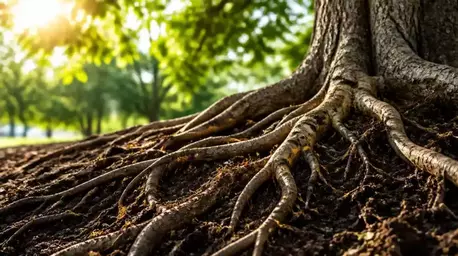
Community involvement is essential in preserving our urban trees. At Rooted Edge, we believe in empowering homeowners and local organizations to take part in tree care initiatives. Together, we can create a culture of responsibility that values and protects our green spaces. For tips on managing tree roots in urban settings, explore our article on managing tree roots by sidewalks.
With collective effort, we can build a thriving urban forest that benefits everyone!
It's time to take action! Protecting our urban trees is not just about managing diseases; it's about fostering a thriving ecosystem that enhances our communities. By implementing best practices for tree health management, we can ensure our landscapes remain beautiful for generations to come.
As we wrap up, here are some effective strategies for managing tree health:
By utilizing these practices, we’ll create healthier, more resilient urban environments! Let's take those first steps toward better tree management today.
If you’re looking for more information, consider reaching out to local arborists or attending workshops focused on tree care! Resources like community gardening clubs can also provide valuable knowledge and support.
Join us at Rooted Edge in our mission to create beautiful and sustainable outdoor environments. Together, we can empower our community to embrace tree care and ensure our urban landscapes flourish. Let’s protect our trees, enhance our communities, and foster a love for nature!
Here is a quick recap of the important points discussed in the article:
By Elena Whitmore / Sep 19
By Elena Whitmore / Sep 12
By Elena Whitmore / Sep 03