Eco-Friendly Landscaping Practices Explained
By Elena Whitmore / Sep 19
In a world increasingly affected by climate change, the importance of trees in urban settings cannot be overstated. They are not just part of the landscape; they are essential to sustainable architecture and our overall well-being.
The integration of trees in urban design offers significant financial advantages, including increased property values, reduced energy costs, and improved health benefits. For more insights on maximizing these benefits, consider reading about designing landscapes with trees.
Homes with mature trees can see property values rise by 10-20%.
Strategic tree placement can reduce cooling costs by up to 30%.
Trees contribute to lower healthcare costs by enhancing air quality.
Green spaces increase social interaction, leading to stronger communities.
When we think about outdoor spaces, trees often play a silent yet vital role in shaping the landscape. At Rooted Edge, we believe that understanding the connection between trees and sustainable design is crucial for creating environments that not only look good but also work in harmony with nature. By incorporating trees into our outdoor architecture, we can enhance sustainability, enrich biodiversity, and create spaces that benefit both the environment and our well-being.
The integration of trees within architectural design goes beyond mere aesthetics. It involves a thoughtful approach that considers how trees contribute to our surroundings in tangible ways. They provide shade, improve air quality, and even help manage stormwater, all of which are essential elements in sustainable landscaping. As we explore these contributions, you'll see that trees are not just decorations; they are key players in our quest for a greener future!
Trees act as natural air conditioners, cooling our environment and enhancing the comfort of outdoor spaces. They contribute to energy efficiency by reducing the need for artificial cooling. This can translate into lower energy bills and a more sustainable lifestyle. Isn't it amazing how something as simple as a tree can have such a profound impact on our homes?
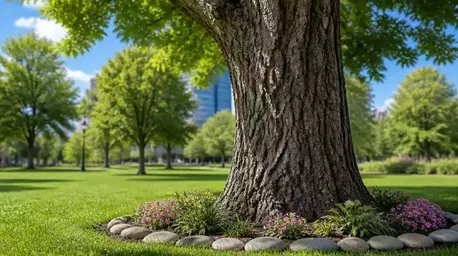
Moreover, trees enhance the beauty of our landscapes. From majestic oaks to vibrant maples, each tree species brings something unique to our outdoor environments. By strategically placing trees in urban settings, we can create inviting public spaces that promote social interactions and community engagement. This approach is fundamental to eco-friendly landscaping, offering benefits for both homeowners and the environment.
One of the most significant benefits trees provide is shade, reducing the heat in our outdoor spaces. This is especially important in urban areas where concrete and asphalt can trap heat, creating uncomfortable environments. Trees not only cool the air directly but also lower the temperatures of surrounding surfaces, leading to less reliance on air conditioning.
By planting just a few strategically placed trees, homeowners can see a noticeable drop in their cooling costs during hot summer months. Plus, the cooling effect of trees can extend to nearby buildings, making our communities more energy-efficient overall. Who wouldn't want to save on energy bills while enjoying the beauty of nature?
Trees are remarkable air purifiers! They absorb carbon dioxide and release oxygen, making our air cleaner and healthier to breathe. As an arborist, I've seen firsthand how even a single tree can make a difference in urban areas plagued by pollution. Trees capture airborne particles and other pollutants, improving air quality for everyone.
In addition to purifying the air, trees serve as carbon sinks, sequestering carbon dioxide and helping to mitigate climate change. By incorporating more trees into our outdoor designs, we actively contribute to a healthier planet. Isn't it inspiring to think how such natural elements can help combat global warming?
The urban heat island effect is a phenomenon where urban areas become significantly warmer than their rural surroundings, primarily due to human activities and infrastructure. Trees play a crucial role in combating this effect. By providing shade and releasing moisture through transpiration, they help cool the environment and reduce temperatures.
Some effective strategies for mitigating the urban heat island effect include:
By adopting these strategies, we can create cooler, more comfortable urban spaces that benefit both residents and the environment.
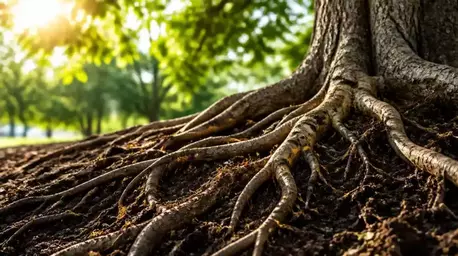
Did you know that trees play an essential role in managing stormwater? Their root systems help absorb rainfall, reducing the amount of runoff that can lead to urban flooding. The leaves and branches also slow down rainwater, allowing it to penetrate the ground rather than overwhelming drainage systems.
Planting trees in urban settings creates a natural sponge effect, helping to control stormwater and prevent soil erosion. This not only protects our infrastructure but also enhances the health of our ecosystems. Imagine walking through a park after a rainstorm, where puddles have quickly disappeared, thanks to the trees doing their job!
Integrating trees with permeable surfaces is another effective way to manage rainwater. When trees are planted alongside permeable pavements, the water can flow through the surface and be absorbed by the tree roots. This synergy supports tree health while reducing the risk of flooding and contamination in urban areas.
Some key benefits of using permeable surfaces include:
By embracing this approach, we can create sustainable landscapes that thrive and adapt to the environment.
Trees are vital for promoting biodiversity, especially in urban landscapes where natural habitats are often limited. They provide food, shelter, and nesting sites for various species, including birds, insects, and mammals. By incorporating native trees into our designs, we can support local wildlife and create thriving ecosystems.
Some ways to enhance biodiversity include:
In doing so, we foster a richer, more vibrant community that benefits both people and nature.
As we think about integrating trees into our outdoor architecture, it’s essential to choose the right species. Selecting native or drought-resistant trees, like Ficus Hillii and Liquidambar styraciflua, ensures that our landscapes remain resilient and thrive in changing climates. These species not only provide beauty but are also well-suited for urban environments.
At Rooted Edge, we emphasize the importance of understanding your local climate and soil conditions when selecting tree species. This approach not only enhances the success of your planting but also aligns with sustainable practices that benefit the ecosystem. It's about creating a community of trees that can withstand the test of time! For more details on maintaining the health of your trees, explore our tree maintenance services.
By following these strategies, we can create urban landscapes that are both functional and beautiful, enhancing the overall quality of life for all inhabitants.
Selecting tree species that enhance climate resilience is crucial. Trees must be able to withstand extreme weather conditions, such as heatwaves and storms. Focusing on species with strong root systems and adaptability to varying conditions will ensure their survival and continued benefits.
For instance, trees like Red Maple and Black Locust are known for their resilience in urban settings. They not only thrive in challenging environments but also provide essential ecological services. By choosing the right species, we can strengthen our urban forests, making them more capable of facing climate challenges.
To address soil health issues and ensure adequate root support for trees in urban areas, innovative planting techniques are essential. Techniques like using soil amendments, creating tree pits, and installing root barriers can significantly enhance tree growth and longevity.
Additionally, employing methods such as:
...can help create a thriving environment for our trees. By utilizing these strategies, we ensure our urban forests not only survive but flourish!
Beyond their environmental contributions, trees bring a host of aesthetic benefits to our landscapes. They enhance the visual appeal of neighborhoods, creating lush, inviting spaces that promote community pride. A well-placed tree can transform an ordinary street into a picturesque avenue, encouraging residents to spend more time outdoors.
Moreover, trees can significantly increase property values. Studies have shown that homes surrounded by trees often command higher prices, making them a worthwhile investment. Isn’t it great that something as simple as planting a tree can lead to increased property values while beautifying our surroundings?
Did you know that trees can positively impact our mental health? Research indicates that spending time in green spaces reduces stress and promotes relaxation. The calming presence of trees can create a sense of peace, making them a vital component in urban environments.
Additionally, trees act as natural noise barriers, absorbing sound and reducing noise pollution. This is particularly beneficial in bustling urban areas where noise can be overwhelming. Incorporating trees into our designs can help create serene havens amid the chaos of city life.
In considering the future of sustainable architecture, we must recognize the importance of evergreens in urban resilience. These trees provide year-round greenery and play a crucial role in maintaining urban stability. Their ability to withstand harsh weather conditions and provide consistent shelter makes them invaluable in our landscapes.
Have you noticed how seasonal design approaches can enhance outdoor architecture? By incorporating seasonal tree planting, we can ensure that our spaces are vibrant and alive throughout the year. Imagine walking through a park in spring, surrounded by blooming blossoms, only to return in autumn to a canopy of fiery colors! For more on seasonal care, consider these year-round tree care tips.
By embracing these concepts, we can create dynamic outdoor environments that resonate with the changing seasons and enhance our quality of life.
Lastly, the principles of biophilic design remind us of the importance of connecting people with nature. Incorporating trees into urban landscapes creates spaces that foster emotional connections and a deep appreciation for the environment. As we design our outdoor spaces, let’s ensure we prioritize this relationship, enhancing not only the aesthetics but also the well-being of our communities.
At Rooted Edge, we’re passionate about creating landscapes that reflect this philosophy. By integrating trees into our designs, we’re not just beautifying spaces; we’re building a healthier, more sustainable future for everyone. Together, let’s cultivate spaces that inspire and connect us to the natural world around us!
Here's a brief recap of the key points discussed so far:
In recent years, we've witnessed remarkable projects that showcase how trees can be effectively integrated into outdoor architecture. These successful examples not only highlight aesthetic appeal but also demonstrate the environmental benefits that trees bring to urban settings. As I delve into these inspiring case studies, I hope you’ll feel motivated to explore similar strategies for your own outdoor spaces.
Consider the *High Line* in New York City, a former railway turned elevated park. This unique space features a variety of trees and native plants that enhance the urban landscape while providing a green oasis for visitors. Another great example is the *Gardens by the Bay* in Singapore, where innovative designs incorporate trees and greenery to create a stunning ecological environment. These projects illustrate the potential for trees to transform urban areas into vibrant, sustainable landscapes.
Let’s take a closer look at some notable projects that effectively integrate trees into their designs:
These examples not only beautify their environments but also provide essential benefits like improved air quality, reduced heat, and enhanced biodiversity. As the owner of Rooted Edge, I believe that incorporating trees thoughtfully can create a lasting impact in our communities!
Now, let's talk numbers! The financial returns of incorporating trees into outdoor architecture can be quite significant. Studies show that trees can increase property values and reduce energy costs, which can lead to impressive savings. Here are some key benefits you might find interesting:
The data speaks volumes! Investing in trees not only serves the environment but also creates a positive return on investment for homeowners and cities alike. It’s a win-win situation that Rooted Edge is passionate about promoting.
As we move forward, the role of trees in sustainable outdoor architecture will only grow more vital. Adapting our strategies to meet climate-specific needs is crucial for ensuring the longevity and health of urban trees. I am excited about the future possibilities as we embrace innovative approaches to tree planting and maintenance.
Integrating technology with tree planting can help us monitor their health and needs more efficiently. Smart irrigation systems and sensors can ensure that our trees thrive even in tough urban environments. At Rooted Edge, we strive to stay ahead of these trends to provide the best solutions for our clients.
It’s important to consider local climate conditions when selecting tree species and planning maintenance. Here are some strategies to keep in mind:
By taking these factors into account, we can design urban spaces that are not only beautiful but also sustainable for generations to come!
Technology is playing an exciting role in the future of urban tree care. Innovations such as smart irrigation systems and data-driven tree monitoring can greatly enhance tree growth and health. Here are some ways technology can support our efforts:
As we embrace these technological advancements, we can ensure that trees flourish in urban environments, aligning with Rooted Edge's mission to create sustainable outdoor spaces.
Urban forestry is essential for promoting sustainability and enhancing biodiversity in our cities. Advocating for urban forestry initiatives can lead to greener, healthier communities. Here’s how we can contribute:
Together, we can advance urban forestry initiatives, building a future where trees and communities thrive in harmony!
Here is a quick recap of the important points discussed in the article:
By Elena Whitmore / Sep 19
By Elena Whitmore / Sep 12
By Elena Whitmore / Sep 03