Eco-Friendly Landscaping Practices Explained
By Elena Whitmore / Sep 19
Are you ready to transform your limited outdoor space into a thriving urban paradise? Managing tree growth in confined areas requires strategic planning and a keen understanding of both the challenges and opportunities that come with urban gardening. This article dives into essential strategies and communal resources that can help you nurture your trees while maintaining harmony with your surroundings.
Understanding the essential strategies that contribute to effective tree management in confined areas ensures a harmonious outdoor environment. For a deeper dive into creating visually appealing and functional green spaces, explore our guide on designing landscapes with trees.
Effective pruning shapes trees and controls size, maintaining balance in small areas.
Choosing the right tree species for confined spaces ensures healthy growth without damage to property.
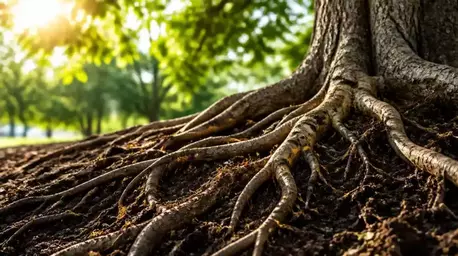
Proper root management prevents damage to foundations and enhances tree longevity.
Engaging in sustainable practices ensures the health of urban trees while protecting properties.
Managing tree growth in urban settings and small properties can be quite the challenge! With limited space, it's crucial to think about how trees can thrive without overwhelming their surroundings. At Rooted Edge, I’ve seen firsthand how careful planning and consideration can lead to beautiful, sustainable outdoor environments, even in confined areas.
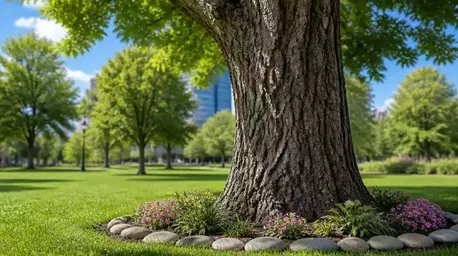
In cities or small yards, trees must compete for space with buildings, sidewalks, and other plants. This means that tree size management becomes essential. By keeping trees at an appropriate size, we can maintain both their health and the safety of our properties. It’s about finding that perfect balance between nature and urban living!
One of the key aspects of managing tree growth in limited areas is understanding why size management is important. Trees that grow too large can create a host of problems, like obstructing views or damaging structures. Furthermore, urban trees often face unique stresses that can impact their growth, making it vital to stay proactive about their health. Learn more about urban tree care tips to keep your trees thriving.
By carefully selecting and managing tree species, we can ensure a better fit for our limited spaces. This not only enhances the aesthetics of our surroundings but also promotes ecological health. Remember, every tree is an investment in our environment, so it’s essential to manage their size wisely!
In smaller spaces, there are several common tree growth issues to watch out for. Here are a few to consider:
Being aware of these potential problems allows us to take preventive measures. At Rooted Edge, I emphasize the importance of early intervention and regular maintenance to keep tree growth in check.
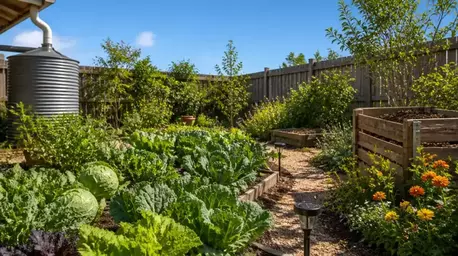
Urban gardening practices significantly influence how we manage tree growth in confined spaces. With the trend of turning small backyards and balconies into lush gardens, trees can be integrated thoughtfully. Such integration not only beautifies our spaces but also fosters a sense of community and connection to nature.
When implementing urban gardening methods, consider using vertical gardening techniques that allow for more efficient space use. These methods can enhance the growth of your trees by ensuring they receive adequate sunlight and airflow. Besides, they create a stunning visual impact that can make any urban landscape feel more inviting!
Here's a brief recap of the key points discussed so far:
When it comes to managing tree growth in limited spaces, there are several essential strategies to keep in mind. First and foremost, effective pruning techniques play a crucial role in shaping your trees and controlling their size. By selecting the right tree species that are suitable for confined areas, you can ensure that they thrive without causing damage to your property. Lastly, implementing proper root management can help you avoid any unwanted complications down the line.
Additionally, it’s important to remember that maintaining trees in small areas is not just a matter of aesthetics but also functionality. Trees can provide shade, improve air quality, and enhance the overall appeal of your landscape. That's why understanding and applying the right strategies is vital for anyone looking to create a harmonious outdoor environment. For sustainable care, consider learning more about tree maintenance services.
At Rooted Edge, we believe that sustainable practices are key to ensuring the health of our urban trees while protecting our properties. It’s not just about keeping trees looking good; it’s about ensuring they grow in a way that is beneficial for both the environment and your home. Regular maintenance, including monitoring for pests and diseases, is essential for sustaining tree health.
Furthermore, remember that the safety of your property is also a priority! Engaging in routine assessments and being proactive about potential issues can save you time and money in the long run. When you prioritize sustainable practices, you’re investing in the future of your outdoor spaces.
Connecting with local resources is a fantastic way to enhance your tree management knowledge and practices. Here are some options to consider:
By leveraging these resources, you can deepen your understanding of tree management and connect with others who share your passion for creating beautiful outdoor spaces. For more information on preventing root damage, check out our article on root damage prevention for foundations.
I would love to hear from you! Have you faced challenges in managing tree growth in limited spaces? Or perhaps you have some tips that worked wonders for you? Feel free to share your experiences or ask any questions you might have. Engaging in this dialogue helps us all learn from each other and foster a community that values tree care.
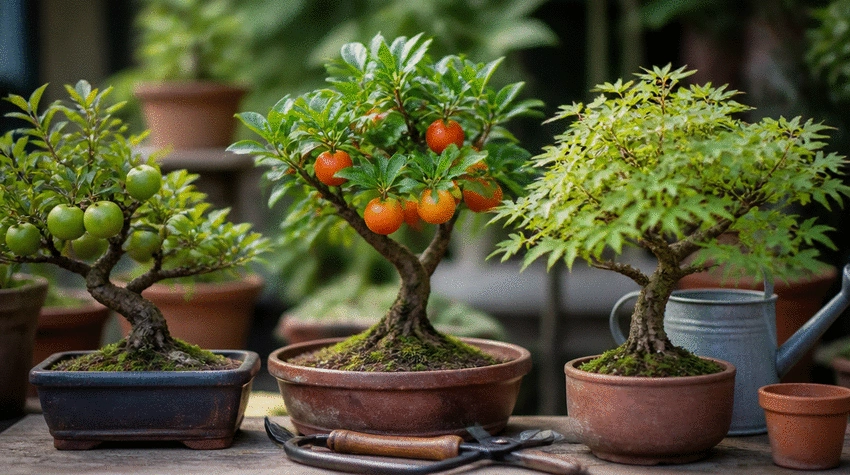
Another exciting aspect of tree management is integrating edible landscapes and community gardens into your outdoor design. Imagine having fruit-bearing trees that not only enhance your space but also provide delicious produce!
Here are some ideas for incorporating edible landscapes:
By blending tree management with edible landscaping, you contribute positively to the environment while enjoying the fruits of your labor! Learn more about eco-friendly garden tree designs for inspiration.
Here is a quick recap of the important points discussed in the article:
By Elena Whitmore / Sep 19
By Elena Whitmore / Sep 12
By Elena Whitmore / Sep 03