Eco-Friendly Landscaping Practices Explained
By Elena Whitmore / Sep 19
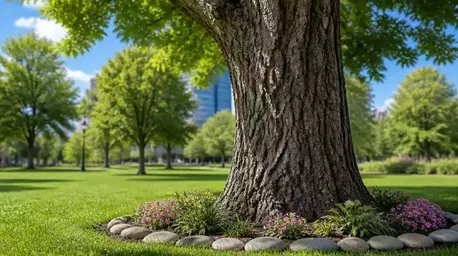
Have you ever experienced a moment of tranquility under the shade of a tree, feeling a deep connection to nature? This article highlights how integrating trees into outdoor architecture can transform our environments and enhance well-being.
Key advantages of incorporating trees into outdoor architecture are highlighted below.
Trees provide habitats for various species, enhancing ecological diversity.
They create cool areas for relaxation and gatherings, improving outdoor comfort.
Beautiful trees enhance the visual landscape, making spaces inviting.
Nature can boost mood and reduce anxiety, promoting mental health.
Green spaces can spark innovative thinking and ideas.
Shared green areas encourage social interactions and community bonding.
When we think about outdoor architecture, trees are often the unsung heroes. They offer a wealth of benefits, from enhancing biodiversity to providing shade and elevating the aesthetic appeal of any space. At Rooted Edge, we believe that trees not only beautify our surroundings but also play a crucial role in creating a balanced ecosystem, including providing essential tree maintenance services.
For instance, trees act as natural air filters, absorbing carbon dioxide and releasing oxygen, which is vital for our environment. Additionally, they help reduce urban heat, making outdoor spaces more enjoyable during hot months. By integrating trees into our designs, we create inviting areas that nurture both people and wildlife!
Have you ever walked into a space filled with greenery and felt an immediate sense of calm? That’s the magic of biophilic design, which embraces our innate connection to nature. This principle encourages us to bring the outdoors inside and integrate natural elements—like trees—into our architectural spaces.
At Rooted Edge, we advocate for designs that foster well-being by incorporating trees into public and private areas. By doing so, we create environments that promote health, reduce stress, and enhance creativity. Imagine relaxing beneath a canopy of leaves or enjoying the sounds of rustling branches; these experiences remind us of the serenity found in nature. We also emphasize sustainable tree care for homeowners to ensure these benefits last.
To truly appreciate the integration of trees into outdoor architecture, let's look at some inspiring case studies. Notable projects like the Forested House by SHMA and Gardens by the Bay showcase how trees can transform space and elevate design.
The Forested House is a striking example of how trees can be seamlessly woven into a residential design. By incorporating trees both inside and outside, the architects created a unique living experience that fosters an intimate connection with nature. Similarly, Gardens by the Bay in Singapore is celebrated for its innovative use of trees and greenery within an urban setting, creating a vibrant ecosystem that attracts visitors and wildlife alike.
One of the most exciting ways to incorporate trees is through green roofs and living walls. These innovative designs allow us to maximize vertical space while bringing vital greenery into urban environments. Imagine lush foliage thriving on your rooftop or cascading down a wall!
Green roofs not only provide insulation but also help manage rainwater, reducing runoff and flooding. Living walls, on the other hand, can enhance air quality and create stunning visual displays. At Rooted Edge, we encourage homeowners to explore these options for a sustainable and beautiful approach to architecture.
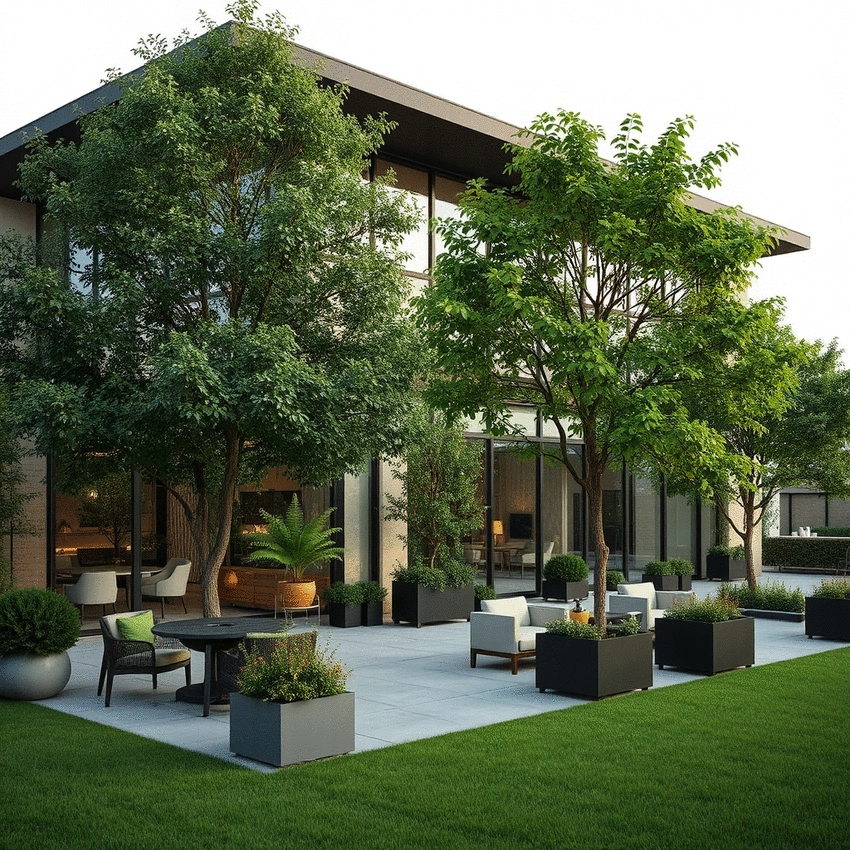
Courtyards can be magical spaces when designed with trees in mind! They offer a serene escape while providing privacy and enhancing aesthetics. By thoughtfully placing trees in these areas, we can create intimate settings perfect for relaxation or gatherings.
Consider using native tree species that thrive in your local climate, ensuring that they flourish and contribute positively to the environment. At Rooted Edge, we believe that integrating trees into outdoor spaces can turn any backyard or courtyard into a personal oasis!
Here's a brief recap of the key points discussed so far:
When it comes to integrating trees into architectural designs, considering long-term maintenance and lifecycle costs is crucial. Trees require ongoing care, from watering and fertilizing to pruning and disease management. Understanding these costs up front can help homeowners and architects alike budget effectively, ensuring that the beauty and benefits of trees are sustained over time. We often recommend reviewing tree care around hardscapes to prevent future issues.
One of the primary aspects of lifecycle costs involves evaluating initial investment versus long-term savings. While the upfront costs of planting and integrating trees might seem high, the benefits—such as reduced energy bills from natural shading and increased property value—often outweigh these expenses. By planning accordingly, we can make informed decisions that align with both budget and vision.
Successful integration of trees into outdoor architecture relies heavily on collaboration. At Rooted Edge, we believe that a well-coordinated team brings forth the best designs. It starts with clear communication among all parties involved—architects, engineers, and arborists must share their insights and expertise to create harmonious and sustainable outdoor spaces.
Here’s a simple step-by-step approach to guide this collaboration:
Navigating local regulations is an important step in the process of tree integration. Each community has its own set of rules regarding tree planting and preservation. Understanding these regulations not only ensures compliance but also promotes the health of the local ecosystem. For more information on proactive measures, consider root management for hardscaped areas.
Here are a few key points to keep in mind when dealing with permits:
Visual content plays a vital role in showcasing the integration of trees into architecture. At Rooted Edge, we often utilize project galleries and infographics to illustrate our designs and demonstrate the transformative power of trees. Engaging visuals can help clients visualize the potential of their outdoor spaces, making it easier for them to grasp the benefits of thoughtful tree integration.
Using visuals not only enhances understanding but also inspires creativity. Think of how a well-placed infographic can convey complex information, such as the benefits of shade trees in urban settings or the selection process for the right tree species. By including these elements, we make the design process more accessible and enjoyable for everyone involved.
Integrating trees into architecture is more than just a design choice; it’s an opportunity to foster a deeper connection with nature. I encourage architects and designers to prioritize tree integration in their projects. This not only enhances the beauty of the space but also contributes positively to the environment. For guidance on appropriate tree selection and placement, explore designing landscapes with trees.
If you're ready to explore how trees can elevate your architectural designs, don’t hesitate to reach out! At Rooted Edge, we’re here to guide you through the process, ensuring that every outdoor space is as stunning as it is sustainable. Let’s cultivate your vision together!
Here is a quick recap of the important points discussed in the article:
By Elena Whitmore / Sep 19
By Elena Whitmore / Sep 12
By Elena Whitmore / Sep 03