Eco-Friendly Landscaping Practices Explained
By Elena Whitmore / Sep 19
What if you could transform your garden into a thriving ecosystem that not only beautifies your space but also plays a vital role in combating climate change? Tree-driven design serves as the foundation for creating such eco-friendly gardens. This approach prioritizes trees, enabling you to enhance both the aesthetic appeal and ecological health of your landscape.
The following highlights the key benefits of incorporating a tree-centric approach into your garden design, showcasing both environmental advantages and aesthetic improvements. For deeper insights into thoughtful tree integration, explore our guide on designing landscapes with trees.
Trees provide shade and reduce temperatures, making your garden more comfortable.
Trees absorb carbon dioxide, helping to combat climate change.
A well-planned tree layout provides habitats and food sources for various wildlife.
Trees add structure and beauty to your garden, creating visual interest throughout the year.
Creating an eco-friendly garden begins with a keen understanding of tree-driven design. This approach emphasizes the strategic placement and selection of trees to enhance not just the beauty of your landscape but also its ecological health. By prioritizing trees in your garden, you can create spaces that are not only visually appealing but also supportive of wildlife, mitigate climate change, and contribute positively to the environment.
At Rooted Edge, I believe that trees are the backbone of any sustainable landscape. They provide shade, improve air quality, and serve as habitats for various species. By integrating trees thoughtfully into your designs, we're fostering environments that are both aesthetically pleasing and ecologically beneficial. Let’s delve deeper into how tree-centric landscaping can transform your garden!
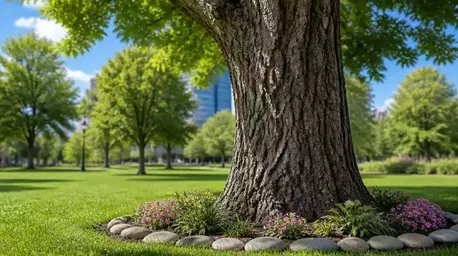
Tree-centric landscaping is all about making trees the focal point of your garden design. This method allows us to create a harmonious relationship between nature and design, promoting both beauty and sustainability. Some key benefits include:
When we think about sustainable design, trees play a crucial role. They are essential for maintaining healthy ecosystems and are integral to effective water management. By planning your garden with trees as the centerpiece, you can create a lush environment that supports both plant and animal life. Imagine walking through a garden filled with vibrant foliage, where trees not only provide shade but also act as natural water filters! For more information on how trees can harmonize with existing structures, check out our article on tree care around hardscapes.
In my experience, incorporating trees into your landscape also encourages a sense of tranquility. Trees can act as sound barriers, reduce noise pollution, and create serene spaces for relaxation. At Rooted Edge, I focus on how trees can complement existing hardscapes, harmonizing the two to enhance the overall garden experience.
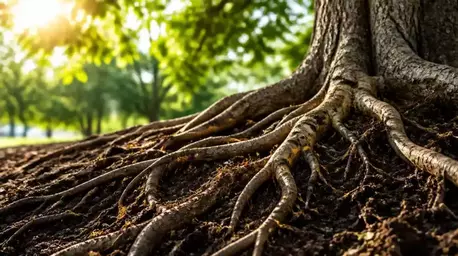
One of the most significant benefits of integrating trees into your garden is their ability to mitigate carbon emissions. As they grow, trees capture and store carbon dioxide—a vital process in combating climate change. In fact, a mature tree can absorb approximately 48 pounds of carbon dioxide each year!
Moreover, trees are essential for supporting biodiversity. They provide shelter for birds, insects, and other wildlife, fostering a thriving ecosystem. By selecting the right tree species, particularly native varieties, we can promote biodiversity in our gardens. This approach not only creates a vibrant environment but also strengthens the resilience of local ecosystems.
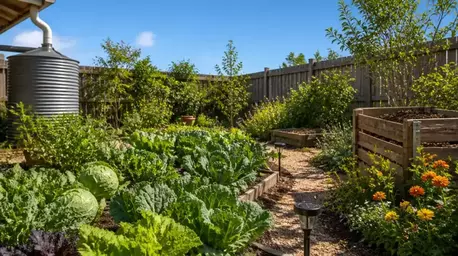
Permaculture principles focus on creating sustainable and self-sufficient agricultural ecosystems. By integrating these principles with tree-centric design, we can develop gardens that work in harmony with nature. This means planning gardens that are resource-efficient and resilient.
As I design landscapes at Rooted Edge, I often consider elements such as water conservation, soil health, and plant combinations that support each other. Utilizing trees as the foundation of your permaculture design fosters sustainability and can significantly reduce maintenance efforts in the long run. If you're looking for ways to keep your trees healthy and vibrant, explore our tree maintenance services.
Permaculture promotes the idea of working with nature, rather than against it. With trees at the center, we can create a multi-layered garden that maximizes space and resources. This may include:
By applying permaculture principles, we can achieve gardens that are not just beautiful but also sustainable, enriching both our lives and the environment.
Choosing the right trees is essential for enhancing biodiversity in your eco-friendly garden. Native trees, in particular, are invaluable as they are adapted to the local environment and support local wildlife. They attract beneficial insects, birds, and other wildlife that contribute to a balanced ecosystem.
At Rooted Edge, I encourage homeowners to explore the vast array of native tree species available. Selecting trees that thrive in your climate can lead to a flourishing garden that requires less maintenance and resources. Imagine transforming your backyard into a vibrant sanctuary for both you and local wildlife!
Native plants, including trees, play a pivotal role in maintaining healthy ecosystems. They provide food and shelter for local wildlife while requiring less water and maintenance than non-native species. Here are a few reasons why you should consider native trees:
By integrating native trees into your garden, you're not just enhancing its beauty—you're also contributing to the overall health of our ecosystems. Let’s work together to cultivate gardens that respect and celebrate our natural heritage! To learn more about selecting the best trees for your sustainable garden, read our tips on sustainable tree care for homeowners.
Here's a brief recap of the key points discussed so far:
A: Tree-driven design is an approach to landscaping that prioritizes the strategic placement and selection of trees as the central element of a garden. It aims to enhance both the aesthetic appeal and ecological health of the landscape.
A: Key benefits include improved microclimates (shade, reduced temperatures), carbon sequestration (trees absorb CO2), increased biodiversity (habitats for wildlife), and enhanced aesthetics (structure and visual interest).
A: Trees are crucial for maintaining healthy ecosystems, improving air quality, and effective water management. They provide shade, act as natural water filters, and help reduce noise pollution.
A: Integrating permaculture principles helps create sustainable, self-sufficient, and resource-efficient gardens. It involves layered planting, water management techniques, and soil enrichment to work in harmony with nature.
A: Native trees are adapted to local environments and support local wildlife by providing critical habitats and food sources. They require less water and maintenance and are more resistant to local pests and diseases, fostering a balanced ecosystem.
A: Rain gardens capture rainwater runoff, allowing it to soak into the ground, filtering pollutants, and supporting tree roots. They improve water quality, enhance wildlife habitat, and reduce erosion.
Designing an eco-friendly garden starts with the thoughtful integration of trees. At Rooted Edge, we believe that trees can significantly enhance both the aesthetic and functional aspects of outdoor spaces. By creatively incorporating trees into your garden designs, you create inviting environments that not only look beautiful but also support the ecosystem.
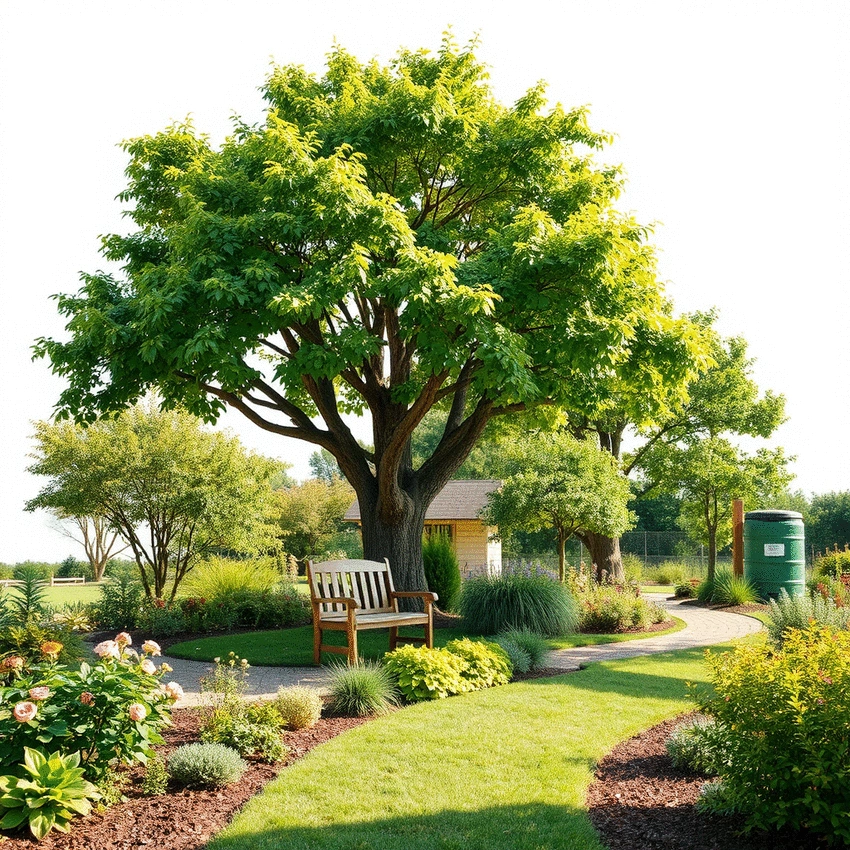
One effective way to achieve this is by crafting tree-lined pathways. These pathways not only guide visitors through your garden but also provide shade and comfort. Imagine strolling through a cool, dappled area with trees arching overhead—it's an experience that invites exploration!
When you think about tree-lined pathways, consider the materials and techniques you can use to make them both functional and attractive. Here are some ideas to get you started:
It's important to select the right species of trees based on the space available. Some trees provide dense canopies, while others have more open structures. Mixing tree types creates a dynamic landscape that adds interest throughout the seasons.
Water features can enhance the tranquility of your garden while providing essential resources for wildlife. Let's explore eco-friendly water management techniques that harmonize beautifully with tree-centric designs:
By carefully placing these features around trees, you not only enhance the visual appeal but also create a space where nature can thrive. At Rooted Edge, we find that the sound of water trickling near trees adds an element of serenity that deepens our connection to the outdoors! For more strategies on combining hardscapes with green spaces, explore our article on merging hardscape and green spaces.
Rain gardens are a fantastic addition to any eco-friendly garden, especially when designed with trees in mind. These gardens capture rainwater runoff and allow it to soak into the ground, filtering pollutants and supporting tree roots. Here are some benefits of incorporating rain gardens into your tree-driven designs:
By integrating these elements, you're not just designing a garden; you're fostering a thriving environment that showcases the beauty and utility of trees. At Rooted Edge, we understand that every garden tells a story, and with the right strategies, you can create a narrative that celebrates nature while enhancing your outdoor space!
Here is a quick recap of the important points discussed in the article:
By Elena Whitmore / Sep 19
By Elena Whitmore / Sep 12
By Elena Whitmore / Sep 03