Eco-Friendly Landscaping Practices Explained
By Elena Whitmore / Sep 19
Did you know that well-pruned trees can enhance property values and contribute to biodiversity in urban environments? Understanding the importance of safe pruning methods is essential for anyone looking to maintain the health of urban trees. Let’s explore the key takeaways from effective urban tree care practices.
Understanding the impact of safe pruning methods is vital for urban trees' health and stability. Below are critical aspects of pruning along with their benefits: Tree maintenance services are crucial for ensuring the longevity and vitality of urban trees.
Proper pruning improves light penetration and air circulation, leading to healthier tree development.
By removing unhealthy branches, pruning helps trees maintain their balance and withstand urban stresses.
Healthy trees provide habitats for wildlife, promoting biodiversity in urban environments.
Well-maintained trees enhance the aesthetic appeal of neighborhoods, positively impacting property values.
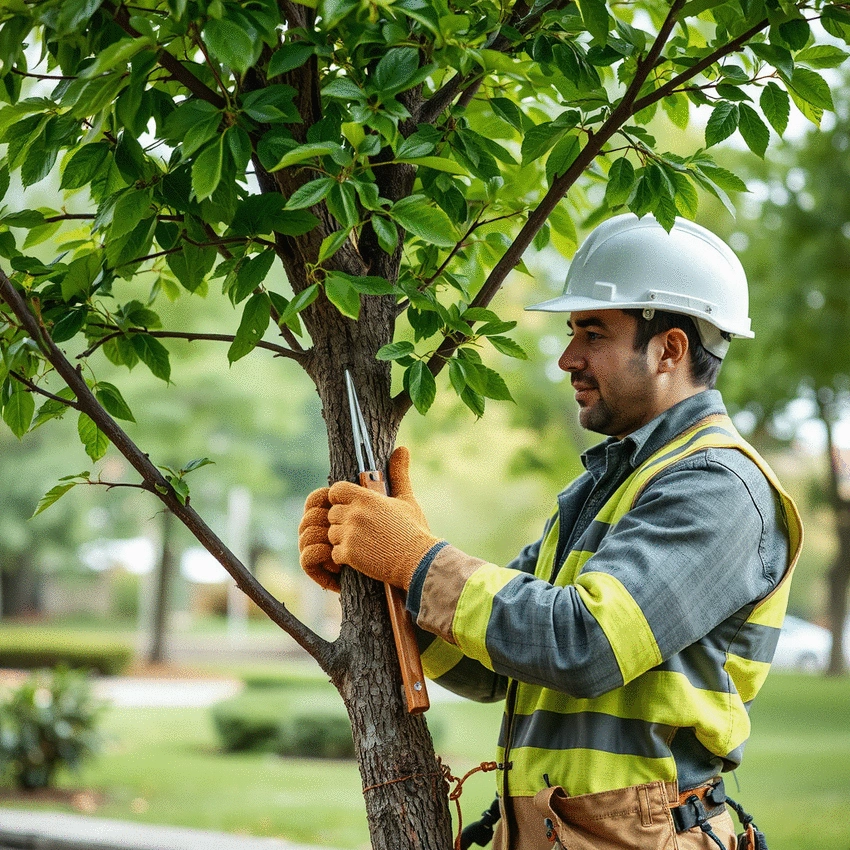
Pruning is one of the most essential practices for maintaining the health of urban trees. At Rooted Edge, I often emphasize that pruning isn't just about aesthetics; it's a vital process that directly influences the overall health and stability of trees in our urban landscapes. When done correctly, pruning can promote healthy growth, enhance the tree's structure, and prevent potential hazards, making it an important skill for any tree lover or property owner.
In urban environments, trees face unique challenges, from compacted soil to limited space. That's why understanding safe pruning methods is crucial. Proper pruning techniques can help trees thrive even in less-than-ideal conditions. This nurturing approach not only benefits the trees themselves but also contributes positively to the surrounding ecosystem.
Pruning serves multiple roles when it comes to urban trees. Firstly, it affects both growth and stability, ensuring that trees develop strong structures capable of withstanding urban stresses. By removing dead or damaged branches, we allow more light and air to reach the healthier parts of the tree, promoting better overall health.
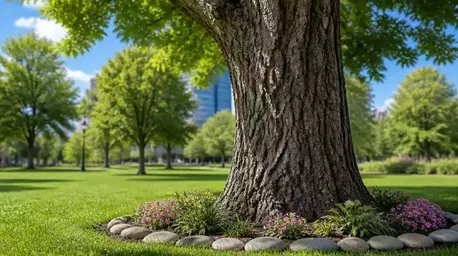
Additionally, pruning helps maintain a tree's balance, preventing overcrowding of limbs which can lead to weak growth. This action not only supports the tree but also enhances its visual appeal in our neighborhoods! It’s also important to consider tree care around hardscapes to ensure comprehensive landscape health.
When we prune, we're not just removing parts of a tree; we're actively shaping its future. Pruning allows trees to direct resources more efficiently, focusing on healthy limb and leaf development. This process mitigates the risk of instability that can arise from overcrowded branches, ensuring that each tree grows in the best possible way.
It's crucial to think about how we’re cutting as well. Making proper cuts at the right points can help trees heal faster and more effectively, allowing them to grow strong and resilient. A little knowledge can go a long way in supporting our urban forests!
Pruning urban trees isn't just about the individual tree; it's about the entire ecosystem at play. Healthy trees contribute to cleaner air and improved biodiversity. When we prune correctly, we support not only the tree's health but also the habitat for various wildlife, creating a balanced urban ecosystem.
Moreover, well-maintained trees can enhance property values and inspire community pride. Imagine walking down your street and seeing vibrant, well-pruned trees standing tall—they're not just trees; they’re a statement of care for our environment!
Urban forestry plays a vital role in the health of tree populations. Integrating urban forestry principles into pruning practices ensures that we're not just thinking about individual trees but about the broader community they serve. This holistic approach allows us to address issues such as species diversity, planting locations, and long-term care strategies. For more insights, explore designing landscapes with trees to maximize their ecological benefits.
At Rooted Edge, I believe community engagement in urban forestry is essential. When neighborhoods come together to understand and participate in tree care, we foster a sense of responsibility and ownership over our green spaces!
By aligning our pruning techniques with urban forestry principles, we can ensure sustainable practices that benefit both trees and the communities they inhabit. This means considering factors like tree species, growth habits, and the unique characteristics of urban environments. It’s like putting together a puzzle where each piece represents the intricate balance of nature in our cities.
Implementing these principles helps make informed decisions on when and how to prune, ensuring long-term tree health and ecosystem viability. Together, we can cultivate flourishing urban forests!
Engaging the community in urban forestry is crucial for creating a shared vision of tree care. When residents participate in pruning initiatives, they develop a deeper appreciation for the trees around them. This sense of community not only leads to better tree maintenance but also encourages individuals to advocate for urban green spaces.
By organizing community pruning events, we can educate residents on safe techniques while fostering connections among neighbors. Imagine the sense of accomplishment after a day of working together to enhance our local environment—it's a rewarding experience that benefits everyone!
Did you know? Timing is crucial when it comes to pruning urban trees. For most species, the best time to prune is during the dormant season—late winter to early spring. This minimizes stress on the tree and allows for quicker recovery, leading to healthier growth in the warmer months!
Pruning urban trees isn't just about aesthetics; it's vital for their health and longevity. Through safe pruning techniques, we can ensure that our trees remain stable and vibrant, contributing positively to the urban ecosystem. In this section, I'll share key takeaways that highlight how proper pruning supports tree health and stability.
Firstly, one of the main points to remember is that pruning encourages healthy growth. When done correctly, it improves light penetration, air circulation, and overall structure. Additionally, understanding the balance between removing unhealthy branches and retaining healthy ones is essential for maintaining the tree's vitality.
As I reflect on my experience with urban tree care at Rooted Edge, several key takeaways emerge regarding safe pruning methods:
Safe pruning practices not only enhance the aesthetics of our surroundings but also safeguard the structural integrity of urban trees. When branches are pruned with care, the tree can maintain its balance and health, reducing the risk of failure during storms or other environmental stresses. At Rooted Edge, I’ve seen firsthand how thoughtful pruning can lead to thriving trees that become a cherished part of the community landscape.
Moreover, effective pruning can lead to increased biodiversity in urban areas. Healthy trees provide habitats for various wildlife, from birds to beneficial insects. By committing to safe pruning methods, we cultivate environments where both trees and wildlife can flourish harmoniously. To learn more about environmental benefits, read about eco-friendly landscaping benefits for homeowners.
Now that we've covered the importance of safe pruning methods, let's discuss some practical next steps. Whether you're a homeowner or a community leader, there's a role for everyone in promoting tree health!
At Rooted Edge, I believe that engaging the community in tree care is key to fostering a sustainable urban environment. When residents participate in pruning initiatives, they develop a deeper appreciation for the trees around them. This sense of community not only leads to better tree maintenance but also encourages individuals to advocate for urban green spaces.
By organizing community pruning events, we can educate residents on safe techniques while fostering connections among neighbors. Imagine the sense of accomplishment after a day of working together to enhance our local environment—it's a rewarding experience that benefits everyone! For more on this, consider how sustainable tree care for homeowners can involve community efforts.
Here is a quick recap of the important points discussed in the article:
By Elena Whitmore / Sep 19
By Elena Whitmore / Sep 12
By Elena Whitmore / Sep 03