Eco-Friendly Landscaping Practices Explained
By Elena Whitmore / Sep 19
Creating a tree-friendly outdoor space is more than just planting trees; it's about nurturing an ecosystem where trees flourish alongside other elements. As you embark on this journey, remember that the commitment to maintaining a vibrant landscape can pay off in beauty and ecological health.
Key practices and features that enhance tree health and contribute to a sustainable environment are illustrated below. For more insights on thoughtful planning, consider exploring designing landscapes with trees.
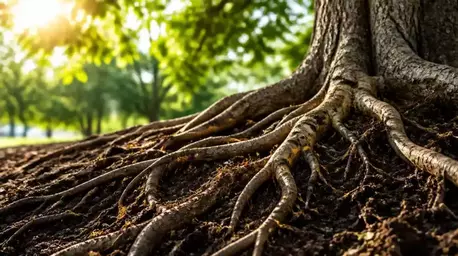
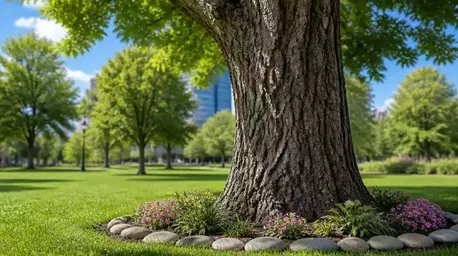
Proper tree placement allows for optimal growth and sunlight access, which is crucial for tree vitality.
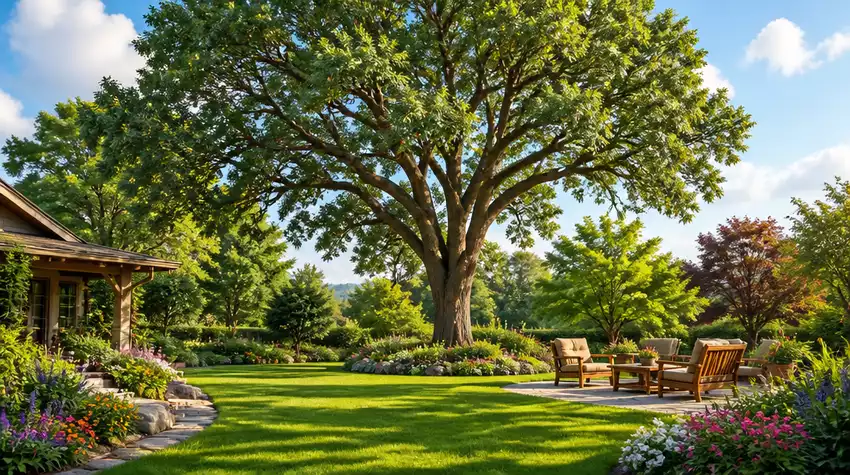
Native plants are adapted to local climates, requiring less water and helping to maintain ecological balance.
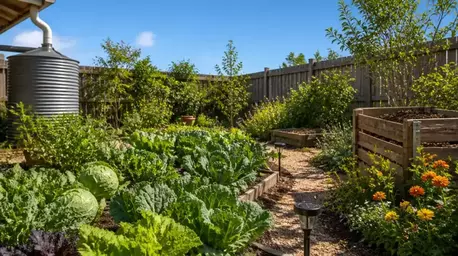
Incorporating organic mulches and efficient irrigation systems enhances tree health and conserves resources.
Regular soil testing and amendments are essential for ensuring optimal growth conditions for trees and plants.
Regular inspections and organic pest management strategies are vital for maintaining tree health and vitality.
Creating a tree-friendly outdoor space isn't just about planting trees; it's about fostering an environment where these magnificent living entities can thrive alongside other elements of your landscape. At Rooted Edge, I believe that integrating trees harmoniously into your outdoor design can significantly enhance both aesthetic appeal and ecological health. Let's delve into what it really means to cultivate a space that celebrates trees!
So, what exactly constitutes a tree-friendly space? A tree-friendly environment prioritizes the health of trees while ensuring they coexist beautifully with other landscape features. This means considering factors like sunlight, soil quality, and how human activities impact tree growth. A well-thought-out design respects the natural growth patterns of trees, allowing them to flourish and contribute positively to the ecosystem.
Some key characteristics of tree-friendly spaces include:
Trees are not just beautiful; they serve vital roles in any outdoor space. They provide shade, improve air quality, and create habitats for wildlife. Imagine relaxing in a cool, shaded area provided by a leafy oak while birds chirp nearby. That’s the beauty of a well-placed tree! For comprehensive guidance on maintaining tree health, explore our tree maintenance services.
Moreover, trees can:
To truly embrace a tree-friendly mindset, incorporating sustainable practices is essential. This means selecting materials that are environmentally friendly and using landscaping techniques that promote tree health. For example, choosing permeable paving can reduce runoff and allow water to reach tree roots effectively.
Some practices to consider include:
Native plants are the unsung heroes of a tree-friendly landscape. They are adapted to the local climate and soil conditions, making them more resilient and less resource-intensive. By incorporating native plants alongside your trees, you can create a vibrant ecosystem that supports local wildlife and reduces the need for pesticides.
Here’s why you should consider native plants:
In summary, understanding the concept of a tree-friendly outdoor space involves recognizing the vital role trees play in our ecosystems and employing practices that support their health. By embracing these ideas at Rooted Edge, we can create beautiful and sustainable outdoor environments that not only look good but are also good for the planet!
Did you know? Incorporating layers of mulch not only conserves moisture but also helps regulate soil temperature, creating a more stable environment for tree roots. Aim for a mulch layer of 2-4 inches around your trees, but avoid piling it against the trunk to prevent rot and pest issues.
Maintaining a tree-friendly outdoor space is an ongoing commitment that pays off beautifully. It’s essential to establish a routine that focuses on the health of your trees and the plants surrounding them. By adopting certain practices, you can ensure your landscape remains vibrant and sustainable throughout the seasons! To learn more about seasonal care, check out these year-round tree care tips.
First and foremost, understanding essential maintenance tips is key. Regularly checking the soil, watering appropriately, and pruning your trees can make a significant difference. Let’s explore some vital aspects that can help you maintain a flourishing outdoor environment.
Healthy trees require a bit of attention, especially when it comes to their companion plants. Consider these maintenance tips for ensuring both thrive:
By incorporating these practices, you not only enhance tree vitality but also create a balanced ecosystem. Remember, a well-cared-for landscape not only looks stunning but also contributes positively to the environment!
Soil is the foundation of your landscape, and understanding its chemistry is crucial. Different plants have different soil requirements, and ensuring you have the right balance can lead to outstanding growth. Soil testing can help you identify pH levels and nutrient content.
Here's a simple guide for optimizing your soil chemistry:
With the right soil conditions, your trees and companion plants can flourish, creating a lush, inviting outdoor space.
Keeping your trees healthy often means being vigilant about pests and diseases. Implementing effective management strategies can help prevent infestations and maintain tree vitality. Regular inspections and quick action can save you a lot of trouble!
Consider these effective strategies:
By staying proactive, you can protect your trees and ensure your outdoor space remains a healthy habitat.
Mulching is one of the simplest yet most effective ways to maintain your landscape. It helps to conserve moisture, suppress weeds, and improve soil health. As an arborist, I often emphasize the importance of selecting the right mulch type for enhancing your garden! For more details, explore the key benefits of mulching trees.
Here are some mulching techniques to consider:
Incorporating mulching techniques will significantly improve your tree's health and the overall beauty of your outdoor space!
Fertilizing doesn't have to mean using harsh chemicals. Instead, consider organic fertilizers that nourish your plants while being eco-friendly. These natural solutions can enhance soil quality and promote healthy growth.
Here are some organic options that can give your landscape a boost:
By choosing organic options, you’re not only fostering a sustainable garden but also protecting the health of your trees and the environment.
A: A tree-friendly outdoor space prioritizes tree health through thoughtful placement for optimal growth and sunlight, good soil quality, and minimal impact from human activities. It also incorporates native plants and sustainable landscaping practices.
A: Native plants are crucial because they are adapted to local climates and soil conditions, requiring less water and maintenance. They also support local wildlife, attract beneficial insects, and enhance the ecological balance of your garden.
A: Sustainable practices include using organic mulches to retain moisture and regulate soil temperature, implementing drip irrigation for efficient water use, practicing mindful pruning, and using permeable paving to reduce runoff and allow water to reach tree roots.
A: Soil chemistry is the foundation of plant growth. Understanding pH levels and nutrient content is vital. You can optimize it by conducting regular soil tests, amending the soil with organic matter like compost based on recommendations, and monitoring moisture levels to prevent over or under-watering.
A: Effective strategies include regular inspections to catch issues early, utilizing organic pesticides as a first line of defense, encouraging natural predators like ladybugs, and practicing crop rotation and diversity to break pest cycles. Proactive measures are key to maintaining tree vitality.
Here is a quick recap of the important points discussed in the article:
By Elena Whitmore / Sep 19
By Elena Whitmore / Sep 12
By Elena Whitmore / Sep 03