Eco-Friendly Landscaping Practices Explained
By Elena Whitmore / Sep 19
Did you know that strategically placing trees around your home can significantly reduce your energy bills while enhancing your outdoor experience? Trees do more than beautify spaces; they create comfort, protect health, and contribute to a sustainable environment. Join us as we delve into the multifaceted benefits of shade trees and their vital role in landscape planning.
Explore how the strategic placement of trees can enhance energy efficiency, improve comfort, and provide environmental benefits. For more insights on how to incorporate these natural elements into your property, consider designing landscapes with trees to maximize their impact.
Well-placed trees can reduce energy bills by minimizing air conditioning needs during hot months.
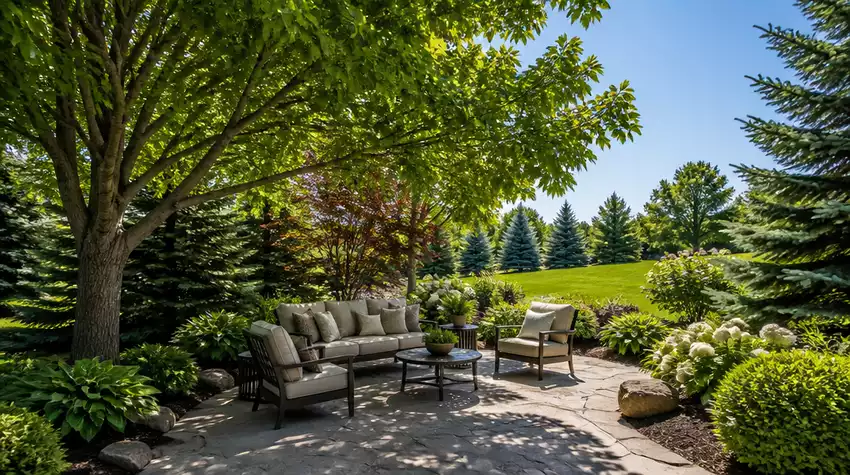
Shaded outdoor spaces are more enjoyable for relaxation and entertainment, enhancing your overall experience.
Shade trees significantly reduce exposure to harmful ultraviolet rays, promoting family health.
Shade trees improve air quality, conserve water, and support biodiversity while enhancing outdoor aesthetics.
When we think about our outdoor spaces, the role of trees often goes beyond mere aesthetics. Strategic tree placement can create natural shade, providing a sanctuary from the sun’s harsh rays. By understanding the importance of shade, we not only enhance our immediate surroundings but also contribute to a cooler, more comfortable home environment.
Shade from trees is more than just a reprieve from heat; it offers a host of benefits for both homes and outdoor spaces. Imagine enjoying a sunny day without the discomfort of intense heat—this is what well-placed trees can provide! From lowering energy costs to improving outdoor comfort, the benefits are undeniably significant.
Shade can be defined as the area where direct sunlight is blocked due to an object, primarily trees. This shaded area has a multitude of benefits that enhance our outdoor living experience. Here are some reasons why shade is essential:
At Rooted Edge, we understand that creating a balance between aesthetics and function is vital. Trees not only beautify a space, but they also serve practical purposes that can enhance the overall experience of your outdoor environment. For comprehensive guidance on maintaining these vital elements of your landscape, explore our tree maintenance services.
The placement of trees around your home significantly affects energy efficiency, particularly in the summer months. Trees that shade the roof, walls, and windows can substantially reduce heat gain. This means less energy is required to cool your home, which is not only good for your wallet but also great for the environment!
To optimize energy efficiency, consider these key points when placing trees:
By strategically placing trees, you can create a natural cooling system that works for you throughout the seasons. It's all about thoughtful planning!
The benefits of shade trees extend beyond individual homes, positively impacting the environment as well. These trees play a crucial role in improving air quality, conserving water, and supporting biodiversity. When we plant the right trees in the right places, we contribute to a healthier planet!
Here are a few environmental benefits of shade trees that are worth highlighting:
By integrating shade trees into our landscapes, we not only create comfortable spaces but also contribute to a vibrant and sustainable environment. At Rooted Edge, we believe in the power of trees to connect us with nature while enhancing our lives. For more on how to create an eco-friendly outdoor space, check out our guide on eco-friendly landscaping benefits for homeowners.
Here's a brief recap of the key points discussed so far:
When we think about planting trees, we often imagine their beauty and the shade they provide. However, have you considered the return on investment (ROI) they offer through cooling savings? Strategic tree placement can lead to significant savings on your energy bills by reducing the heat around your home. Let’s explore how you can estimate these energy savings effectively!
One of the most impactful ways shade trees contribute to energy efficiency is by shading roofs, walls, and even air conditioning units. Here’s a quick breakdown of the potential savings:
All these factors contribute to lower energy consumption, making your home more eco-friendly while saving money over time. By investing in the right trees, you not only enhance the aesthetics of your landscape but also contribute to a sustainable environment.
Understanding the payback period for your tree investment is crucial. Different tree species offer varying benefits, and their placement can also impact how quickly you see a return. Consider these factors:
By analyzing these aspects, you can choose trees that not only beautify your space but also serve as a strategic investment. As you plan your landscape, think about how each tree contributes to your home’s energy efficiency over time. It's one of the many ways Rooted Edge helps clients make informed choices for their outdoor environments!
Another exciting aspect of strategic tree placement is its effect on property value. Studies show that homes with well-placed shade trees can see a noticeable increase in their market value. Here are some key impacts to consider:
By choosing the right trees for your property, you not only create a beautiful outdoor space but also make a smart financial decision. At Rooted Edge, we believe that every tree planted is an investment in your home’s future! Learn more about how trees can boost curb appeal and overall property value.
Creating effective shade through tree placement requires thoughtful planning and execution. Here are some key takeaways to keep in mind:
By following these best practices, you can cultivate a shade-rich landscape that not only enhances your outdoor experience but also contributes to energy savings and increased property value!
As we strive to create more sustainable outdoor environments, incorporating shade trees into our landscaping plans can significantly help reduce heat. Some sustainable practices to consider include:
These practices not only support your trees but also contribute positively to the ecosystem, reflecting the mission of Rooted Edge in promoting eco-friendly landscaping solutions!
Urban forestry plays a vital role in maximizing shade creation in our communities. Trees in urban areas help mitigate the heat island effect, improve air quality, and enhance overall quality of life. By understanding the principles of urban forestry, you can contribute to a healthier environment. Some considerations include:
By embracing urban forestry principles, you're not only enhancing your property but also investing in the future of your community. Remember, every tree you plant with Rooted Edge is a step towards a more sustainable and beautiful world! For details on sustainable tree care, see our tips on sustainable tree care for homeowners.
A1: Trees strategically placed to shade your home's roof, walls, and windows can significantly reduce heat gain during warmer months. This lowers the demand for air conditioning, leading to reduced energy consumption and lower electricity bills.
A2: Deciduous trees are ideal for energy efficiency. They provide dense shade in the summer when their leaves are full, blocking sunlight and cooling your home. In winter, after their leaves fall, they allow sunlight to pass through, helping to warm your home naturally.
A3: Shade trees create cooler, more inviting outdoor spaces by blocking direct sunlight and reducing ambient temperatures. This makes patios, decks, and gardens more comfortable for relaxation, dining, and entertaining, even on hot days.
A4: Shade trees offer numerous environmental benefits, including carbon sequestration (absorbing CO2), improving air quality by filtering pollutants, conserving water by reducing evaporation, and providing essential habitats for wildlife, fostering biodiversity.
A5: Yes, well-placed shade trees can enhance property value. They improve a home's aesthetic appeal, making it more attractive to potential buyers. Additionally, the energy efficiency benefits they provide (lower cooling costs) are a significant selling point in today's market.
Now that you’ve learned about the importance of strategic tree placement, I invite you to share your own experiences! Have you planted shade trees? What benefits have you noticed? Engaging in this dialogue can inspire others in your community to follow suit.
To dive deeper into the world of shade optimization, check out these resources:
Together, we can cultivate beautiful and sustainable outdoor environments that enhance our lives and the world around us. Let’s nurture our trees and our community, one shade tree at a time!
Here is a quick recap of the important points discussed in the article:
By Elena Whitmore / Sep 19
By Elena Whitmore / Sep 12
By Elena Whitmore / Sep 03