Eco-Friendly Landscaping Practices Explained
By Elena Whitmore / Sep 19
What if your garden could be more than just a beautiful space? By embracing biodiversity, you can create a thriving ecosystem that benefits both wildlife and humans. Let’s explore the transformative power of biodiversity in our outdoor environments.
Understanding the multifaceted benefits of biodiversity is essential for creating thriving outdoor environments. Below are the core insights represented in a structured format.
A diverse range of plants provides food and shelter for various wildlife, creating a balanced ecosystem.
A variety of flowering plants attracts pollinators, which are crucial for garden flourishing.
Diverse plant species enhance soil nutrient levels and structure, promoting overall garden vitality.
Biodiverse gardens offer a captivating visual experience with a rich variety of colors and textures.
As someone deeply passionate about creating sustainable landscapes, I believe that biodiversity is the backbone of a healthy outdoor space. Biodiversity refers to the variety of life in a particular habitat, encompassing plants, animals, fungi, and microorganisms. When you design an outdoor space with biodiversity in mind, you're not only enhancing beauty but also fostering a thriving ecosystem that benefits both wildlife and humans alike.
So, what exactly does biodiversity do for our gardens? It helps maintain the balance of ecosystems, supports pollination, and improves soil health! By promoting a diverse range of species, we can create resilient landscapes that withstand pests, diseases, and changing climate conditions. At Rooted Edge, we emphasize the importance of integrating biodiversity into our designs, allowing for outdoor environments that are not just pleasing to the eye but also ecologically sound. Learn more about eco-friendly landscaping benefits for homeowners.
Biodiversity is more than a buzzword—it's essential for ecosystem functionality. It supports processes such as nutrient cycling, water purification, and even climate regulation. To put it simply, a rich variety of life forms contributes to a balanced environment where every species plays a unique role in maintaining harmony.
Consider this: without biodiversity, ecosystems can become fragile and prone to collapse. For example, if a single species dominates an area, it can lead to diminished soil quality and reduced plant variety. By fostering diversity, we ensure that our gardens—and the wildlife that inhabits them—thrive!
When we design gardens that prioritize biodiversity, we unlock a treasure trove of benefits for both wildlife and ourselves. Here are just a few advantages of embracing biodiversity in your outdoor space:
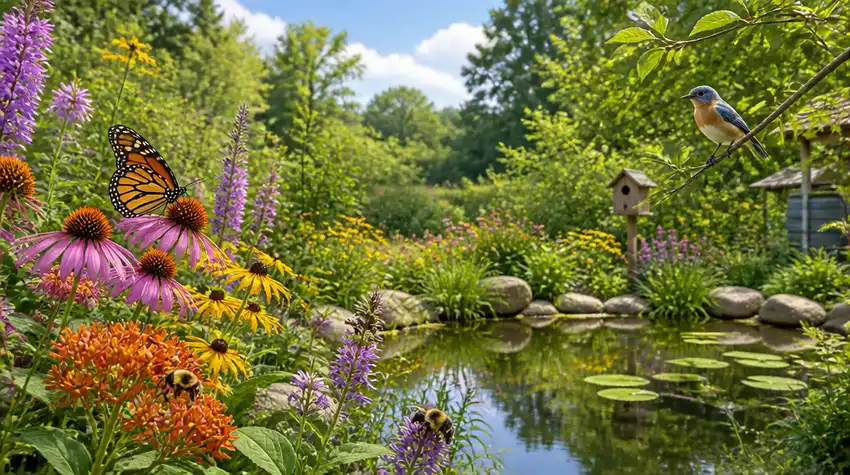
At Rooted Edge, we encourage our clients to embrace the beauty of biodiversity. Imagine stepping into your garden and being greeted by the cheerful buzz of bees, the flutter of butterflies, and the gentle rustle of leaves—all working together in a vibrant ecosystem. That’s the magic of designing with biodiversity in mind! To learn more about how to incorporate trees into your landscape design, check out our guide on designing landscapes with trees.
According to a study by the United Nations, the decline in biodiversity poses a significant risk to the health of ecosystems, affecting food security, water quality, and climate resilience. In fact, over 1 million species are currently at risk of extinction, underscoring the urgent need for biodiversity conservation in our landscapes.
Once you've created a biodiverse garden, it's essential to track its progress! Monitoring and measuring the success of your efforts will not only ensure that your garden thrives but also inspire others to join in this vital cause. I believe that understanding how biodiversity is flourishing in your space is key to long-term sustainability.
To effectively monitor biodiversity, I recommend establishing specific Key Performance Indicators (KPIs). These could include metrics such as the number of different species present, changes in populations over time, or even monitoring the health of your plants and wildlife. A structured monitoring framework will help you stay on track and make informed adjustments as needed.
Setting clear KPIs is a great way to make your biodiversity goals tangible. Think about what success looks like for you and your garden. Here are some potential KPIs to consider:
Implementing a monitoring framework can help you keep track of these metrics. Regular observations will not only help you spot trends but also allow you to adapt your strategies for better outcomes. Make it a routine to spend time in your garden, observing the changes, and enjoying the beauty of nature!
Before diving into your biodiversity journey, it’s wise to collect baseline data. This helps you understand the initial state of your outdoor space and provides a point of comparison for later assessments. By documenting this information, you can effectively showcase your garden's transformation!
Here are some ways to collect and use performance data:
Analyzing before and after data will provide you with insights into the effectiveness of your design strategies. It’s not just about the beauty of the garden but also about the ecological benefits that are coming to life!
Creating a biodiverse outdoor space doesn’t have to be a solo journey! Engaging with your community can enhance your efforts and inspire others to join in. I’ve found that sharing knowledge and resources can have a profound impact on local biodiversity initiatives.
Connecting with local organizations and professionals who share a passion for biodiversity can be incredibly beneficial. They often have valuable insights, and you might even discover partnerships that enrich your projects. It’s about creating a network of like-minded individuals committed to fostering healthy ecosystems! For additional care, consider learning about tree maintenance services.
Building relationships within your community can lead to fruitful collaborations. Here are some ways to connect:
These connections can provide support and resources that make your biodiversity design efforts even more impactful. Plus, it’s a wonderful way to meet new friends who share your love for nature!
The internet is a treasure trove of information and inspiration for biodiversity design! Whether it’s articles, videos, or case studies, there are countless resources available that can guide your journey. I often find myself browsing through different platforms to discover new ideas and approaches.
Here are some online resources worth exploring:
These resources can spark your creativity and help you refine your approach to designing a biodiverse garden. Keep an open mind and adapt the ideas you find to fit your unique space!
Community gardens are a wonderful way to unite neighbors and promote biodiversity. They serve as living classrooms where people can learn about sustainable practices, native plants, and wildlife habitats. If you have the opportunity, consider starting or joining a community garden project!
Here are some ways to get involved:
By fostering community involvement, you not only enhance biodiversity in your area but also create a sense of belonging among residents. Together, we can make a positive impact on our environment!
As we wrap up our journey into designing biodiverse outdoor spaces, it’s crucial to revisit the key insights that can guide our efforts. A well-planned garden that prioritizes biodiversity can yield remarkable benefits for both the environment and the community.
Let’s recap some essential points:
By embracing these practices, we can create outdoor spaces that not only beautify our surroundings but also nourish the very ecosystems we depend on. Remember, every little action counts towards a healthier environment!
As we design our gardens, let’s keep future generations in mind. Encouraging sustainable practices now will ensure that our efforts bear fruit for years to come. Consider how your garden can serve as a model for others and a space for learning.
Some sustainable practices to adopt include:
By sharing these practices with family and friends, we can foster a culture of sustainability that benefits everyone. Let’s cultivate a legacy of care for our planet!
The importance of biodiversity extends beyond beauty; it plays a vital role in providing essential ecosystem services. These services include pollination, water filtration, and climate regulation—elements that keep our environments healthy and functional.
Here are some key ecosystem services contributed by biodiversity:
Understanding these services can motivate us to protect and enhance biodiversity in our gardens. It’s not just about aesthetics; it’s about nurturing the systems that sustain us all!
Now that you're equipped with insights and strategies for designing a biodiverse space, it’s time to take action! At Rooted Edge, I encourage you to embrace your creativity and make meaningful changes to your outdoor environment.
Start by implementing some of the design strategies we've discussed. Remember, it’s perfectly fine to seek professional help if you feel overwhelmed. Collaborating with experts can bring your vision to life and ensure you’re on the right track! Explore more about tree care for sustainable landscapes to further enhance your efforts.
When you're ready to get started, consider these next steps:
As you move forward, remember that every step you take is valuable. Whether it’s planting a single native flower or creating a full-fledged garden, your efforts contribute to a healthier ecosystem!
Don’t forget to share your journey with others! Inviting feedback can provide new perspectives and strengthen your commitment to biodiversity. Plus, sharing your experiences can inspire other homeowners and gardeners to take action too!
Consider these ways to engage your community:
Engaging with others can create a ripple effect, spreading awareness and inspiring more people to focus on biodiversity in their spaces. Let’s create a community of nature lovers together!
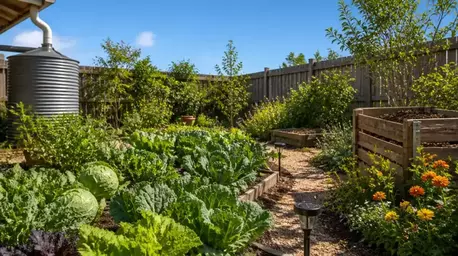
Finally, consider the benefits of incorporating edible landscapes into your biodiversity garden! Not only do they provide delicious produce, but they also support local wildlife and contribute to your overall garden health. Organic gardening practices can enhance soil quality and promote biodiversity as well.
Here are some edible landscape ideas:
Exploring edible landscapes can add a new dimension to your garden while supporting the ecosystem. It’s a win-win for both you and the environment!
Here is a quick recap of the important points discussed in the article:
By Elena Whitmore / Sep 19
By Elena Whitmore / Sep 12
By Elena Whitmore / Sep 03