Eco-Friendly Landscaping Practices Explained
By Elena Whitmore / Sep 19
Did you know that integrating trees into your garden design can not only enhance its beauty but also promote ecological health? Tree-driven design patterns focus on harmonizing landscapes with natural elements, creating vibrant ecosystems that benefit both nature and humanity.
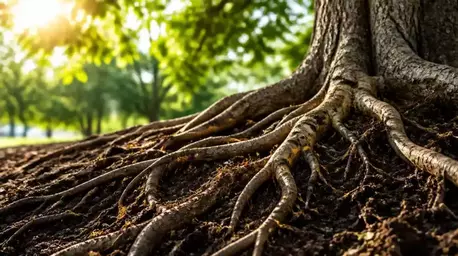
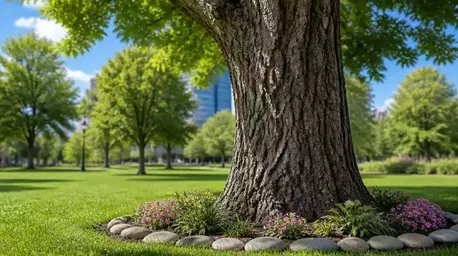
The integration of trees in garden design brings numerous benefits that enhance both the aesthetics and health of outdoor spaces. Below are some key aspects visualized for clarity. For more insights into creating stunning outdoor environments, explore designing landscapes with trees.
Trees provide shade, beauty, and a habitat for wildlife, elevating the garden's purpose.
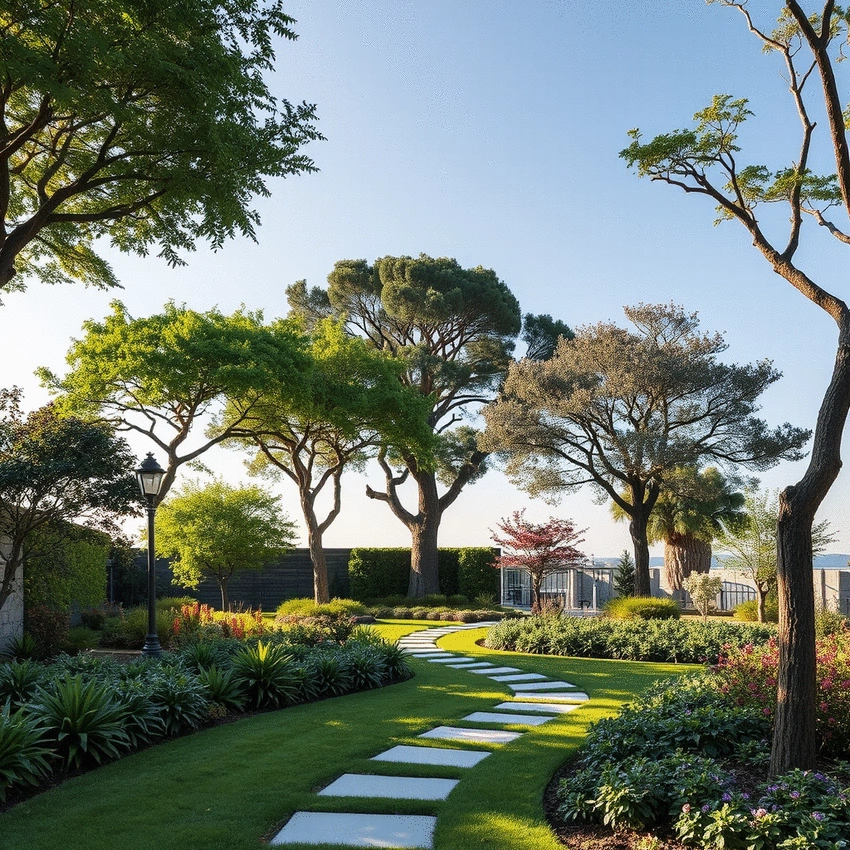
Well-placed trees can balance design elements, leading the eye and creating focal points.
Different tree species offer diverse colors and textures throughout the year, adding visual variety.
Trees offer homes and food sources for various birds and insects, encouraging biodiversity.
Have you ever thought about how trees can shape the beauty and functionality of your garden? Tree-driven design patterns focus on integrating trees into the overall landscape, creating spaces that are not only visually appealing but also ecologically beneficial. At Rooted Edge, we believe that understanding these patterns can transform ordinary gardens into vibrant ecosystems that resonate with nature.
Tree-centric landscaping is all about placing trees at the heart of garden design. By carefully selecting tree species and considering their growth habits, we can create harmonious spaces that reflect the natural world. This approach emphasizes the importance of trees in defining the structure and aesthetics of modern gardens, allowing for a richer experience in our outdoor environments.
Tree-driven design patterns involve a thoughtful integration of trees within a landscape. This means considering how trees interact with other elements, such as paths, flower beds, and hardscapes. By doing so, we can enhance the overall garden experience and create spaces that feel inviting and alive, especially when considering tree care around hardscapes.
By embracing these concepts, we can cultivate gardens that not only look beautiful but also support local wildlife and ecosystems. Here are some crucial aspects to grasp about tree-driven designs:
At its core, tree-centric landscaping centers around the understanding that trees are not mere accessories but vital components of a garden. They define spaces, provide habitats, and contribute to the overall health of our outdoor environments. As an arborist, I’ve seen firsthand how a well-placed tree can elevate a landscape, turning it into a sanctuary for both humans and wildlife.
Moreover, incorporating trees thoughtfully allows us to harness their natural growth patterns, creating designs that feel organic and cohesive. Imagine walking through a garden where the trees guide your journey, much like a well-designed pathway. This fusion of nature and design is what tree-driven patterns aim to achieve!
In modern garden design, the role of trees cannot be overstated. They serve multiple purposes beyond just aesthetics. Here are a few reasons why trees are essential in contemporary landscapes:
By incorporating trees into garden designs, we not only enhance their beauty but also foster a thriving ecosystem that benefits both people and wildlife. It's a win-win situation where aesthetics meet functionality! Let’s explore how we can select the right tree species to make these concepts come to life in your garden.
Did you know? When selecting trees for your garden, consider not only their aesthetic appeal but also their growth habits and environmental benefits. Choosing native species can significantly enhance biodiversity, reduce maintenance, and create a more resilient garden ecosystem. Native trees are adapted to local conditions, making them easier to care for while supporting local wildlife.
Engaging with tree-driven design patterns can truly transform your outdoor spaces! At Rooted Edge, I am passionate about helping homeowners understand the beauty and benefits of integrating trees into their gardens. To kick things off, let’s explore some common questions and misconceptions surrounding tree-centric landscaping.
Many people have queries about which trees to choose and how to effectively incorporate them into their garden design. Here are some of the frequently asked questions that I encounter:
Addressing these questions can pave the way for a more fulfilling gardening experience. Remember, the right tree can not only beautify your space but also offer ecological benefits! For comprehensive guidance on tree care, consider our professional tree maintenance services.
When starting out, it’s easy to feel overwhelmed by choices. One common question I hear is about the importance of selecting native species. Native trees support local wildlife and require less maintenance! Here are a few more common inquiries:
Understanding these aspects can help you make informed decisions that enhance both beauty and function in your garden.
Many people believe that tree-driven designs are only for large spaces, which is simply not true! Even small gardens can benefit from thoughtful tree placement. One common misconception is that trees require too much water; however, selecting the right species can minimize this need. Here’s a quick look at some misconceptions:
As I often tell my clients, with the right guidance and knowledge, anyone can create a stunning and sustainable garden space!
Are you ready to embark on your journey into tree-driven gardening? At Rooted Edge, I believe that every garden has the potential to be a beautiful, functional haven! Here’s how to start:
Consulting with a landscape professional can be a game changer! They can provide tailored advice and help you select the right trees and plants for your specific environment. Here are a few steps to consider when seeking professional guidance:
Taking this step can lead to beautiful results and a thriving outdoor space!
There is a wealth of resources available to deepen your understanding of tree-centric landscaping. I recommend checking out books, online courses, and local workshops. Here are some great starting points:
These resources can inspire you and provide you with the knowledge needed to create your dream garden.
Embracing tree-driven design patterns can lead to a more sustainable and visually appealing garden. Remember, it’s about creating a space that resonates with you and supports the environment. If you’re ready to dive in, I’m here to help guide you along the way! Together, we can cultivate spaces that not only look good but also thrive harmoniously with nature. For more information on maintaining tree health and proper care, check out sustainable tree care for homeowners.
Here is a quick recap of the important points discussed in the article:
By Elena Whitmore / Sep 19
By Elena Whitmore / Sep 12
By Elena Whitmore / Sep 03