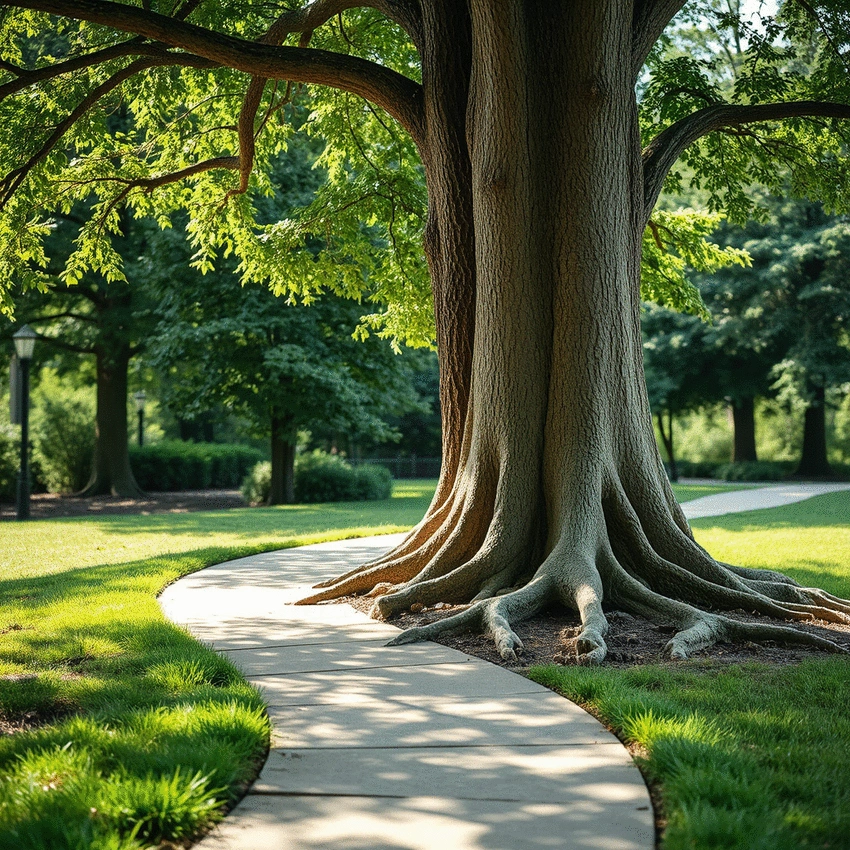
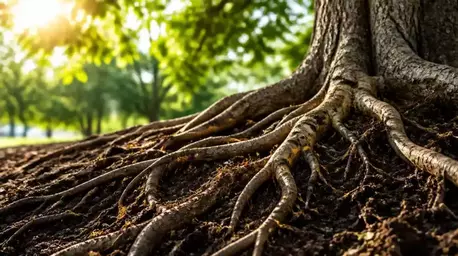
Consider this: the unseen networks of tree roots beneath our feet significantly influence the health of our urban landscapes. Understanding these root systems is crucial for sustainable pathway design, ensuring that our outdoor spaces thrive in harmony with nature.
What You Will Learn
Tree roots play a vital role in urban ecosystems by stabilizing soil, managing water, and creating habitats for wildlife.
Pathway construction can negatively impact tree health through soil compaction, root cutting, and drainage issues, necessitating careful planning.
Utilizing elevated structures, root barriers, and permeable paving can protect tree roots while ensuring functional pathways.
Regular maintenance and monitoring of tree health, including annual assessments and soil quality checks, are essential for long-term landscape vitality.
Incorporating community feedback in the design process fosters sustainable practices and enhances the connection between people and nature.
Promoting biodiversity and utilizing green infrastructure can help create resilient urban landscapes that adapt to environmental changes.
Key Roles of Tree Roots in Urban Ecosystems
Tree roots are crucial for maintaining healthy urban environments. Below is a visual representation of their key roles and the impact of pathway construction on tree health.
Key Roles of Tree Roots
Soil Stabilization: Prevents erosion and maintains landscape integrity.
Water Management: Absorbs and filters rainwater, reducing runoff.
Habitat Creation: Provides shelter for wildlife, enhancing urban biodiversity.
Impact of Pathway Construction
Soil Compaction: Limits access to oxygen and water.
Root Cutting: Destabilizes trees and increases disease susceptibility.
Water Drainage Issues: Causes harmful water pooling or drying out.
Understanding the Importance of Tree Root Systems in Pathway Design
As we plan outdoor spaces, it's vital to recognize how integral tree root systems are to our environment. These roots are not just anchors for trees; they play a crucial role in the overall health of urban ecosystems. At Rooted Edge, we emphasize that understanding these systems helps us design pathways that coexist harmoniously with nature, ensuring both aesthetics and ecological health. For more insights on blending functionality with natural elements, explore our guide on hardscape and tree care integration.
Tree roots contribute to soil stability, water absorption, and habitat creation for various organisms. They interact with the surrounding environment, affecting everything from moisture retention to nutrient cycling. By appreciating the complexity of root systems, we can learn to design pathways that respect and protect these essential elements.
Recognizing the Role of Tree Roots in Urban Ecosystems
Tree roots are like the hidden heroes of our urban environments. They form a network beneath our feet that supports tree growth and contributes to the overall vitality of our green spaces. Here are some key roles they play in urban ecosystems:
Soil Stabilization: Roots help hold soil in place, preventing erosion and maintaining the integrity of landscapes.
Water Management: Tree roots absorb and filter rainwater, reducing runoff and promoting groundwater recharge.
Habitat Creation: They provide shelter and food for various wildlife species, enhancing urban biodiversity.
By understanding these roles, we can create designs that not only accommodate pathways but also enhance the health and longevity of our trees. Integrating this knowledge into our planning is a cornerstone of what we do at Rooted Edge. To ensure your trees thrive, consider our tree maintenance services.
Impact of Pathway Construction on Tree Health
When constructing pathways, we must consider the significant impact this can have on tree health. Poorly designed pathways can lead to root damage, compaction, and even tree decline. Here are some common issues to keep in mind:
Soil Compaction: Heavy equipment and foot traffic can compact the soil, limiting oxygen and water access to roots.
Root Cutting: Cutting through roots during construction can destabilize trees and make them susceptible to disease.
Water Drainage Issues: Improper drainage from pathways can lead to water pooling or drying out, both harmful to tree health.
To mitigate these impacts, it’s essential to adopt practices that prioritize tree care. By strategically planning the placement of pathways, we can create designs that protect and preserve our urban forests while enhancing the user experience.
Pro Tip
Did you know? When designing pathways, consider using root-friendly materials such as porous asphalt or gravel. These materials not only allow water and nutrients to reach the roots but also minimize soil compaction, giving trees the best chance to thrive in urban settings.
Summarizing Key Insights on Pathway Design and Tree Root Systems
As we wrap up our exploration of pathway design intertwined with tree root systems, it's vital to highlight some effective strategies we've discussed. By recognizing the importance of tree roots in urban ecosystems, we can create pathways that not only enhance accessibility but also protect the vitality of our trees. At Rooted Edge, we believe that thoughtful design fosters harmony between your outdoor spaces and the natural world!
Here are a few key strategies and materials to keep in mind for sustainable pathways:
Utilizing elevated structures to protect critical root zones.
Incorporating root barriers to prevent damage.
Choosing permeable paving materials that support soil health.
Regularly monitoring and maintaining tree health to ensure longevity.
Recapping Effective Strategies and Materials for Sustainable Pathways
In our discussions, we've delved into various materials, from concrete and steel to innovative solutions like Silva Cell systems. Each material offers unique benefits depending on the specific needs of the site and the trees involved. For instance, permeable pavements allow water and nutrients to reach tree roots while minimizing soil compaction—a crucial factor for root growth! Discover more about smart root management for hardscaped areas.
Here’s a quick recap of key materials and techniques:
Root Barriers: Help prevent roots from damaging pathways.
Permeable Pavement: Enhances stormwater management and soil health.
Importance of Ongoing Maintenance and Monitoring for Tree Health
Regular maintenance is just as important as the initial design. Ensuring the health of your trees can lead to resilient landscapes that thrive over time. Routine assessments can catch potential issues early and allow for proactive interventions! Don't forget that trees, much like any other living element in your landscape, require care and attention.
To enhance tree health and overall landscape vitality, consider these maintenance tips:
Conduct annual assessments of tree health.
Monitor soil quality and compaction regularly.
Provide adequate irrigation during dry spells.
Frequently Asked Questions About Pathway Design and Tree Roots
Q: Why are tree roots important in urban environments?
A: Tree roots are crucial for soil stabilization, preventing erosion, managing water by absorbing and filtering rainwater, and creating habitats for wildlife, thus enhancing urban biodiversity.
Q: How can pathway construction negatively impact tree health?
A: Poorly designed pathways can lead to soil compaction, limiting oxygen and water access to roots; root cutting, which destabilizes trees and increases disease susceptibility; and water drainage issues, causing harmful pooling or drying out.
Q: What are some sustainable strategies for pathway design near trees?
A: Sustainable strategies include using elevated structures to protect critical root zones, incorporating root barriers to prevent damage, and choosing permeable paving materials that support soil health by allowing water and nutrients to reach roots.
Q: What specific materials are recommended for root-friendly pathways?
A: Root-friendly materials include porous asphalt, gravel, Silva Cell systems (which promote healthy root growth), and permeable pavements that enhance stormwater management and soil health.
Q: How important is ongoing maintenance for trees near pathways?
A: Regular maintenance is vital. It includes annual assessments of tree health, monitoring soil quality and compaction, and providing adequate irrigation during dry spells to ensure the longevity and vitality of urban trees.
Encouraging Sustainable Practices in Landscape Design
At Rooted Edge, we’re passionate about fostering sustainable practices in landscape design. Encouraging community involvement and gathering feedback can lead to innovative solutions that respect both the environment and the needs of the people who use the space. Plus, when we work together, we can create outdoor spaces that truly resonate with our shared values!
Incorporating Community Feedback and Environmental Considerations
Involving the community in the design process not only strengthens relationships but also ensures the landscape meets the needs of its users. Local input can help identify the best practices that promote sustainable landscapes, enhancing the connection between people and nature. For further reading on creating beautiful and functional spaces, check out our insights on designing landscapes with trees.
Here are a few ways to incorporate community feedback:
Host community workshops focused on landscape design.
Create surveys to gather insights on preferences.
Engage local experts to facilitate discussions on environmental impact.
Call to Action: Engage with Local Experts for Customized Solutions
Ready to embark on your pathway design journey? Don’t hesitate to connect with local experts! Consulting knowledgeable professionals can help tailor solutions that align with your vision while ensuring the health of your trees and the broader landscape. Together, we can cultivate spaces that thrive for generations to come.
Promoting Biodiversity and Urban Resilience through Green Infrastructure
Finally, let’s embrace the potential of green infrastructure! By promoting biodiversity through strategic planting and sustainable practices, we can create resilient landscapes that adapt to changing conditions. Think of planting native species that support local wildlife and enhancing urban spaces with thoughtful design that respects our valuable tree populations.
Here’s how we can foster urban resilience:
Plant native species that support local ecosystems.
Design landscapes that can withstand climate changes.
Utilize green infrastructure to manage stormwater effectively.
Recap of Key Points
Here is a quick recap of the important points discussed in the article:
Tree Root Functions: Tree roots play a vital role in soil stabilization, water management, and habitat creation, essential for urban ecosystems.
Pathway Construction Impact: Poorly designed pathways can cause soil compaction, root damage, and water drainage issues, negatively affecting tree health.
Sustainable Design Practices: Utilize elevated structures, root barriers, and permeable paving materials to protect tree root systems during pathway construction.
Ongoing Maintenance: Regular assessments of tree health, soil quality, and adequate irrigation are crucial for maintaining healthy urban landscapes.
Community Engagement: Involve local communities in the design process through workshops and surveys to ensure the landscape meets user needs and promotes sustainability.
Promoting Biodiversity: Incorporate native species and green infrastructure to enhance urban resilience and support local ecosystems.