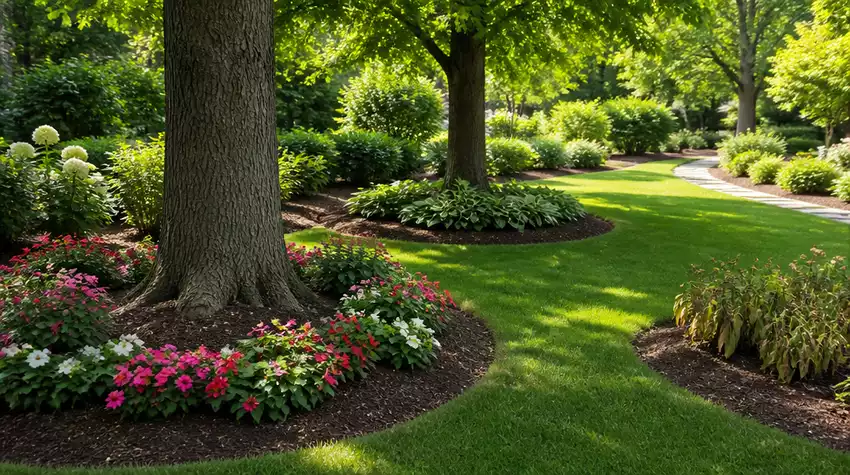
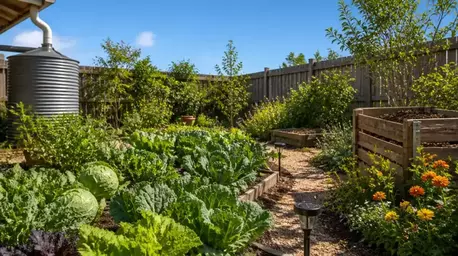
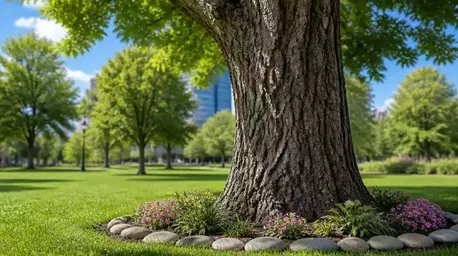
Creating a vibrant outdoor space requires more than just aesthetics; it demands an understanding of the intricate relationship between landscaping and tree health. As we work to design our dream landscapes, it's crucial to remember that our choices can have profound implications on the longevity and vitality of the trees that grace our yards.
What You Will Learn
The significance of root protection and the impact of landscaping decisions on tree health.
Common landscaping mistakes that can harm trees, including planting too close and ignoring root zones.
Best practices for avoiding root damage, such as regular visual inspections and soil testing.
The importance of seasonal adjustments in irrigation and care to support tree health throughout the year.
Effective pest management and disease prevention strategies to protect your trees and landscape.
How to create a comprehensive tree-safe landscaping plan that promotes both beauty and environmental health.
Key Considerations for Tree Health in Landscaping
Understanding the impact of landscaping choices is crucial for maintaining tree health. For more detailed insights into creating harmonious outdoor designs, explore our guide on designing landscapes with trees.
Root Protection
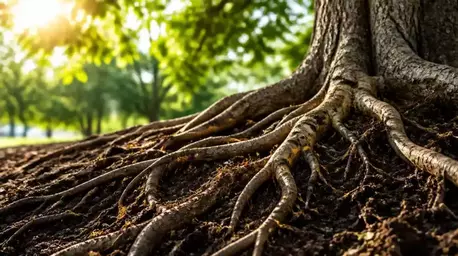
Roots are essential for stability and nutrients; damaging them can harm tree health.
Water Access
Proper landscaping ensures trees have adequate access to water and nutrients.
Microclimate Impact
Choosing the right species and materials helps maintain a favorable microclimate for tree growth.
Common Mistakes
Planting too close to trees.
Ignoring root zones.
Using heavy materials that compress soil.
Understanding the Risks of Landscaping Near Trees
When it comes to landscaping, the choices we make can significantly affect the health and longevity of our beloved trees. Trees are not just beautiful additions to our yards; they play a vital role in our ecosystem. At Rooted Edge, we emphasize the importance of informed landscaping decisions that prioritize tree health to ensure these natural wonders thrive alongside our outdoor designs.
Neglecting tree care during landscaping can lead to stress, disease, and even death for these magnificent beings. By understanding their needs and the impact our choices have, we can create beautiful spaces that benefit both the landscape and the environment. So, let's dive deeper into why landscaping choices matter greatly for our trees!
Why Landscaping Choices Matter for Tree Health
In landscaping, every decision—from plant selection to soil management—can influence tree health. Healthy trees contribute beauty, shade, and habitat for wildlife, making thoughtful choices essential. Here are some crucial reasons to consider when landscaping near trees:
Root Protection: Roots are the lifeblood of trees, providing stability and nutrients. Landscaping choices can inadvertently damage root systems.
Water Access: Trees need access to water and nutrients, which can be hindered by inappropriate landscaping practices.
Microclimate Impact: The wrong plant species or materials can alter the microclimate around trees, affecting their growth and resilience.
At Rooted Edge, we believe that making informed choices leads to healthier trees and, ultimately, more beautiful landscapes. Each decision we make should harmonize with the surrounding environment, fostering a thriving ecosystem. For more information on maintaining a healthy foundation, consider these root damage prevention tips for foundations.
Common Mistakes When Designing Around Trees
It's easy to overlook tree health when creating our dream landscapes. However, a few common mistakes can have lasting impacts on our trees. Here are some pitfalls to avoid:
Planting Too Close: Placing plants too close to trees can lead to competition for resources, ultimately harming both.
Ignoring Root Zones: Failing to consider tree root zones can result in excavation that damages roots.
Using Heavy Materials: Installing heavy hardscapes can compress soil and suffocate roots.
By being aware of these mistakes, we can create landscapes that not only look good but also prioritize the health of our trees. Remember, a thriving tree means a thriving outdoor space!
Avoiding Root Damage: Best Practices
Now that we understand the risks of landscaping near trees, let’s explore some best practices to avoid root damage. This knowledge can be crucial in ensuring that our trees continue to flourish.
Pro Tip
Did you know? One of the best ways to ensure the health of your trees during landscaping is to use native plants in your designs. Native plants are adapted to the local environment, requiring less water and maintenance, and they coexist more harmoniously with local trees, reducing competition for resources.
Long-Term Maintenance for a Healthy Landscape
Maintaining a healthy landscape isn’t just about planting trees and shrubs; it involves a commitment to ongoing care, especially regarding the roots that support these beautiful structures. At Rooted Edge, we believe that regular monitoring and maintenance are crucial for the vitality of your trees. By implementing a root monitoring system, you can safeguard the health of your landscape and enjoy the beauty of your outdoor space for years to come! For comprehensive assistance, our tree maintenance services offer expert care.
Implementing a Root Monitoring System
Monitoring tree roots is essential for understanding their health and growth patterns. Regular checks can help identify potential issues before they escalate, ensuring your trees continue to thrive. Here are some practical steps to set up a root monitoring system:
Visual Inspections: Regularly inspect the area around your trees for signs of stress, such as wilting leaves or unusual growth patterns.
Soil Tests: Conduct soil tests at different depths to check moisture levels and nutrient availability.
Root Zone Awareness: Mark the root zones to avoid accidental damage during maintenance or landscaping projects.
By keeping an eye on your tree roots, you can proactively manage their health and enhance the longevity of your landscape. It’s all about creating a sustainable relationship with nature!
Seasonal Adjustments for Irrigation and Care
Just like we adapt to changing seasons, our trees need tailored care to thrive throughout the year. Seasonal adjustments in irrigation and maintenance practices can make a significant difference in tree health. Here are some tips to consider:
Spring: Increase watering as the soil warms up, and consider fertilizing to support new growth.
Summer: Ensure regular deep watering, especially during dry spells, to promote strong root systems.
Fall: Reduce watering as trees prepare for dormancy, and apply mulch to retain moisture and protect roots.
Winter: Monitor for any signs of damage from frost and ensure trees are adequately hydrated before the ground freezes.
By adjusting your care routines based on the seasons, you provide your trees with the best possible environment to flourish!
Pest Management and Disease Prevention in Landscapes
Protecting your trees from pests and diseases is vital for a thriving landscape. Implementing effective pest management and prevention strategies can help ensure your trees remain healthy and vibrant. Here are some methods to consider:
Regular Inspections: Frequently check your trees for signs of pests or diseases, such as holes in leaves or unusual growths.
Natural Remedies: Use organic pesticides or insecticidal soaps to minimize chemical exposure.
Encourage Beneficial Insects: Attract ladybugs and lacewings that help keep pest populations in check.
Proper Pruning: Maintain good airflow through trees to reduce the risk of fungal diseases.
By staying vigilant and taking proactive measures, you can preserve the health of your trees and enhance the beauty of your landscape. For further insights on integrating hardscape with green spaces, read about merging hardscape and green spaces.
Conclusion: Crafting a Tree-Safe Landscaping Plan
Creating a tree-safe landscaping plan is a rewarding journey that combines knowledge, care, and respect for nature. It’s about ensuring that your trees not only survive but thrive in harmony with your outdoor space. If you’re unsure where to start, here’s a quick checklist to help you along the way:
Conduct soil tests and monitor root health.
Adjust irrigation practices according to the season.
Inspect regularly for pests and diseases.
Consult with experts for complex landscaping decisions!
At Rooted Edge, we encourage you to seek the expertise of arborists and landscaping professionals for guidance on more intricate projects around trees. Working together, we can cultivate stunning outdoor spaces that are not only beautiful but also environmentally friendly!
Recap of Key Points
Here is a quick recap of the important points discussed in the article:
Prioritize Tree Health: Make informed landscaping decisions that support the health and longevity of trees.
Avoid Common Mistakes: Be mindful of planting too close to trees, ignoring root zones, and using heavy materials that can damage roots.
Implement a Root Monitoring System: Conduct visual inspections, soil tests, and maintain awareness of root zones to prevent damage.
Seasonal Care Adjustments: Tailor irrigation and maintenance practices seasonally to support tree health throughout the year.
Pest and Disease Management: Regularly inspect trees, use natural remedies, and encourage beneficial insects to protect against pests and diseases.
Consult Experts: Seek advice from arborists and landscaping professionals for complex landscaping decisions to ensure trees thrive alongside your designs.
Frequently Asked Questions (FAQs)
Q: Why is root protection important in landscaping?
A: Roots are crucial for a tree's stability and nutrient absorption. Damaging them can severely compromise the tree's health and longevity.
Q: What are common landscaping mistakes that can harm trees?
A: Common mistakes include planting other vegetation too close to trees, ignoring a tree's root zone during excavation, and using heavy materials that compact the soil and suffocate roots.
Q: How can I prevent root damage when landscaping?
A: Best practices include regular visual inspections of the area around trees, conducting soil tests to monitor moisture and nutrient levels, and marking root zones to avoid accidental damage.
Q: How do seasonal adjustments impact tree care?
A: Tailoring irrigation and care practices to each season ensures trees receive optimal water and nutrients. For example, increasing water in spring, deep watering in summer, reducing water in fall, and monitoring for frost damage in winter help trees thrive year-round.
Q: What are effective strategies for pest and disease prevention in landscapes?
A: Regular inspections for signs of pests or disease, using natural remedies like organic pesticides, encouraging beneficial insects, and proper pruning to improve airflow are effective prevention strategies.
Q: When should I consult with an expert for tree-safe landscaping?
A: It is advisable to consult with arborists and landscaping professionals for complex landscaping projects, especially those involving significant modifications near trees, to ensure both beauty and environmental health.