Eco-Friendly Landscaping Practices Explained
By Elena Whitmore / Sep 19
Did you know that a well-planned softscape can significantly enhance both the beauty and ecological health of tree-rich environments? Understanding the nuances of softscape design can transform your outdoor spaces into flourishing ecosystems. Let’s explore the essential takeaways that will guide you on this journey.
Explore the essential elements contributing to effective softscape design in tree-rich environments.
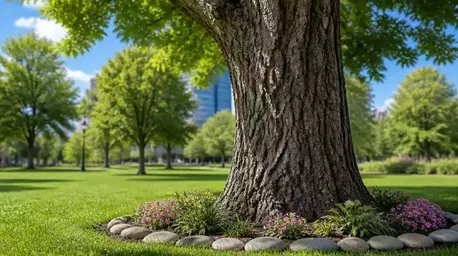
Beautiful plantings can soften hard edges of buildings and structures, creating inviting spaces.
A diverse range of plants provides food and shelter for various wildlife, enhancing ecological balance.
Plants absorb carbon dioxide and release oxygen, significantly improving overall air quality in the environment.
Planting around trees poses challenges such as limited sunlight and soil compaction, requiring strategic planning.
When we think about outdoor spaces filled with trees, the role of softscape design often comes to mind. Softscape focuses on the living elements in a landscape, including plants, flowers, and soil. It's vital for enhancing the beauty and ecological balance of tree-rich environments, making our yards not just look pretty but also feel inviting! For more insights into creating beautiful and functional landscapes, consider exploring designing landscapes with trees.
At Rooted Edge, I firmly believe that a well-thought-out softscape contributes significantly to a landscape's health. Trees not only provide shade but also offer a habitat for various wildlife. Therefore, understanding how to design around these majestic beings helps create spaces that are both functional and visually stunning.
Softscape plays a critical role in both urban and natural settings. In the city, it can transform a concrete jungle into a welcoming environment. Conversely, in natural landscapes, it supports biodiversity and maintains the ecosystem's health.
Here are some reasons why softscape is essential:
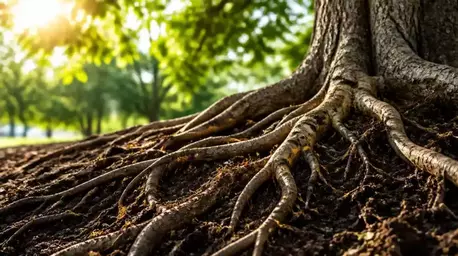
Planting around trees can be tricky, but it’s not impossible! The main challenge lies in the tree roots, which can be extensive and sensitive. Disturbing them can harm the tree, making proper planning crucial. You can learn more about tree care around hardscapes to avoid potential damage during planting.
Some common challenges include:
Yet, with the right strategies, it’s entirely possible to create beautiful softscapes around trees. I look forward to exploring essential plant types that can thrive in these conditions in the next section!
To create a thriving softscape around trees, consider using mycorrhizal fungi. These beneficial organisms form symbiotic relationships with tree roots, enhancing nutrient absorption and promoting healthier plant growth. By incorporating plants that attract these fungi, you can create a more balanced ecosystem in your landscape.
As we wrap up our exploration of softscape design in tree-rich environments, it’s essential to highlight some key takeaways that can guide your journey. First, understanding the unique interactions between trees and plants is crucial for creating a harmonious landscape. By selecting the right types of plants, you can ensure that your garden not only thrives but also complements the majestic trees that provide shade and character.
Choosing plants that are well-suited for your specific landscape conditions will make a significant difference. Remember to consider factors such as soil type, moisture levels, and sunlight availability. This thoughtful approach will ultimately lead to a vibrant, sustainable outdoor space that reflects both your aesthetic preferences and the ecological principles we cherish at Rooted Edge. For those interested in maintaining the health of their trees, exploring tree maintenance services can provide valuable assistance.
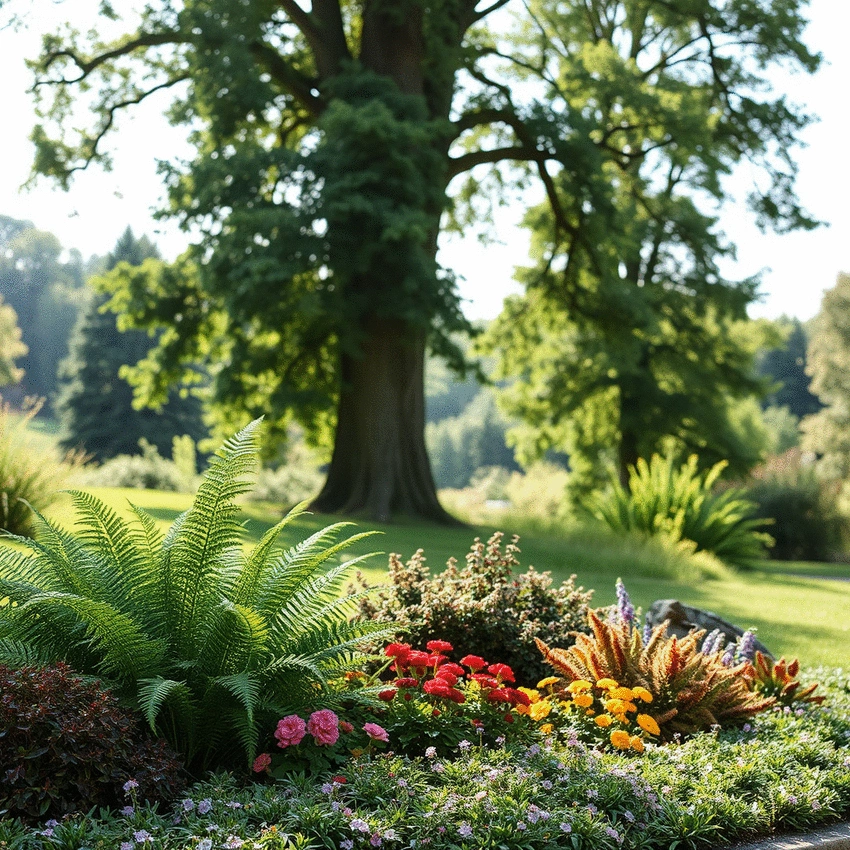
When selecting plants for your softscape, it’s important to focus on those that will thrive alongside your trees. Here’s a quick list to help you identify suitable plant options:
By considering these options, you can better tailor your plant selection to improve both the beauty and functionality of your landscape. At Rooted Edge, we emphasize the importance of plant diversity, ensuring your garden remains visually engaging throughout the seasons.
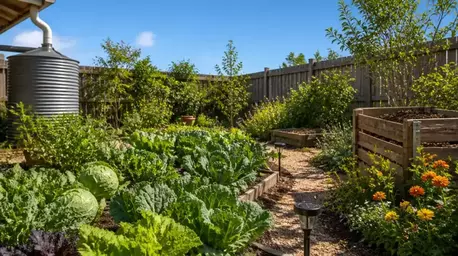
Sustainable softscape design is not just about aesthetics; it’s about creating a balanced ecosystem that supports both flora and fauna. When planning your landscape, think about integrating elements that conserve water and promote biodiversity. This can be achieved through thoughtful plant selection, mulching, and soil amendments, which support healthy ecosystems.
Incorporating these sustainable practices not only beautifies your space but also fosters a healthier environment. As you embark on your landscaping journey, let the principles of eco-friendliness, respect for nature, and creativity guide you. Together, we can create outdoor spaces that are both stunning and sustainable!
For those eager to dive deeper into softscape design, I invite you to explore our resources tailored to your tree-rich environments. At Rooted Edge, we're dedicated to empowering you with the tools you need to succeed!
To make your planting process even smoother, we’re excited to offer a downloadable planting checklist. This handy guide will help you keep track of the best plants suited for your landscape conditions, ensuring a thriving garden.
Additionally, check out our interactive plant table on the website! This tool allows you to search for plants based on specific criteria, ensuring you find the perfect fit for your unique environment. Let’s take your softscape design to the next level!
Here is a quick recap of the important points discussed in the article:
By Elena Whitmore / Sep 19
By Elena Whitmore / Sep 12
By Elena Whitmore / Sep 03